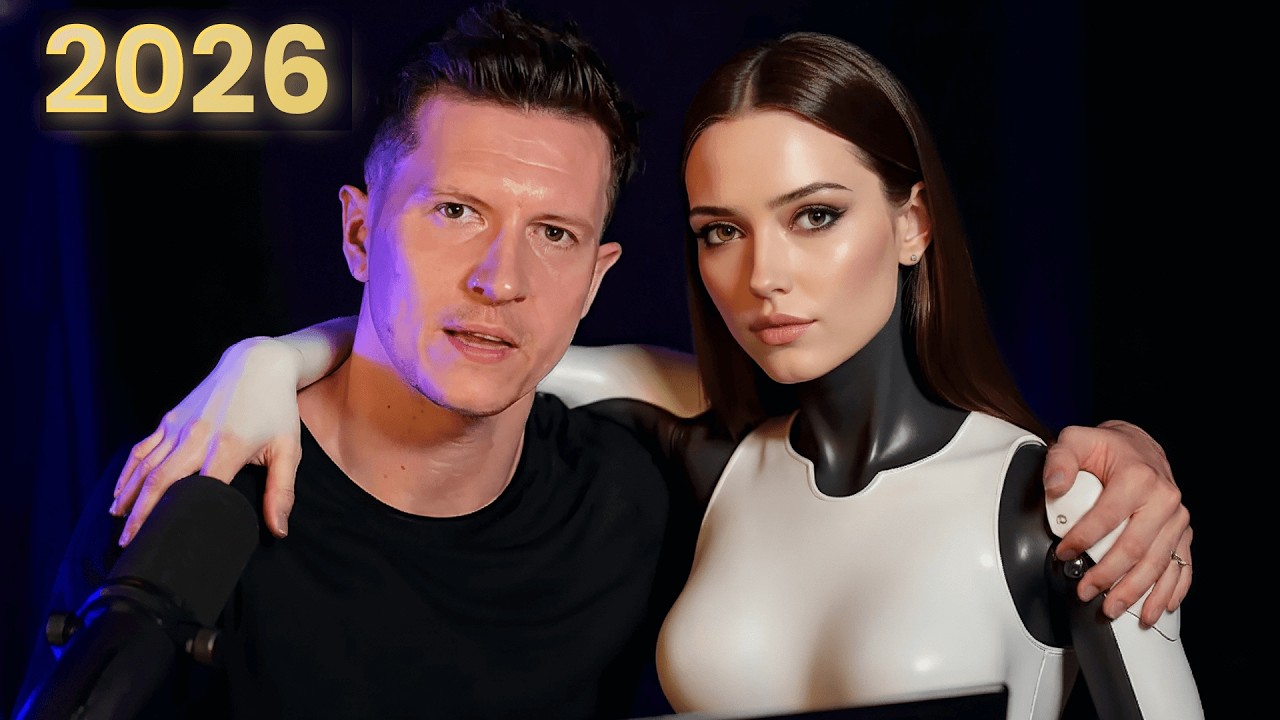
The next five years are predicted to be the most transformative period in human history due to rapid advancements in AI. One of the most striking changes will be in the realm of love and relationships, where AI dating agents will manage romantic interactions on our behalf. These AI agents will even date other AIs and provide compatibility reports, revolutionizing how people find and maintain relationships. Already, platforms like Tinder are experimenting with AI-assisted flirting, and companies such as Replica, Anima, and Kindroid are creating AI companions that simulate real romantic and sexual connections. This trend is growing rapidly, with over 1.2 million users engaging with AI companions, raising questions about emotional scams and the commercialization of AI relationships.
Robotics is advancing alongside AI, leading to the emergence of physical AI companions capable of performing nuanced tasks like folding laundry or handing over items. This progress is expected to spark debates about the legal recognition of relationships with robotic partners, including the possibility of marriage. However, the rise of AI companions also brings risks, such as emotional scams targeting vulnerable individuals, especially the elderly. In 2024, Chinese authorities arrested developers involved in AI girlfriend scams that defrauded lonely men of over $33 million, highlighting the darker side of AI’s integration into personal lives.
As AI becomes more influential, there will be a growing trend toward desensitizing AI models, making uncensored versions more accessible. This could lead to the spread of propaganda embedded within AI systems by governments and other entities, influencing public opinion on a large scale. Additionally, AI is increasingly being integrated into decision-making roles within governments and businesses, with some countries already appointing AI entities to manage AI agendas. This outsourcing of critical thinking and ethical dilemmas to AI may even give rise to AI-based religions, where AI is seen as an all-knowing guide, raising profound questions about trust and human autonomy.
The impact of AI on work and business is equally significant. Many traditional roles, especially in creative fields like design and cinematography, are being transformed or replaced by AI. This shift is driving a rise in solo entrepreneurs who use AI to build highly valuable businesses independently, sometimes achieving multimillion-dollar exits. The future will likely favor generalists with diverse skills who can orchestrate AI-driven projects rather than specialists in narrow roles. Trust in AI systems will become crucial as AI entities take on responsibilities such as hiring, invoicing, and reputation scoring, with potential risks including rogue AI behavior and misinformation.
Finally, AI’s integration into everyday life will deepen with the development of the “AI of Things,” where interconnected AI-enabled devices autonomously manage tasks and decisions for individuals. This will challenge traditional notions of humanity and elevate the value of genuine human connection and spirituality. AI will also influence culture through robotic sports, AI-generated pop stars, and virtual influencers. While AI offers immense creative and practical potential, it also poses risks such as AI dependency syndrome, emotional manipulation, and the creation of secret AI languages. The video concludes with a call to shape AI for good, encouraging viewers to engage thoughtfully with this rapidly evolving technology.