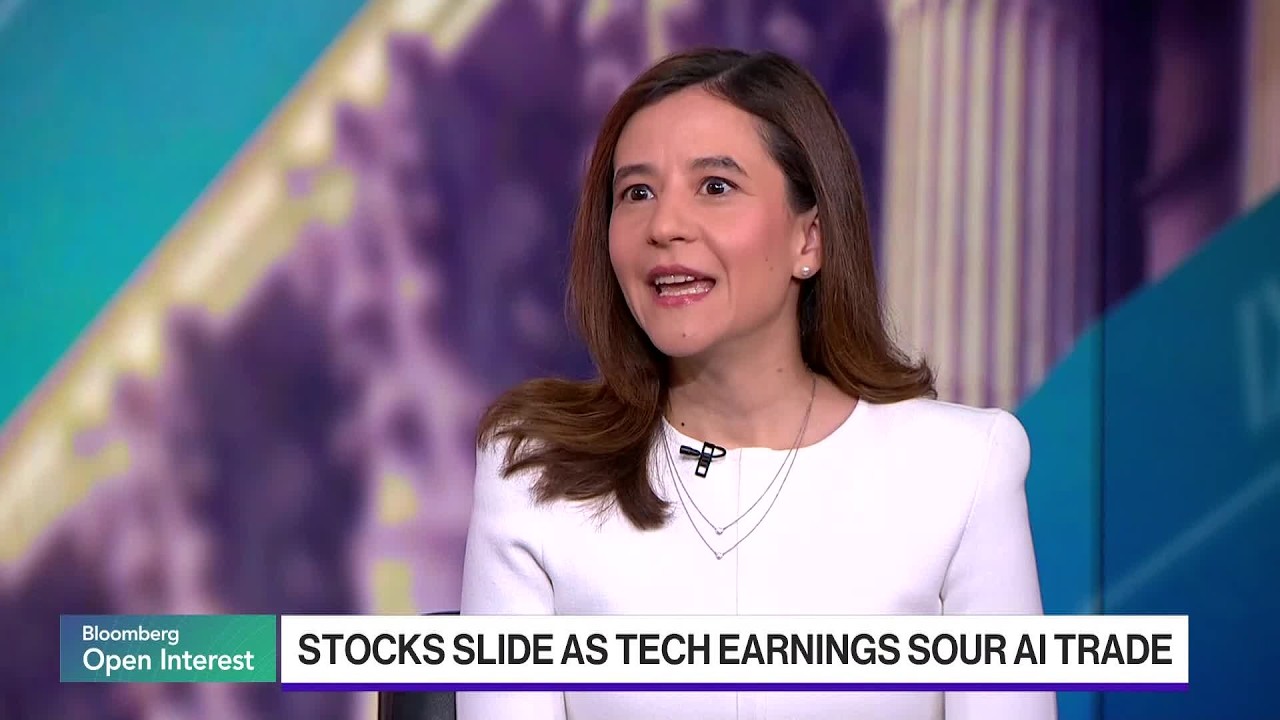
The current landscape of AI spending is marked by strong demand across various sectors, yet the investment outlook remains unclear. While AI adoption is accelerating, investors face challenges in identifying clear winners and losers, as the market experiences significant dispersion within categories like hyperscalers and semiconductor companies. This phase is characterized by heavy capital expenditure (CapEx) and negative free cash flow, making it a tricky period for investors who are trying to gauge the pace of AI monetization and spending through 2027.
Investors are caught in a paradox where companies are penalized both for spending too little and too much on AI, reflecting the complexity of navigating this evolving market. Initially, enthusiasm was concentrated on major tech players, but now the distinctions between sectors and companies have blurred. The focus has shifted to free cash flow dynamics, with investors favoring companies that demonstrate sustainable monetization over those merely increasing CapEx. This nuanced approach highlights the importance of quality over momentum in investment strategies during this transitional phase.
The scale of AI infrastructure investment is staggering, with hyperscalers expected to spend amounts comparable to the entire economic output of countries like The Netherlands. While this CapEx boom is projected to continue into 2027, potentially doubling current spending levels, there is uncertainty about when this phase will plateau. Long-term optimism remains high, with expectations that AI adoption will drive a decade of increased productivity growth and higher profit margins, ultimately leading to improved returns for both equities and bonds.
Market dynamics are poised for a significant shift as the current CapEx-driven boom supporting semiconductor and related “picks and shovels” companies is not sustainable indefinitely. Although these sectors have recently experienced record earnings and margins, this growth is cyclical and expected to slow. The future focus will likely move toward companies that are actual adopters of AI technology, across industries such as financials, healthcare, and industrials, where tangible productivity gains from AI are anticipated to emerge over time.
Broadly, the earnings environment remains robust, with a notable earnings super cycle delivering growth rates far above historical averages, even when excluding tech and energy sectors. However, this strong earnings performance contrasts with relatively muted economic growth, suggesting that the stock market is somewhat decoupled from the broader economy. This divergence has influenced fixed income markets, where yields have recently peaked and begun to decline, making bonds more attractive. Forecasts indicate potentially the highest fixed income returns in two decades, reflecting a complex but opportunity-rich investment landscape amid the ongoing AI transformation.
Useful Links