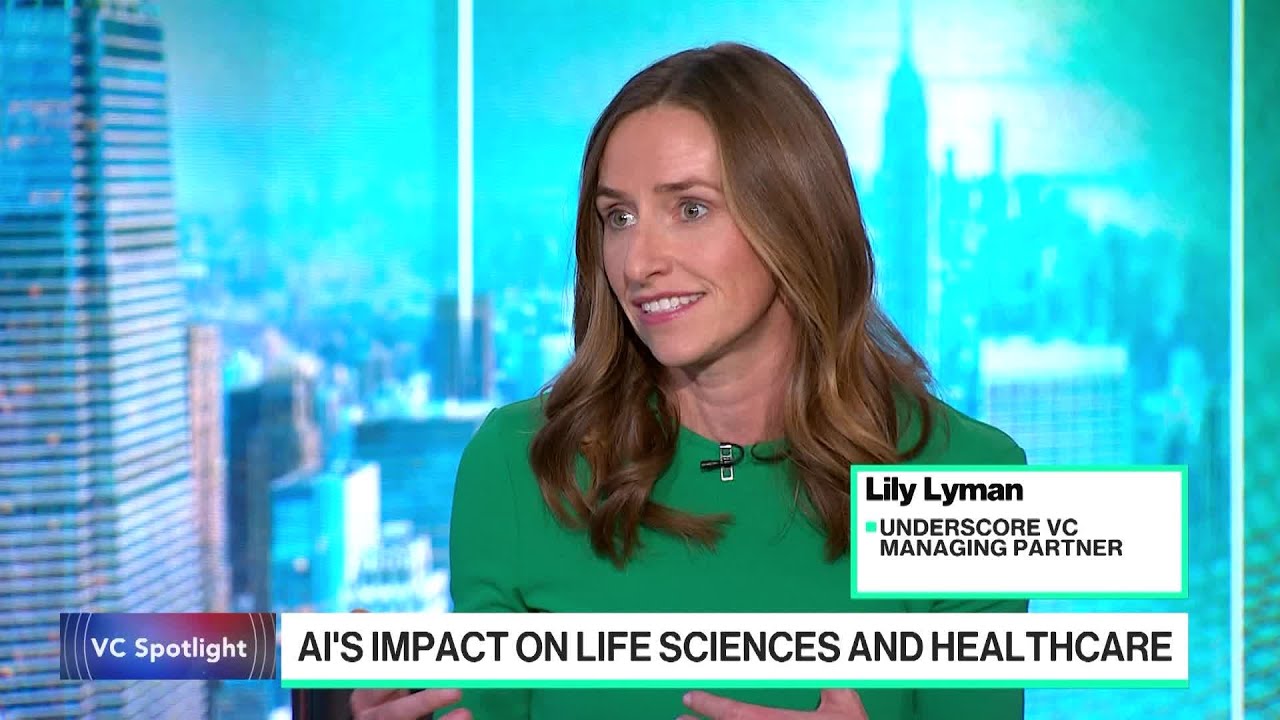
The discussion centers on the transformative potential of artificial intelligence (AI) in the life sciences and healthcare sectors, particularly highlighting Boston as a hub for innovation and investment. The speaker emphasizes that the convergence of available data, advanced AI models, and strong industry demand is driving a significant shift in how biological research and healthcare are conducted. This shift is turning biology into a data and information-driven industry, often referred to as “tech bio,” which is opening new avenues for software investments, especially at the early startup stages.
A key point raised is the enormous economic opportunity AI presents in life sciences, estimated to unlock up to $4 trillion in value. This figure is based on the potential to drastically reduce the time and cost associated with drug development, which currently requires billions of dollars and decades to bring therapies to market. By streamlining processes across the entire value chain—from research and discovery to clinical trials, manufacturing, and deployment—AI can create substantial economic and human benefits.
The speaker points to concrete signs of this transformation, including major pharmaceutical companies actively partnering with startups to leverage AI-driven solutions. For example, Takeda’s collaboration with Tetra Science, a company specializing in scientific data integration, demonstrates how AI can accelerate workflows by 90% and boost productivity by 40%. These partnerships illustrate the growing market pull for AI technologies that can address rising R&D costs, margin pressures, and looming revenue losses due to patent expirations.
Addressing competition in the AI life sciences space, the speaker notes that while large incumbents like Anthropic have advantages in data access and distribution, startups benefit from greater focus and agility. Companies such as Terra Flow, which automates flow cytometry data analysis, and Tetra Science exemplify how specialized domain expertise and AI-native development approaches enable startups to carve out valuable niches. The landscape is not zero-sum; instead, collaboration between established players and startups is expected to drive practical AI implementations forward.
In summary, AI is poised to revolutionize life sciences by transforming biology into a tech-driven field, unlocking trillions in value, and fostering dynamic partnerships between pharma giants and innovative startups. This evolution is supported by advances in data availability, sophisticated AI models, and a pressing industry need to reduce costs and accelerate drug development. The interplay between incumbents and startups, characterized by both competition and collaboration, will be crucial in realizing the full potential of AI in healthcare.