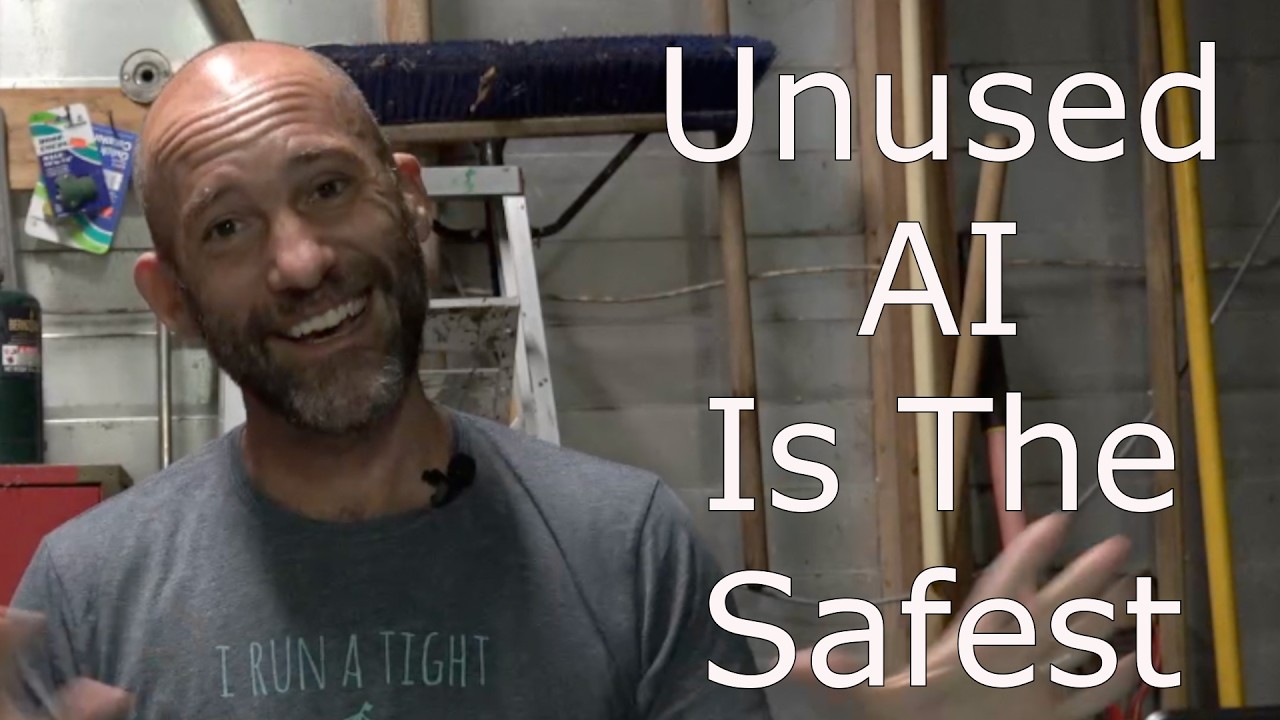
The video discusses Anthropic AI’s recent implementation of watermarking in the text generated by its chatbot, Claude, as a response to EU regulations requiring transparency in AI-generated content. The speaker compares Anthropic’s cautious approach to a health nut overdoing vitamins, suggesting that the company’s strict guardrails and watermarking measures may ultimately hinder the usefulness of their AI models. An example is given where Hugging Face, under attack, found Anthropic’s Fable 5 too restricted to help, resorting instead to a Chinese AI model to counter the threat.
Anthropic’s watermarking system embeds subtle patterns in the AI-generated text at the token level—tokens being the smaller units like words or parts of words that the AI processes—rather than altering the words themselves. This watermark is designed to be invisible to readers but detectable by those with the appropriate key, ensuring that AI-generated content can be identified. However, this approach has sparked controversy, as users, including students and employees, may not want their AI-assisted work to be easily flagged, raising concerns about privacy, intellectual property, and the potential misuse of watermark detection.
The watermarking also extends to code generated by AI, though Anthropic claims the impact on code quality will be negligible. Still, there are worries about how embedding watermarks might subtly alter code, especially in areas where arbitrary choices like variable names or comments exist. The speaker expresses skepticism about these assurances, highlighting the complexity and potential risks of modifying code at scale to include watermarks, which could introduce unforeseen issues.
Anthropic clarifies that watermarking differs from traditional AI detection methods that analyze writing style or structure; instead, it relies on embedded signals within the token patterns. While light editing might not remove the watermark, a complete rewrite of the text would. This raises practical questions about how much AI involvement in editing or proofreading might inadvertently introduce watermarks, potentially flagging content even when the original human author wrote most of it. This could complicate the use of AI tools for legitimate assistance without triggering detection.
Finally, the speaker suggests that Anthropic’s strict compliance and watermarking efforts may push users toward alternative AI models, particularly local or Chinese models that do not impose such restrictions. This trend could undermine the adoption of Western AI platforms like Claude, ironically due to overregulation and cautiousness. The video closes by inviting viewers to reflect on the implications of watermarking AI-generated content, especially regarding the quality and “feel” of AI writing, and whether these measures will ultimately benefit or hinder the AI ecosystem.