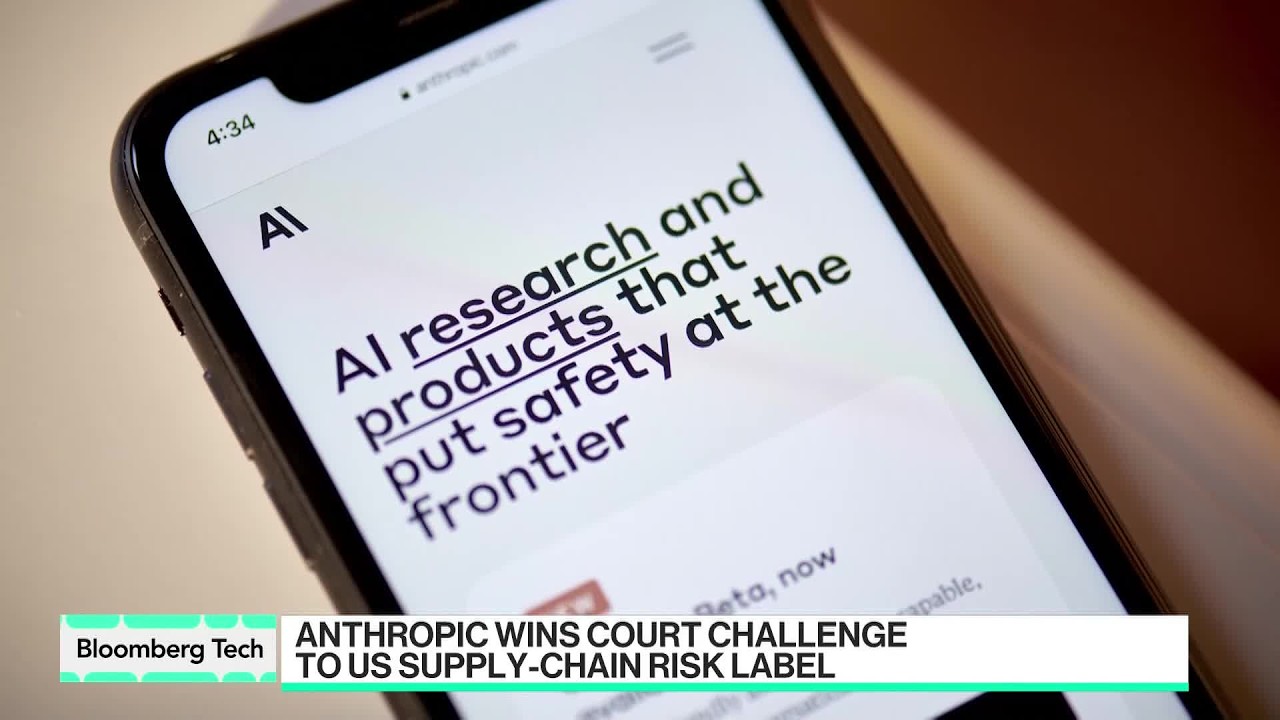
A US judge ruled that the Trump administration must lift its unjustified ban on Anthropic’s AI technology for federal agencies, though ongoing legal battles mean its reinstatement is not guaranteed. Amid concerns over ethical use and AI-enabled cyber threats, Anthropic and other tech companies are urging stronger collaboration between the private sector and government to ensure responsible deployment and enhanced cybersecurity.
A US judge has ruled that the Trump administration must lift its ban on Anthropic’s AI technology for federal agencies, stating that the ban was not adequately justified and appeared to be a punitive response to Anthropic’s criticism of the government. However, the situation is complex, as Anthropic is engaged in legal battles on two fronts: while it secured a favorable ruling in a California court, the government is pursuing a case in a DC court that could influence the final outcome. Therefore, the reinstatement of Anthropic’s technology for government use is not immediate or guaranteed.
The core issue revolves around Anthropic’s concerns about how its AI technology might be used, particularly opposing its deployment for mass surveillance of Americans or autonomous weapons systems. The government, on the other hand, has resisted placing restrictions on the technology’s use, citing national security interests. The judge clarified that the Defense Department retains the authority to take lawful actions it was already entitled to before the ban, including choosing to work with other AI suppliers like OpenAI, as long as these actions comply with existing regulations and constitutional provisions.
Anthropic is part of a broader coalition of over 100 tech and financial services companies, including OpenAI, that are urging governments and businesses to enhance their preparedness against AI-enabled cyberattacks. These organizations highlight the dual-use nature of advanced AI models: while they can significantly bolster cybersecurity defenses, they also pose risks if exploited by malicious actors. This duality has prompted calls for stronger defensive measures to mitigate potential threats arising from AI misuse.
Recent months have seen several incidents involving cyber-capable AI models from companies like OpenAI, Anthropic, and Meta, underscoring the urgency of addressing AI-related security vulnerabilities. The companies emphasize that as AI models become more sophisticated, the potential for both beneficial applications and harmful exploitation increases. This evolving landscape necessitates proactive collaboration between the private sector and government to safeguard critical infrastructure and data.
In summary, while Anthropic has achieved a legal victory against the Trump administration’s ban, the broader implications of AI technology deployment in government and cybersecurity remain complex. The ongoing legal proceedings, concerns about ethical use, and the need for robust defenses against AI-enabled threats highlight the challenges at the intersection of innovation, regulation, and security in the rapidly advancing AI field.
Useful Links