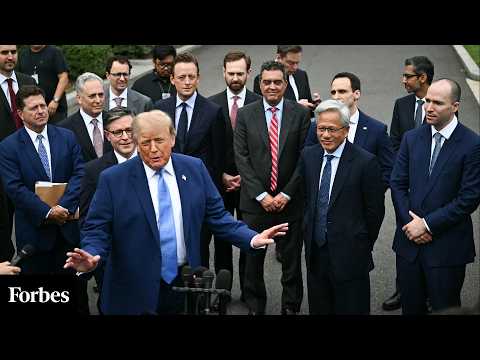
In December 2024, a bipartisan Senate working group released a 31-page statement of principles on AI legislation, but rapid technological advancements have since rendered much of it obsolete. A historic meeting was convened, led by former President Donald J. Trump, bringing together top technologists, innovators, and industry leaders to discuss new voluntary standards for the development and deployment of super intelligence (SI), a term officially adopted to replace AI. The gathering emphasized the need to balance innovation, safety, and maintaining America’s competitive edge, particularly against China, while ensuring accountability and trust through robust internal controls and external reviews.
President Trump highlighted the significance of the meeting, describing the accord signed as a moral commitment akin to a constitution for the industry. He expressed confidence in the industry’s ability to self-regulate and police itself, asserting that the companies involved are deeply invested in the safety and success of their technologies. Trump also addressed concerns about potential misuse by bad actors, emphasizing the role of law enforcement agencies like the DOJ, FBI, and CIA in mitigating risks. He reiterated his belief that the technology’s benefits, especially in medicine and economic growth, far outweigh the risks, and criticized political opponents who he claimed downplay or politicize AI concerns.
Industry leaders, including Mark Zuckerberg and Dario Amodei, echoed the president’s sentiments, underscoring the importance of safety alongside innovation. They detailed the principles of the White House Accord on Super Intelligence, which includes multi-layered auditing, internal risk reviews, and independent board oversight to ensure transparency and accountability. The consensus was that these voluntary commitments represent a crucial first step in responsible AI development, with the industry united in its dedication to advancing technology safely for the benefit of society.
The discussion also touched on the economic impact of super intelligence, with leaders noting unprecedented growth, job creation, and infrastructure development in the AI sector. Data centers, a key component of this infrastructure, were highlighted for their positive contributions to local communities through financial benefits and partnerships, despite some public concerns. Trump emphasized the importance of keeping these developments within the United States to maintain national security and economic advantage, warning against outsourcing to other countries like Europe or China.
Finally, the dialogue addressed geopolitical and social issues related to SI, including competition with China, national security, and the future of work. Elon Musk and others spoke about the potential for an “age of abundance,” where super intelligence could lead to universal high income and improved quality of life, despite changes in job landscapes. Trump reaffirmed his commitment to American leadership in SI, stressing unity within the Republican Party and the importance of continued innovation without unnecessary regulatory slowdowns. The meeting concluded with a shared resolve to harness SI’s transformative potential while safeguarding the interests of the American people and the global community.
Useful Links