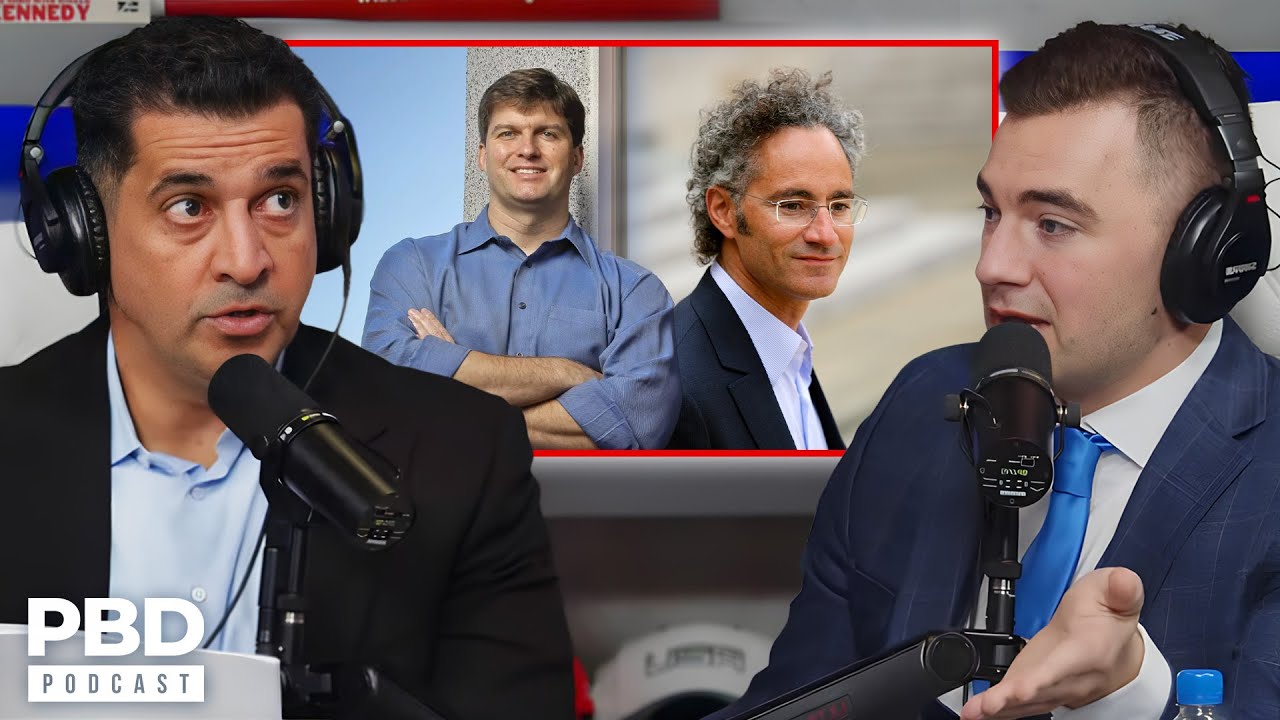
The video discusses Michael Burry’s bearish bets against Nvidia and Palantir amid concerns of an AI-driven market bubble, highlighting tensions with Palantir’s CEO and analyzing high valuation metrics alongside signs of market euphoria. It warns investors about potential market volatility in 2026, emphasizing the importance of strategic business planning to navigate economic uncertainties and possible corrections.
The video discusses Michael Burry, famously known from the movie “The Big Short,” and his recent bearish bets against Nvidia and Palantir Technologies. Burry, who correctly predicted the housing bubble, has now warned retail investors about an AI bubble, revealing short positions on these two companies. This announcement has stirred controversy, especially with Palantir’s CEO, who strongly criticized Burry for targeting a company that supports important causes and consistently delivers strong results. The discussion highlights the tension between short sellers and companies perceived as market leaders or innovators.
The hosts analyze Burry’s claims by comparing the current market situation to past tech bubbles, particularly focusing on valuation metrics like price-to-earnings (PE) ratios. Palantir’s PE ratio is cited as extraordinarily high—over 400—indicating extreme market exuberance, while Nvidia’s PE ratio, though high at 55, is more moderate compared to historical bubble levels seen in companies like Amazon and Tesla during their peak valuations. The conversation emphasizes that while Nvidia and Palantir are dominant players in their fields, such lofty valuations raise concerns about a potential market correction.
Further, the video explores the broader market context, noting that the stock market is exhibiting signs of euphoria, with indexes at all-time highs and sentiment indicators like the Fear & Greed Index showing extreme greed. The role of passive investing through index funds is also discussed, suggesting that heavy weighting of companies like Nvidia and Palantir in these funds could amplify market movements if a correction occurs. The Federal Reserve’s stance on interest rates and the impact of government data availability on monetary policy decisions are also considered crucial factors influencing market stability.
Historical parallels are drawn between Cisco’s dominance during the late 1990s tech bubble and Nvidia’s current market position in AI technology. The hosts express concern about the possibility of a correction similar to past tech crashes but also acknowledge that if these companies can continue to grow profits, the market may sustain their high valuations. They caution investors about the risks of a sudden correction, especially given the complex interplay of economic factors and market sentiment.
In conclusion, the video encourages business leaders and investors to prepare for potential market volatility in 2026 by developing robust business plans and staying informed about economic trends. It promotes an upcoming business planning workshop aimed at helping entrepreneurs and executives navigate uncertain times. The hosts stress the importance of strategic planning and awareness in an environment where market exuberance and economic uncertainties coexist, urging viewers to be proactive in managing their businesses and investments.