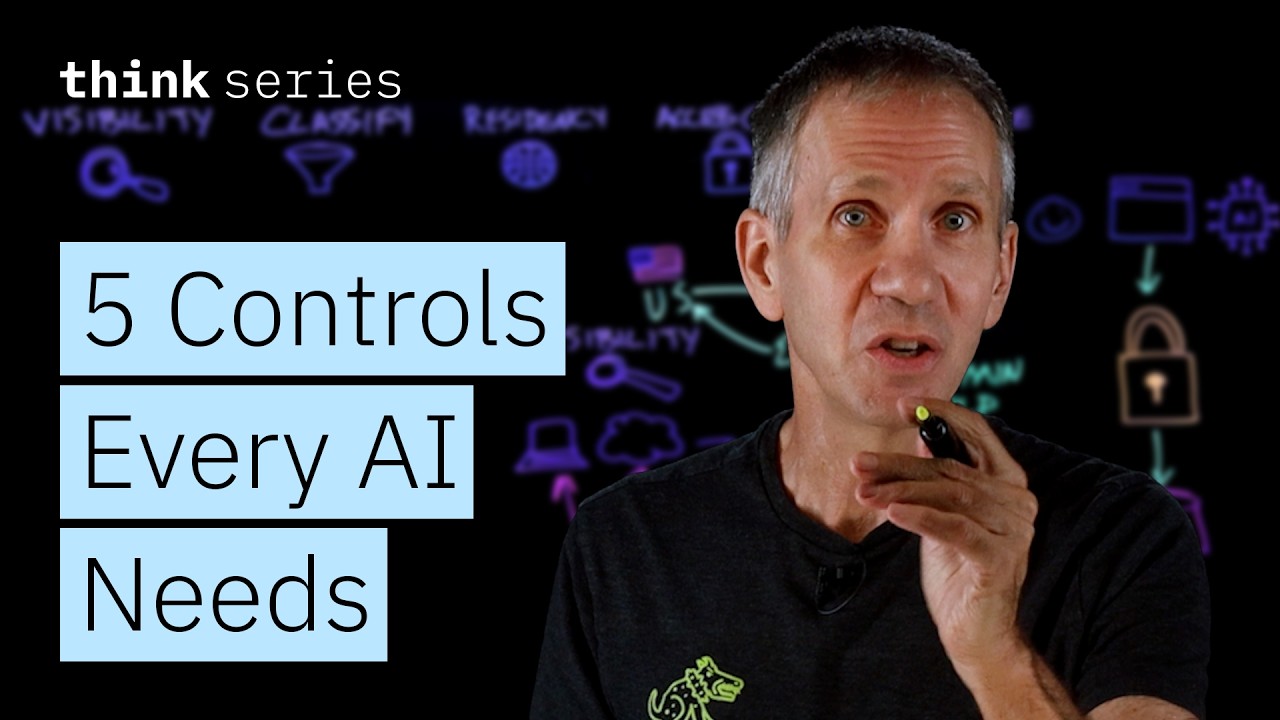
The rapid processing capabilities of AI pose significant risks for sensitive data, which traditionally has been protected through human-centric controls. As AI systems consume data at machine speed, organizations must implement controls that operate just as quickly to safeguard critical information such as personally identifiable information, health data, and financial records. The challenge lies in balancing the need for AI-driven insights with the imperative to protect these digital assets, avoiding either reckless exposure or overly cautious, generic outputs. Achieving this balance requires foundational controls that provide visibility, classification, residency awareness, access management, and auditability.
Visibility is the first essential control, as organizations cannot protect data they cannot see. Sensitive data often resides across diverse environments—on-premises servers, endpoints, cloud platforms, and in transit across networks. A unified, organization-wide view is necessary to track where data lives, how it moves, and who accesses it. Without this comprehensive insight, risk mitigation becomes guesswork, leaving organizations vulnerable to data leaks and compliance failures.
Once visible, data must be accurately identified and classified by sensitivity level. Automated, continuous classification is critical because manual tagging is slow and error-prone. Proper classification ensures that security controls are appropriately calibrated—neither too restrictive to stifle innovation nor too lax to invite regulatory penalties. This proactive approach prevents damage before AI systems consume the data, rather than reacting after the fact.
Understanding data residency, sovereignty, and localization is also vital. Residency refers to the physical location of data storage, sovereignty to the legal jurisdiction governing the data, and localization to legal requirements mandating data storage and processing within specific regions. These concepts become complex in cloud environments where data may be stored and processed across multiple jurisdictions, each with different laws. Organizations must enforce controls that respect these boundaries and collaborate with legal teams to ensure compliance.
Finally, robust access control and audit capabilities are necessary to manage who can interact with sensitive data and under what conditions. Identity and Access Management (IAM) encompasses administration (account provisioning), authentication (verifying identity), authorization (defining permissions), and audit (tracking and proving compliance). Continuous, immutable logging of data movements and access events provides the evidence auditors require to verify that controls are effective. Together, these five capabilities transform sensitive data from a compliance liability into a strategic asset that fuels trustworthy AI innovation.
Useful Links