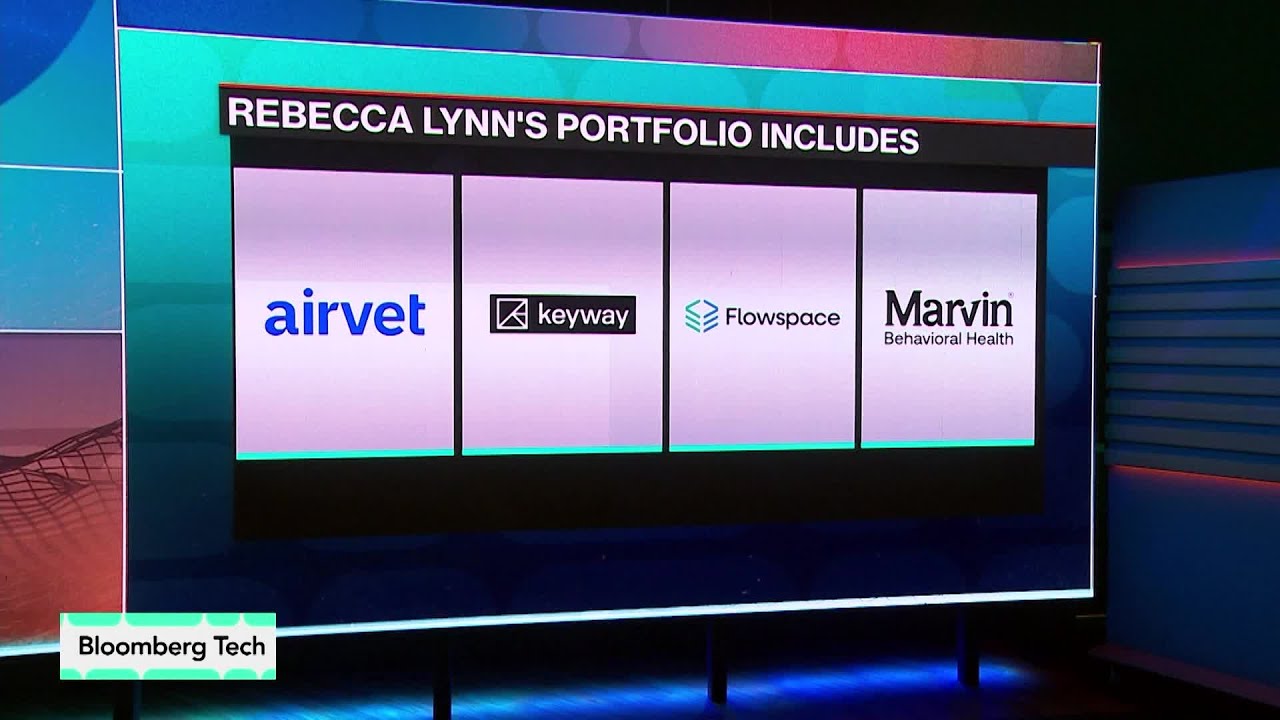
Rebecca from Canvas Prime believes the current AI investment landscape is a bubble, emphasizing the need for early-stage investors to conduct rigorous due diligence and focus on sound governance rather than hype-driven deals. She highlights risks such as inflated valuations, misuse of metrics like ARR, and governance red flags, advocating for a disciplined approach to identify truly sustainable companies amid the hype.
In the discussion, Rebecca from Canvas Prime expresses her belief that the current AI investment landscape is indeed a bubble. However, she emphasizes that the more critical focus for early-stage investors is how they respond to this hype cycle and identify companies that have the potential to become the next multi-trillion-dollar giants. The challenge lies in executing investment strategies effectively regardless of the market’s hype or downturns.
Rebecca highlights the importance of rigorous due diligence in the private markets, especially given the overuse and misuse of terms like Annual Recurring Revenue (ARR). She explains that many companies report ARR figures that include ephemeral revenues such as pilot projects or installation fees, which do not represent stable, long-term income. To counter this, her team digs deep by reviewing contracts and speaking directly with core customers to verify that these companies are integral to their customers’ daily operations, particularly in sectors like financial services and healthcare.
The conversation also touches on the lessons learned from past investment failures, such as the FTX collapse, where investors were misled by charismatic leadership and growth stories without sufficient scrutiny of the underlying business fundamentals. Rebecca stresses the importance of focusing on sound deals rather than hype-driven ones, noting that some large venture firms with vast amounts of capital may be skipping essential diligence steps due to the pressure to deploy funds quickly.
Regarding current market valuations, Rebecca observes that a significant portion of venture capital is concentrated in a small number of deals, with some Series A rounds reaching valuations of $500 million or more despite relatively low revenues. She sees this concentration as an opportunity but remains cautious. In fact, she recently walked away from two deals where founders demanded complete board control, a governance red flag that she believes is a recipe for disaster based on her experience through multiple market cycles, including the dot-com bubble.
Ultimately, Rebecca expresses greater concern about the lack of governance in today’s investment environment than the high valuations themselves. She underscores that strong governance and thorough diligence are crucial to ensuring long-term success and protecting investor capital, especially in a market characterized by hype and rapid growth. This cautious and disciplined approach is what she advocates for navigating the current AI investment bubble.