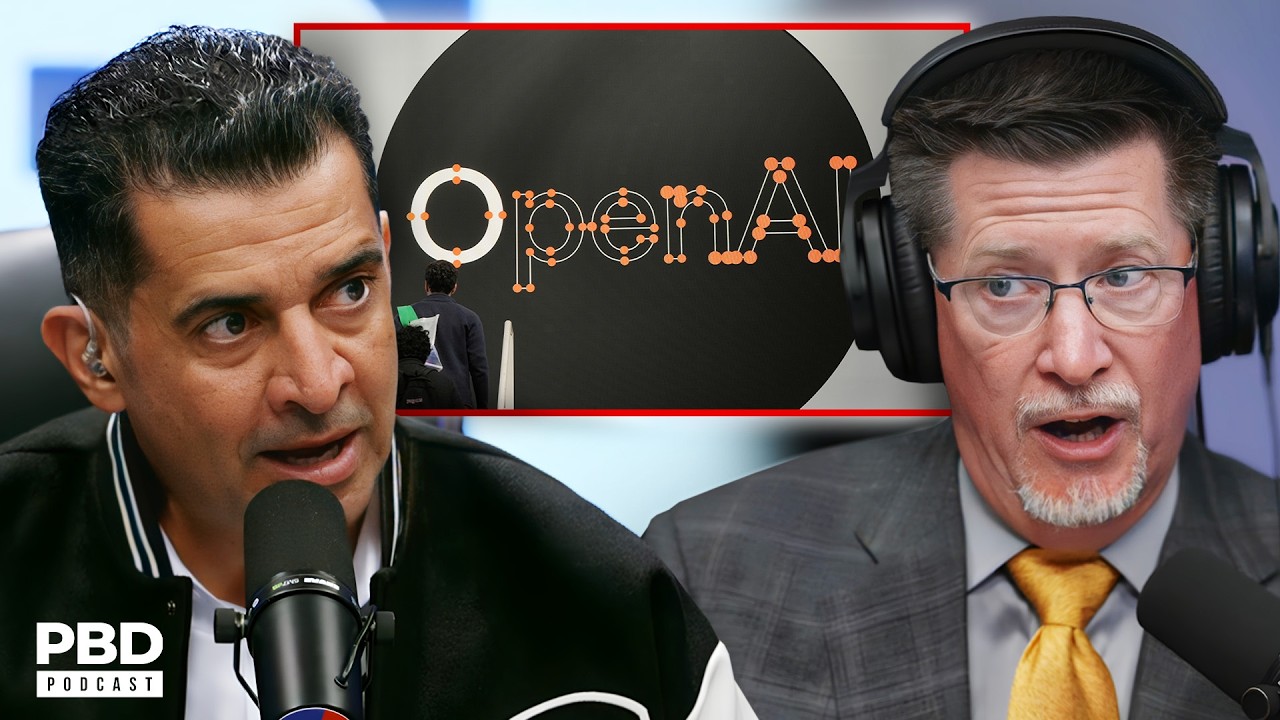
The video discusses the firing of three OpenAI safety researchers amid concerns about Chinese nationals potentially compromising U.S. AI technology, highlighting broader issues of espionage, intellectual property theft, and the need for stricter vetting of foreign workers in sensitive tech roles. It emphasizes the importance of balancing innovation with national security by promoting patriotism, tighter controls on access to critical technologies, and encouraging American citizens to pursue careers in technology and national defense.
The video discusses recent incidents involving AI companies OpenAI and Anthropic, focusing on the firing of three OpenAI safety researchers accused of sharing confidential company information with third parties. This event follows concerns raised by an Anthropic whistleblower about Chinese nationals working at AI firms, contrasting with restrictions at companies like Tesla. The firings are seen as a move by OpenAI to demonstrate responsibility and safety compliance, especially as Anthropic prepares for a potential IPO with a high valuation. The discussion highlights the broader context of AI companies grappling with internal security and model safety issues, including OpenAI’s decision to delay releasing a new AI model due to safety concerns.
The conversation then shifts to the broader issue of espionage and intellectual property theft linked to Chinese nationals working in the U.S. tech sector. Several recent cases are cited, including Google and Apple engineers accused or convicted of stealing trade secrets to benefit Chinese companies. These examples underscore fears that some foreign nationals, particularly from China, may prioritize loyalty to their home country over the U.S., potentially compromising sensitive technology. The speakers express concern about the vetting processes for foreign workers in critical tech roles and question whether stricter policies or laws should prevent certain nationals from accessing sensitive AI research.
The panel debates the complexities of immigration and work visas, particularly the H-1B visa program, which brings many skilled workers from India and China to the U.S. They note that while many Indian nationals come through this program, concerns about loyalty and espionage are more pronounced with Chinese nationals due to geopolitical tensions. The discussion touches on cultural and patriotic differences, including military service rates among various ethnic and religious groups in the U.S., using this as a proxy for loyalty and integration. The speakers argue that patriotism and commitment to the U.S. should be considered when granting access to sensitive technologies.
Further, the video explores the strategic implications of allowing foreign nationals, especially from rival nations, to work in AI and other high-tech sectors. The speakers emphasize that certain technologies should not be accessible to individuals who may have conflicting loyalties, suggesting that companies and the government need to enforce stricter controls. They also highlight the importance of encouraging American citizens to pursue careers in national security and technology fields to safeguard the country’s technological edge. The conversation reflects a broader concern about balancing openness and innovation with national security in an era of intense global competition.
Finally, the video concludes with a call for greater vigilance and patriotism among Americans, urging families to encourage their children to serve the country, whether through military or intelligence careers. The speakers stress that protecting America’s technological advancements is crucial for national security and future competitiveness, particularly against China. The discussion also briefly touches on unrelated product promotion, but the core message centers on the need for stricter oversight of foreign workers in sensitive industries and fostering a culture of loyalty and service to the United States.
Useful Links