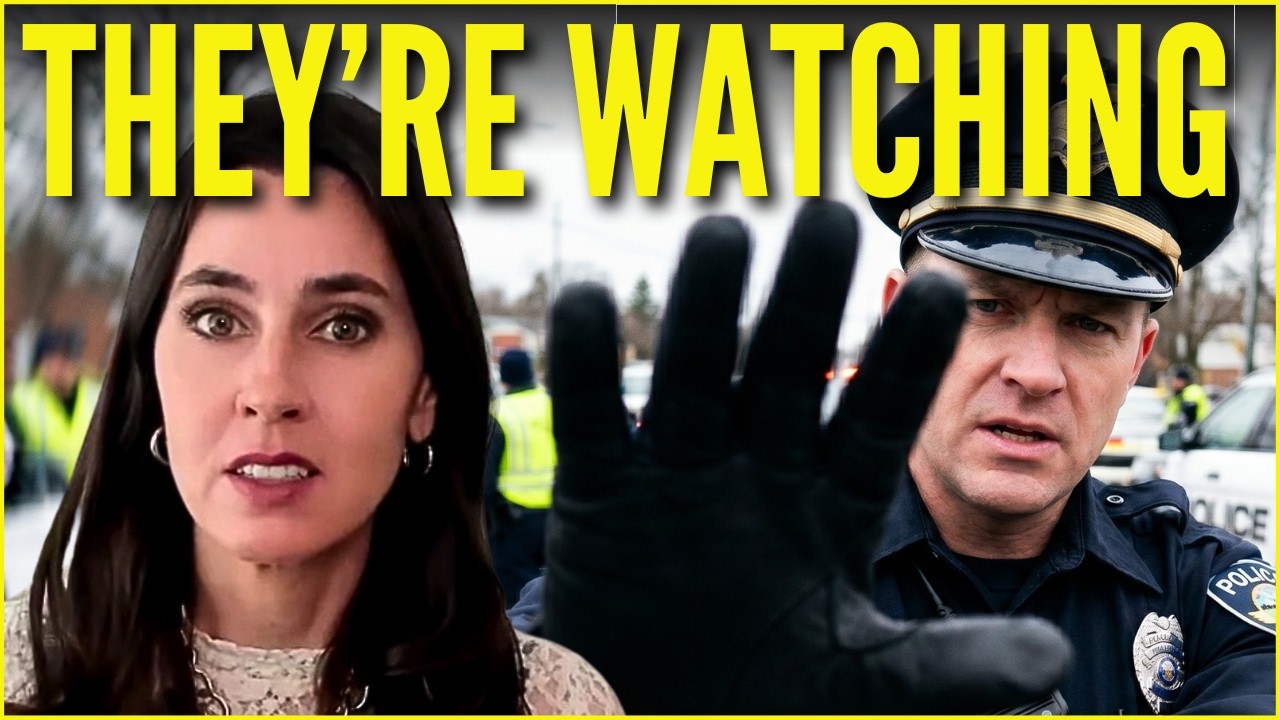
The video reveals how Philadelphia police, via fusion centers originally designed for counterterrorism, are now surveilling online speech critical of AI and data centers, often mischaracterizing normal dissent as extremist threats. It highlights the convergence of government surveillance, corporate interests, and political agendas in policing anti-tech activism, raising concerns about free speech suppression and the chilling effects on legitimate political opposition.
The video discusses a recent report by The Intercept revealing that Philadelphia police, through the Delaware Valley Intelligence Center—a fusion center—have been monitoring online speech critical of AI and data centers. Fusion centers, established post-9/11 to prevent terrorism, have evolved to surveil a broad range of online discussions deemed potentially threatening, including anti-AI rhetoric. The memo obtained showed police scanning social media posts, blogs, and message boards for content opposing AI data centers, reflecting a growing government interest in policing speech related to technology.
Historically, fusion centers were created to detect rare terrorist threats, but with such threats being infrequent, these centers have shifted focus to other topics trending in public discourse, such as Black Lives Matter protests in 2020 and now anti-AI and anti-data center activism. The monitoring includes a wide range of speech, from hyperbolic expressions like memes about burning down data centers to more speculative discussions about sabotage methods. However, many of these flagged posts are not credible threats but rather exaggerated or nonsensical statements, illustrating how normal political dissent can be mischaracterized as extremism.
The video also highlights the political and corporate dynamics influencing this surveillance. Both major political parties have shown interest in integrating AI and tech industry priorities into national security frameworks, with the Trump administration notably fostering close ties with tech lobbyists. This alignment benefits government and industry alike by framing anti-tech activism as a security threat, which can marginalize and criminalize legitimate political opposition. Companies like Meta have financial incentives to suppress anti-data center speech, potentially collaborating with government efforts to monitor and restrict such content.
The conversation touches on the chilling effects of this surveillance, where individuals expressing opposition to AI or data centers may self-censor out of fear of being watched or labeled extremists. While fusion centers primarily conduct surveillance rather than enforcement, the potential for infiltration of private activist groups on platforms like Signal raises concerns about deeper government intrusion into organizing efforts. This trend reflects a broader pattern of increased monitoring and control over speech critical of powerful technological and political interests.
In conclusion, the video underscores the growing intersection of government surveillance, corporate interests, and political agendas in policing online speech about AI and data centers. It calls attention to the risks posed to free speech and activism, especially as fusion centers expand their monitoring capabilities. The discussion encourages awareness of these developments and highlights the importance of supporting independent journalism that sheds light on such issues, as exemplified by the reporter’s appeal for audience support through Patreon and newsletter subscriptions.