In the video, the discussion begins with Nvidia’s shares dropping nearly 2% following SoftBank’s sale of its entire stake in the company, netting about $5.83 billion. The sale is attributed to SoftBank’s need for capital to fund various projects, including Stargate data centers and manufacturing sites in the U.S., rather than any issues with Nvidia itself. This move comes amid ongoing debates about whether tech giants like Meta and Alphabet will see returns on their heavy spending. Historically, SoftBank has sold and then gradually increased its holdings in Nvidia, and its portfolio also includes other major tech companies like OpenAI and Bytedance.
The conversation then shifts to CoreWeave, a data center operator whose shares fell as much as 10%. CoreWeave, which went public in March and is based in Livingston, New Jersey, rents access to AI chips and counts major companies like OpenAI and Microsoft among its customers. The company lowered its annual revenue forecast due to delays in fulfilling a customer contract, with the CEO noting that fourth-quarter results will reflect these challenges. However, the affected client has agreed to adjust delivery schedules, highlighting the difficulties companies face in meeting the surging demand for AI infrastructure.
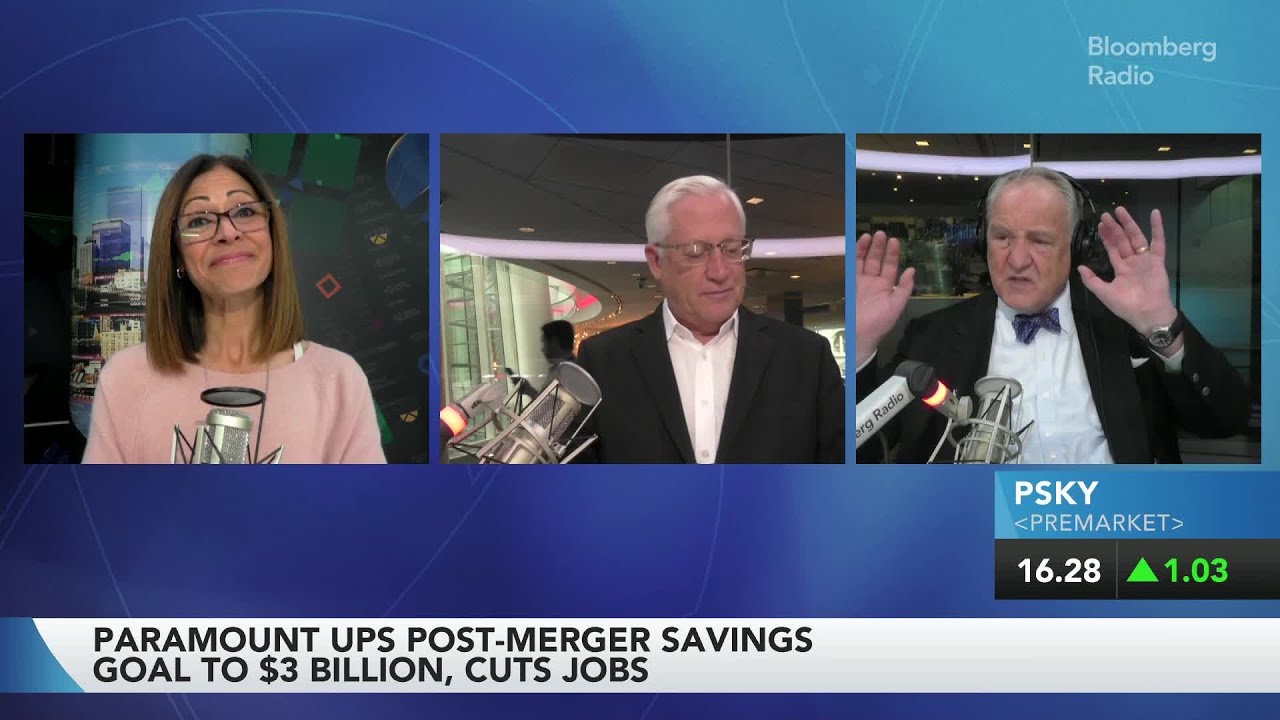
Next, Paramount Global’s stock is discussed, which rose by as much as 5% following its first report since a new investor group took over in August. The company announced plans for significant cost-cutting measures, including an additional reduction of 1,600 jobs, aiming to save at least $3 billion. These savings are intended to fund increased spending on Paramount Plus, UFC streaming rights, third-party licensing, and an expanded film slate with a goal of releasing at least 15 movies annually starting in 2026. Paramount also forecasted $30 billion in revenue for the next year.
Despite these ambitious plans, the video highlights that $30 billion in revenue is still considered subscale in today’s media landscape, especially when competing against giants like Google and Apple. The discussion touches on the competitive pressures Paramount faces and the broader challenges in the media industry. Warner Brothers Discovery is mentioned as a much larger player, being three times the size of Paramount, and Paramount has made three bids to acquire Warner Brothers Discovery, all of which have been rejected. This underscores the complexity and scale of consolidation efforts in the media sector.
The video concludes with reflections on the evolving media world and the uncertainty surrounding future deals and strategies. The competitive dynamics between major media companies and tech giants continue to shape the industry, with significant investments and restructuring underway. The bankers and investors involved in these high-stakes negotiations are expected to play crucial roles in determining the outcomes as companies like Paramount seek to scale up and compete more effectively in a rapidly changing market.