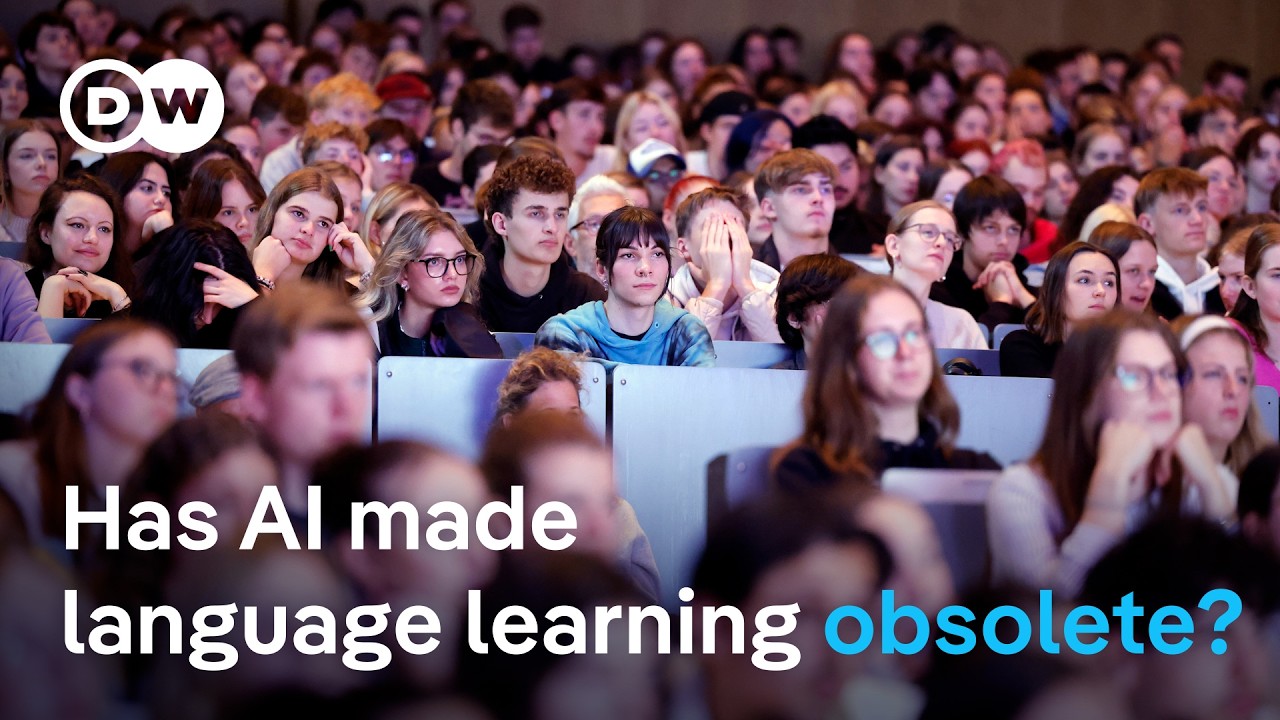
Despite advances in AI translation technology, learning new languages remains valuable for fostering genuine human connections, cultural understanding, and emotional depth that AI cannot replicate. Additionally, language learning offers cognitive and social benefits, emphasizing its importance beyond mere communication in an increasingly AI-driven world.
The video explores the relevance of learning new languages in the age of advanced AI translation technologies. Yuji Beleza, known for his popular videos where he guesses and speaks various languages with strangers, exemplifies the human connection and cultural appreciation that language learning fosters. Despite AI’s rapid progress in real-time translation, which can now operate with minimal delay and at low cost, experts question whether this technological convenience might render traditional language learning obsolete.
Linguists and language experts highlight a decline in foreign language study that predates AI, largely influenced by the global dominance of English. Many universities worldwide have reduced or closed language departments due to dwindling student interest, a trend exacerbated by AI tools that reduce the need for multilingual employees. The practical motivation for learning languages—securing better job prospects—is challenged when AI can perform translation tasks, potentially making language skills less attractive in the job market.
However, experts caution against relying solely on AI for communication. Languages like Japanese rely heavily on context and implied meanings that AI struggles to interpret accurately. Moreover, AI translations tend to be transactional and superficial, lacking the emotional depth and cultural nuance necessary for building genuine human relationships. Learning a language, therefore, remains crucial for fostering emotional bonds, understanding cultural subtleties, and creating a sense of belonging within communities.
Beyond communication, language learning offers cognitive and social benefits, especially for older adults. Engaging in language study can help maintain mental stimulation and promote social interaction, which are important for mental health and well-being. Attending language classes and practicing with others provide valuable social connections that AI cannot replicate, underscoring the broader value of language learning beyond mere translation.
Yuji Beleza emphasizes that the core of language learning is human connection and respect for others, something AI cannot replace. His experiences show that speaking someone’s native language can open doors to meaningful interactions and cultural exchange. He encourages learners to embrace mistakes and enjoy the process, highlighting that language learning is not just about communication but about curiosity, fun, and building relationships—qualities that AI, no matter how advanced, cannot truly replicate.
Useful Links