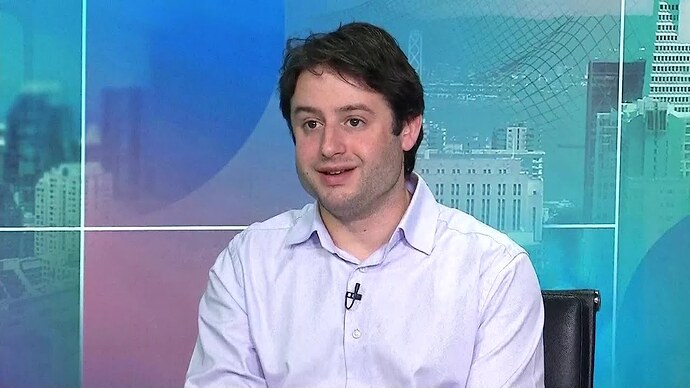
Figma’s CEO highlighted strong momentum and growth driven by strategic investments, new features, and the acquisition of We’ve, which enhances AI integration and creative workflows on the platform. Emphasizing a focus on platform innovation, customer satisfaction, and careful management of stock-based compensation, the CEO expressed confidence in AI’s potential to expand use cases while maintaining a commitment to openness and user-driven development.
Figma is poised to finish the year strongly, with a robust outlook for both the fourth quarter and the full year. The CEO highlighted the company’s impressive momentum in Q3, where the team shipped over 50 new features, reflecting a high pace of innovation and growth. This acceleration is attributed to strategic investments and the broad adoption of Figma’s platform by both new and existing customers. The company is also excited about its acquisition of “We’ve,” a product that enhances creative exploration through a node-based system for composing AI models, allowing users to shape outputs interactively rather than relying on one-shot prompts.
The acquisition of We’ve enables Figma customers to integrate various AI models into their workflows, offering a powerful yet simple environment for creative experimentation and process building. This aligns with Figma’s broader strategy of enhancing platform interoperability and expanding its product offerings. The CEO noted that revenue growth is driven by both an increase in customer count and deeper product usage among existing clients, with average deal size rising significantly. The platform’s ability to connect different products seamlessly is a key factor in driving adoption and customer satisfaction.
Regarding financials, the CEO addressed the impact of stock-based compensation on net losses, particularly a one-time event related to the IPO. He emphasized that stock-based compensation is a standard expense in the tech industry and part of attracting and retaining talent. Moving forward, Figma plans to manage these costs carefully while continuing to invest heavily in platform growth and capabilities. The CEO expressed confidence that focusing on improving the platform will naturally lead to efficiency, growth, and eventually positive financial metrics, rather than being driven solely by external pressures to meet profitability targets.
The CEO also discussed Figma’s evolving relationship with AI, particularly its integration with OpenAI and ChatGPT. While the business model and monetization strategies with OpenAI are still being developed, the focus remains on creating seamless experiences that enhance diagramming and design workflows. The CEO sees significant potential for AI to open new channels and use cases, but acknowledged that it is still early days. He emphasized the importance of openness and interoperability in the AI space, aiming to allow customers to bring design context into other tools and vice versa, thereby enriching the overall platform ecosystem.
Finally, reflecting on his experience as the CEO of a public company, the CEO shared that the core focus remains on making Figma better rather than being distracted by media or market pressures. He actively engages with user feedback across social media and other channels to inform product development. While the intensity of the role remains high both before and after the IPO, the CEO is energized by the rapid evolution of AI and its integration into Figma’s platform. Looking ahead, he is excited about the opportunities to connect Figma with the broader world and to continue delivering value to customers through innovation and collaboration.