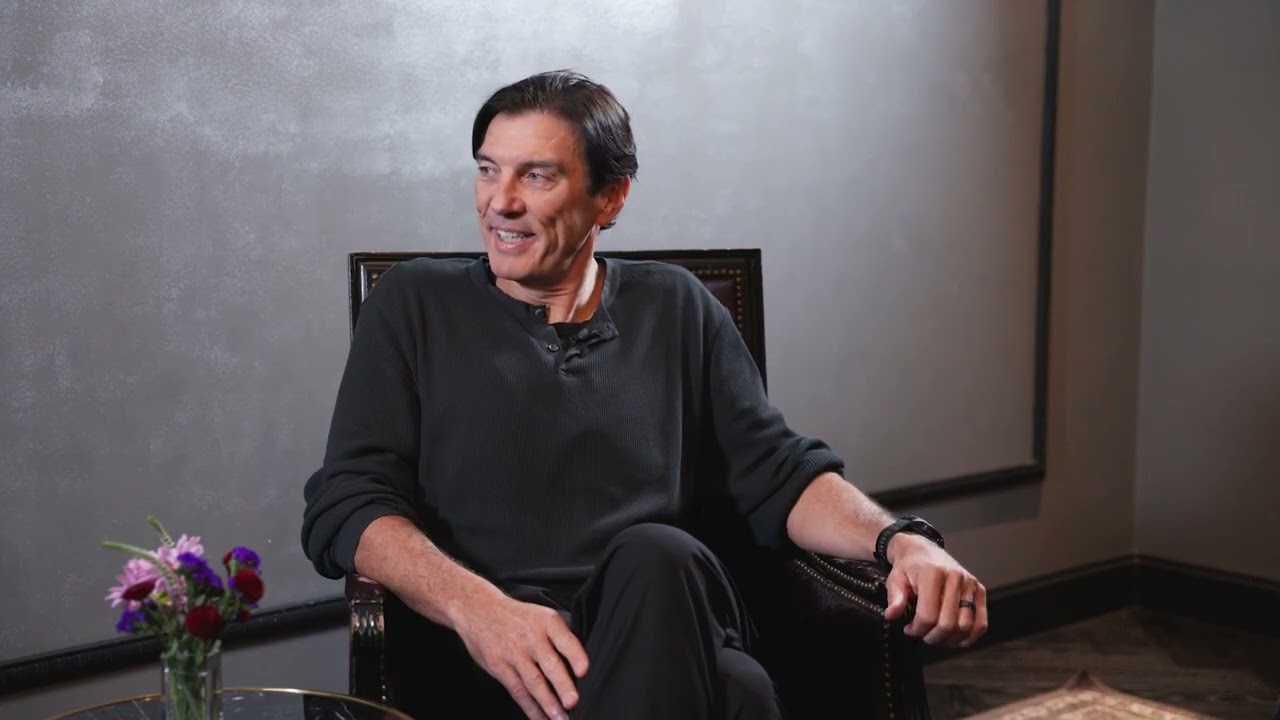
Tim Armstrong, CEO of Flow Code, emphasizes the importance of bridging the digital and physical worlds by leveraging smartphones to create meaningful real-world consumer interactions and direct customer relationships, especially as AI transforms search and marketing landscapes. He highlights challenges marketers face with offline data capture and advocates for a strategic focus on in-real-life engagement and goal-setting to drive sustained growth and brand loyalty.
In this insightful interview, Tim Armstrong, CEO and founder of Flow Code, shares his vision and experiences in bridging the gap between the digital and real-world economy. Drawing from his extensive background in Silicon Valley and media, Tim highlights that 81% of the economy operates in the physical world, yet much of the software and marketing focus remains digital. Flow Code aims to leverage the ubiquitous presence of smartphones to connect consumers directly with real-world experiences, moving them away from endless digital scrolling towards meaningful interactions that enhance their daily lives.
Tim discusses the significant challenges marketers face today, especially as budgets tighten and the pressure to deliver measurable growth intensifies. He notes that many companies struggle to capture data from offline channels, which often represent the majority of consumer touchpoints. Using the NBA as an example, Tim illustrates how Flow Code helps brands engage fans in physical spaces—such as stadiums—by integrating digital tools that collect data and foster direct relationships. This approach not only strengthens brand loyalty but also counters the decline in digital traffic caused by shifts in AI-driven search behaviors.
Addressing the impact of AI on marketing, Tim explains that AI has transformed search engines from question-based platforms to answer engines, limiting the opportunities for brands to attract traffic organically. He emphasizes the importance of owning customer relationships directly, advocating for a “relationship manager” role within marketing teams to nurture these connections. Tim stresses that in an AI-dominated landscape, building and maintaining direct consumer relationships will be crucial for sustained success, as reliance on AI-driven traffic alone is insufficient.
Tim also shares examples of how Flow Code supports real-world engagement, such as installing Flow Codes on Milwaukee Bucks’ seats to deepen fan interaction during games. He draws parallels to events like the Forbes CMO Summit, where fostering a sense of community and connected membership enhances the overall experience. Tim believes that winning in marketing requires brands to be present and active in the real world, as meaningful moments and memories predominantly occur offline, despite the digital nature of modern life.
Looking ahead to 2026, Tim expresses optimism about the potential for AI to free people from routine tasks, enabling greater creativity and innovation. He highlights the upcoming 250th anniversary of America as a significant cultural moment and encourages marketers to plan strategically using tools like Flow Code’s “Big Ass CMO Calendar.” Tim concludes by emphasizing the importance of goal-setting and physical experiences in marketing, sharing his personal tradition of annual goal reviews and Flow Code’s commitment to enhancing in-real-life (IRL) experiences for partners, signaling a future where digital and physical marketing seamlessly integrate.