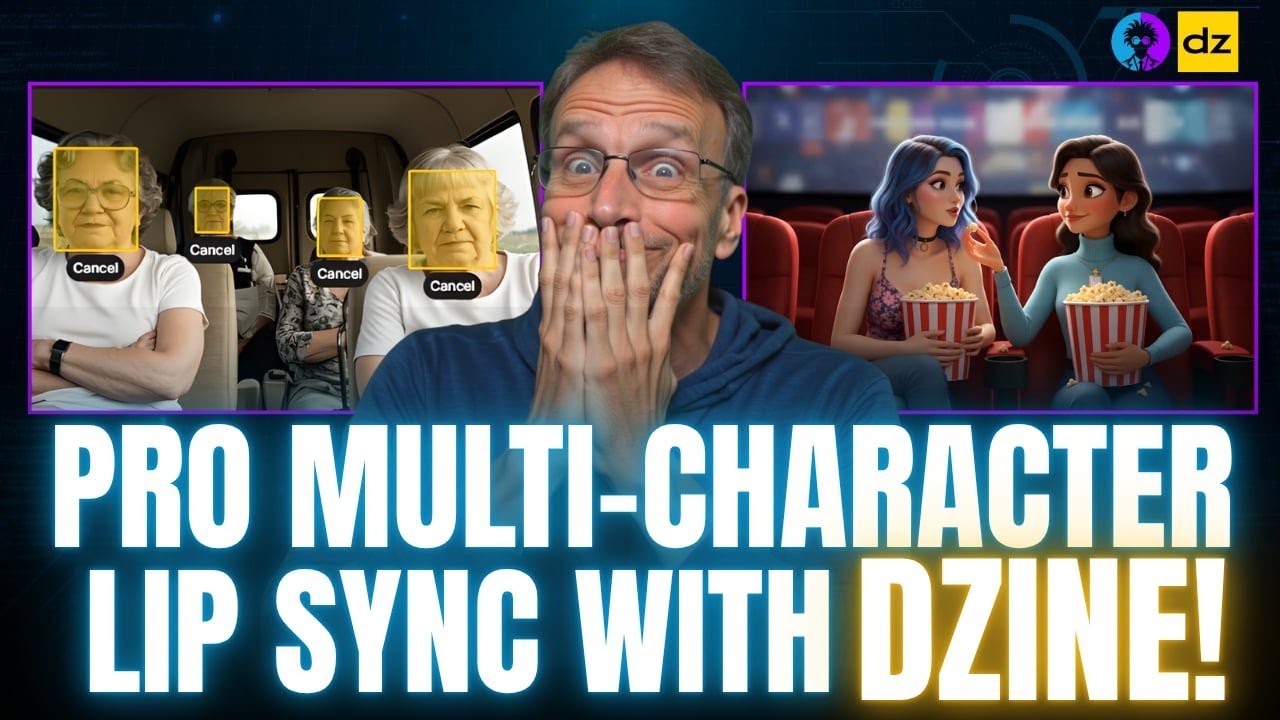
Bob Doyle showcases the latest update to the Design platform’s lip-sync model, which now enables animating up to four characters speaking simultaneously from still images or videos, with improved accuracy and a 50% reduction in pro mode cost. He demonstrates creating dynamic multi-character scenes using AI-generated images and both text-to-speech and uploaded audio, highlighting the platform’s flexibility and effectiveness for cinematic storytelling.
In this video, Bob Doyle explores the latest update to the Design platform’s lip-sync model, which now supports up to four characters speaking simultaneously on screen. This upgrade is significant for creators who want to animate multiple characters from either still images or videos. Additionally, the pro mode cost has been reduced by 50%, making this advanced lip-sync technology more accessible. Bob demonstrates how this new feature works by creating a scene with four middle-aged women in a van, generated using text-to-image AI with detailed prompts to ensure clear visibility of all faces.
Bob walks through the process of applying lip-sync to the characters. After selecting the image, the platform identifies all four faces, allowing him to assign dialogue to each character labeled as speakers A, B, C, and D. He types in the lines for each character, generates the corresponding audio, and places it on the timeline. The lip-sync model accurately animates the mouth movements for all four characters, even those seated in the back. Bob also shows how adding movement to the background video before applying lip-sync can enhance the realism of the scene.
In another example, Bob demonstrates combining multiple images to create a more dynamic scene. He uses different AI models to generate images of a woman in various positions and then merges them into a single image using the platform’s chat editor and external tools. For this project, he uploads pre-recorded audio files instead of using text-to-speech, syncing the dialogue precisely with the characters’ lip movements. This method allows for more control over voice performance and timing, resulting in a polished multi-character conversation.
Bob highlights the flexibility of the Design platform by showing how users can work with both still images and videos, add multiple characters, and use either AI-generated or uploaded audio. He emphasizes that the new lip-sync model handles challenging camera angles and multiple speakers effectively, making it a powerful tool for cinematic storytelling. The combination of improved technology and reduced pricing makes Design a compelling choice for creators serious about lip-sync animation.
To conclude, Bob encourages viewers interested in AI-driven creative tools to subscribe to his channel for more content like this. He praises Design for its innovation and affordability in the lip-sync space and invites users to explore the platform’s capabilities. The video ends on a lighthearted note, reinforcing the value of staying updated with emerging AI technologies for creative projects.