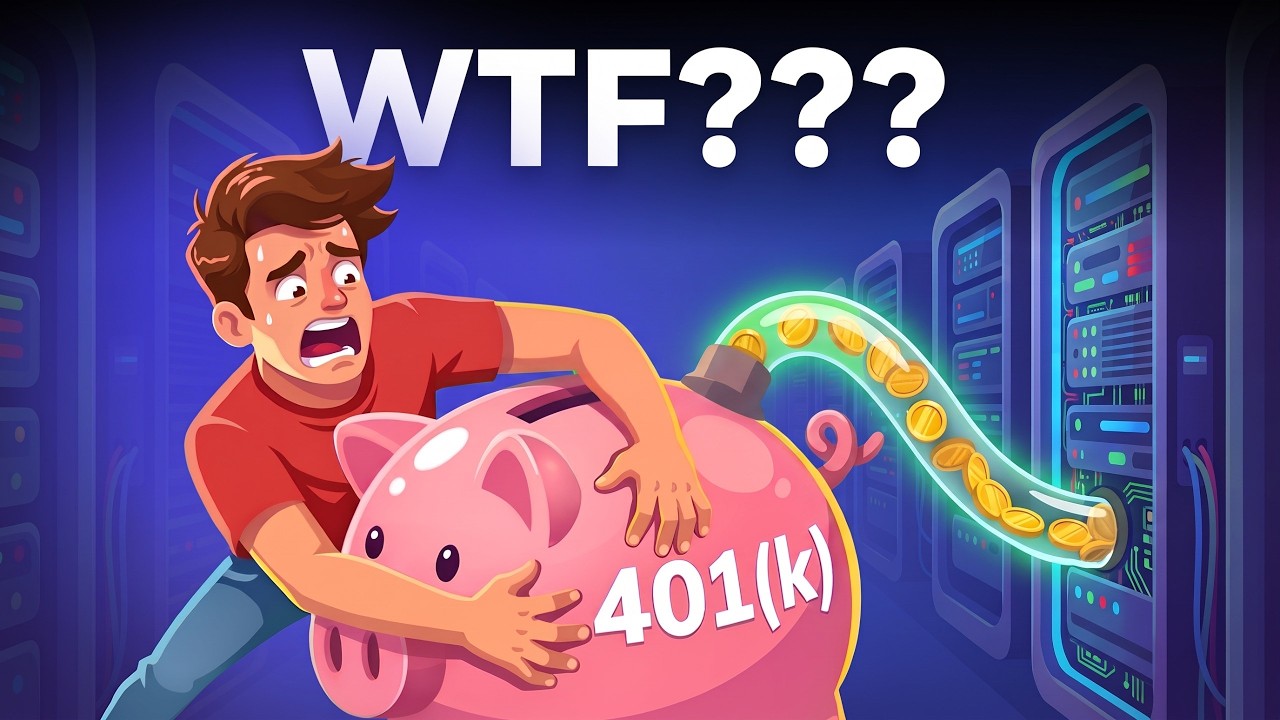
The video reveals that despite ChatGPT’s massive popularity, OpenAI is operating at an enormous financial loss, burning through billions annually to sustain its AI ambitions. In 2025 alone, OpenAI’s revenue surged to $13 billion, but its expenses soared to $34 billion, resulting in a staggering operating loss of nearly $21 billion. This financial imbalance is unprecedented in startup history, with projections indicating losses could reach $143 billion by 2029. To fund this, OpenAI transitioned from a non-profit to a for-profit entity, raising massive private investments and enabling insiders to cash out billions, leaving future investors to shoulder the risk.
OpenAI’s business model is fundamentally costly because every additional user requires expensive computing power, unlike traditional software where serving more customers costs little. To meet demand, OpenAI committed to building massive AI data centers powered by Nvidia chips, with infrastructure investments totaling over a trillion dollars. This has created a circular financial loop where Nvidia invests in OpenAI, OpenAI pays Oracle for cloud services, and Oracle buys chips from Nvidia, funneling money back to Nvidia while inflating revenues across all companies involved. However, Nvidia also guarantees billions in financing for OpenAI’s data centers, tying its financial health closely to OpenAI’s success.
The financial risks extend beyond the companies directly involved, impacting ordinary consumers and taxpayers. The surge in AI data center power consumption is driving up electricity prices significantly, with consumers facing higher bills to support these energy-intensive operations. Additionally, OpenAI has sought government support through tax credits and potential loan guarantees, raising concerns about taxpayers indirectly footing the bill for risky corporate bets. Proposals to give the government a stake in OpenAI further blur the lines between private profit and public risk, potentially exposing taxpayers to losses if the company falters.
Investors and the broader financial market are also deeply entwined with OpenAI’s fortunes. Major tech companies heavily invested in AI influence stock market indices, meaning OpenAI’s valuation swings can affect retirement accounts and pension funds of millions who may have no direct involvement with the company. Upcoming regulatory changes will likely force index funds to buy OpenAI stock soon after its anticipated public offering, compelling ordinary investors to participate regardless of the company’s financial stability. This creates a scenario where early insiders profit while everyday investors bear the downside risk.
Ultimately, the video underscores that while OpenAI’s AI advancements could revolutionize technology and generate massive future returns, the scale of financial risk and loss is unprecedented and widely distributed. The burden of funding this AI arms race is shifting from venture capitalists to chipmakers, cloud providers, utilities, governments, and ordinary consumers. The critical question is not if OpenAI will succeed, but who will pay the price if the anticipated AI future takes longer to materialize or fails to deliver expected returns.
Useful Links