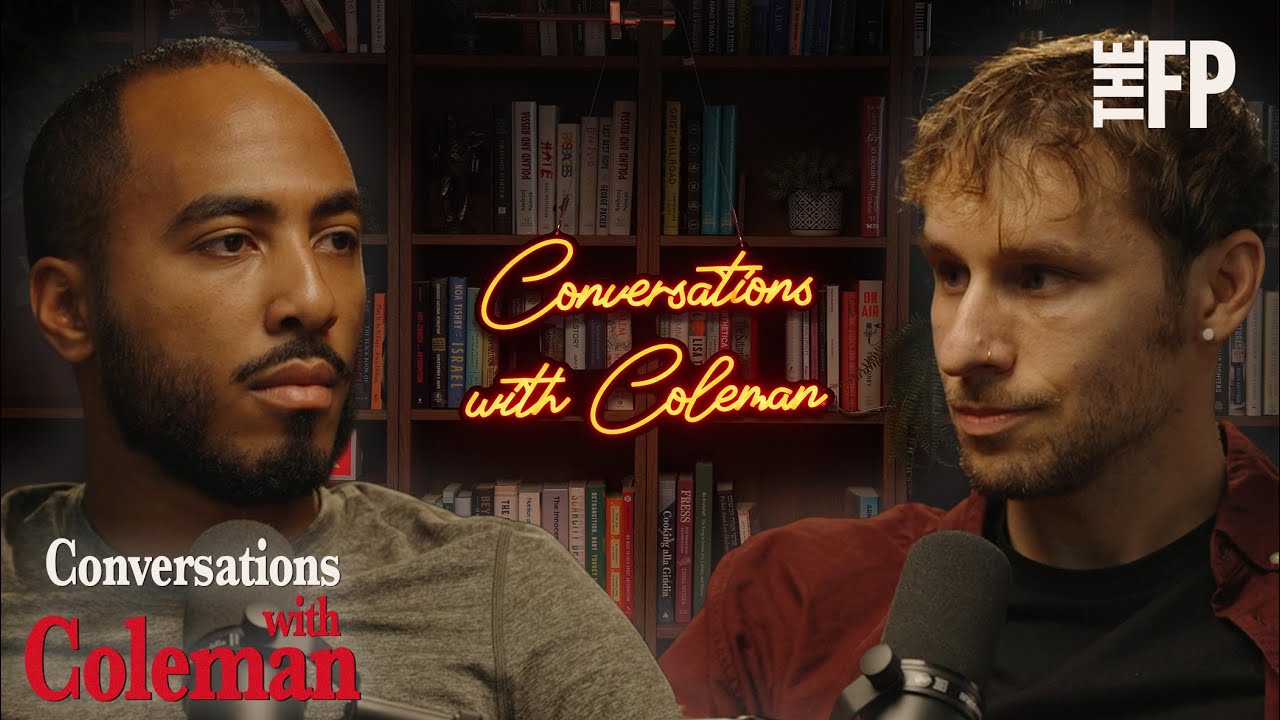
In this episode of Conversations with Coleman, Adam Satella, author of “That Book is Dangerous: How Moral Panic, Social Media, and the Culture Wars Are Remaking Publishing,” discusses the impact of wokeness and social justice ideology on the publishing industry, particularly in young adult fiction. Satella explains the rise of sensitivity readers—individuals who share marginalized identities with characters in a manuscript and are hired to identify potentially offensive or problematic content. This relatively new phenomenon, emerging around 2016, has become widespread across major publishers and even journalism, despite lacking formal qualifications or standardized training. Sensitivity readers often operate within a framework of race reductionism, assuming that only those who share an identity can authentically represent it, which has led to complex and sometimes contradictory outcomes.
Satella highlights the paradoxical nature of sensitivity reading, where efforts to ensure cultural authenticity can inadvertently reinforce stereotypes and even racism. He cites examples such as the widely praised YA novel “The Hate U Give,” which, despite its acclaim, contains stereotypical portrayals of Black characters. The industry’s approach often forces authors to navigate a narrow path between stereotyping and colorblindness, with sensitivity readers acting as a form of “disaster insurance” to avoid backlash. However, this system is fraught with inconsistencies, as different sensitivity readers may have conflicting views, and the criteria for what is considered offensive or authentic are often vague and shifting.
The conversation also delves into the challenges of portraying bigoted characters in contemporary publishing. Satella notes that while historically literature has included complex, flawed characters who express racist or sexist views, modern publishers and sensitivity readers often pressure authors to ensure such characters face clear consequences or are countered within the narrative. This trend limits the complexity and realism of storytelling, as it discourages nuanced depictions of flawed individuals and reduces literature’s capacity to reflect the messy realities of human behavior. Satella argues that this sanitization diminishes artistic freedom and the richness of literature.
Another significant issue discussed is the ideological homogeneity of the publishing industry, which leans heavily left and is often hostile to conservative perspectives, especially in fiction. While conservative nonfiction finds outlets within certain imprints, conservative novelists are notably scarce in mainstream publishing. Satella suggests that this imbalance may be partly due to psychological and cultural factors influencing reading and writing preferences, as well as the industry’s gatekeeping practices. The dominance of progressive ideology shapes not only what stories are told but also who gets to tell them, reinforcing a narrow cultural narrative.
Finally, Satella contrasts the “soft censorship” occurring within publishing—driven by social media mobs, sensitivity readers, and internal industry pressures—with more overt, legislative censorship seen elsewhere. He warns that this internal policing stifles creative freedom and leads to self-censorship, with publishers and authors preemptively avoiding controversial topics to evade backlash. This environment threatens the diversity and vitality of literature, as it prioritizes ideological conformity over artistic merit. Satella calls for greater intellectual freedom and entrepreneurial efforts to create alternative publishing spaces that resist these restrictive cultural trends.