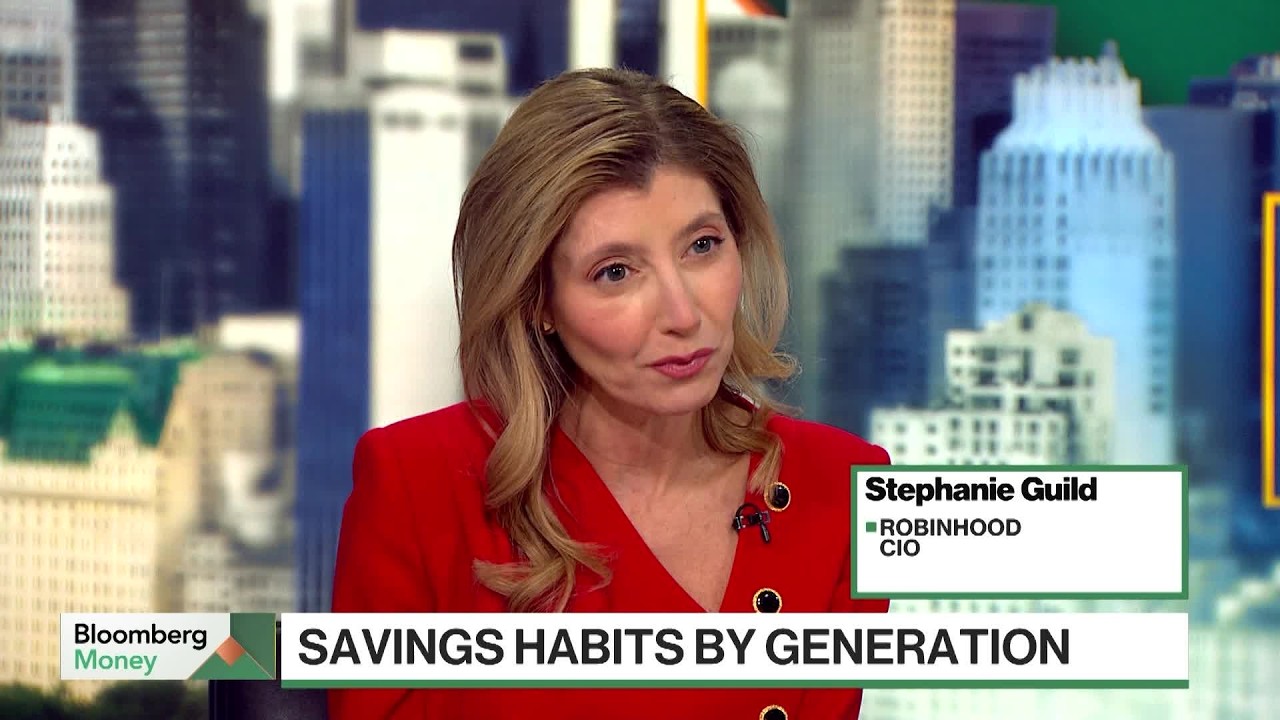
Robinhood is witnessing a strategic shift among retail investors who are leveraging AI-driven trading accounts to diversify portfolios, moving funds from consumer stocks to tech and semiconductor sectors while balancing active trading with long-term planning. This evolving investor behavior, set against a backdrop of cautious market sentiment and rising interest rates, highlights growing trust in managed solutions and a focus on sustainable wealth building amid market volatility.
The recent developments at Robinhood highlight an intriguing shift in retail investor behavior, particularly in the AI and tech sectors. Customers have been capitalizing on market pullbacks by selling high-profile stocks like Tesla and reallocating funds into semiconductor companies such as Micron and Intel, while also moving away from consumer-oriented stocks like Nike and General Mills. This trend reflects a strategic repositioning within portfolios, influenced by evolving market dynamics and investor sentiment.
Robinhood’s innovative launch of AI-driven trading accounts marks a significant advancement in retail investing. These accounts allow users to create separate portfolios managed by AI agents, with funds segregated from their main accounts. The platform supports integration with various agenda providers and offers subscription-based data protocols (MSPs) to enhance decision-making. Although still new, this feature is gaining traction among younger investors, who are experimenting with AI to navigate the complexities of the market.
Investor behavior on Robinhood reveals a blend of active trading and long-term planning. While younger traders exhibit high portfolio turnover rates, reflecting a desire for quick gains, there is also a noticeable shift towards maturity and knowledge. Many users maintain diversified “buckets” of investments, balancing high-risk opportunities with long-term retirement accounts. Robinhood manages a substantial portion of assets through its own strategies, indicating growing trust in managed solutions alongside self-directed trading.
The broader market context shows a cautious yet opportunistic investor base. Despite nearly $8 trillion sitting in money market funds, this cash is viewed as a standby asset class rather than idle capital, influenced by rising interest rates. Investors remain skeptical about persistent inflation and are motivated to seek double-digit returns to preserve purchasing power. This mindset drives a focus on long-term wealth building, with some individuals relying solely on investing as their primary financial strategy.
Concerns about portfolio concentration and margin use persist, but Robinhood’s data suggests that while individual accounts may show concentrated holdings, the overall market remains diversified. The popularity of “meme stocks” is reframed as a reflection of investor enthusiasm rather than poor company fundamentals. Additionally, there is growing interest in short-term treasuries and yield-generating sweep programs, as investors seek stable returns amid market volatility. Overall, Robinhood’s evolving ecosystem illustrates the complex interplay between innovation, investor psychology, and market forces.
Useful Links