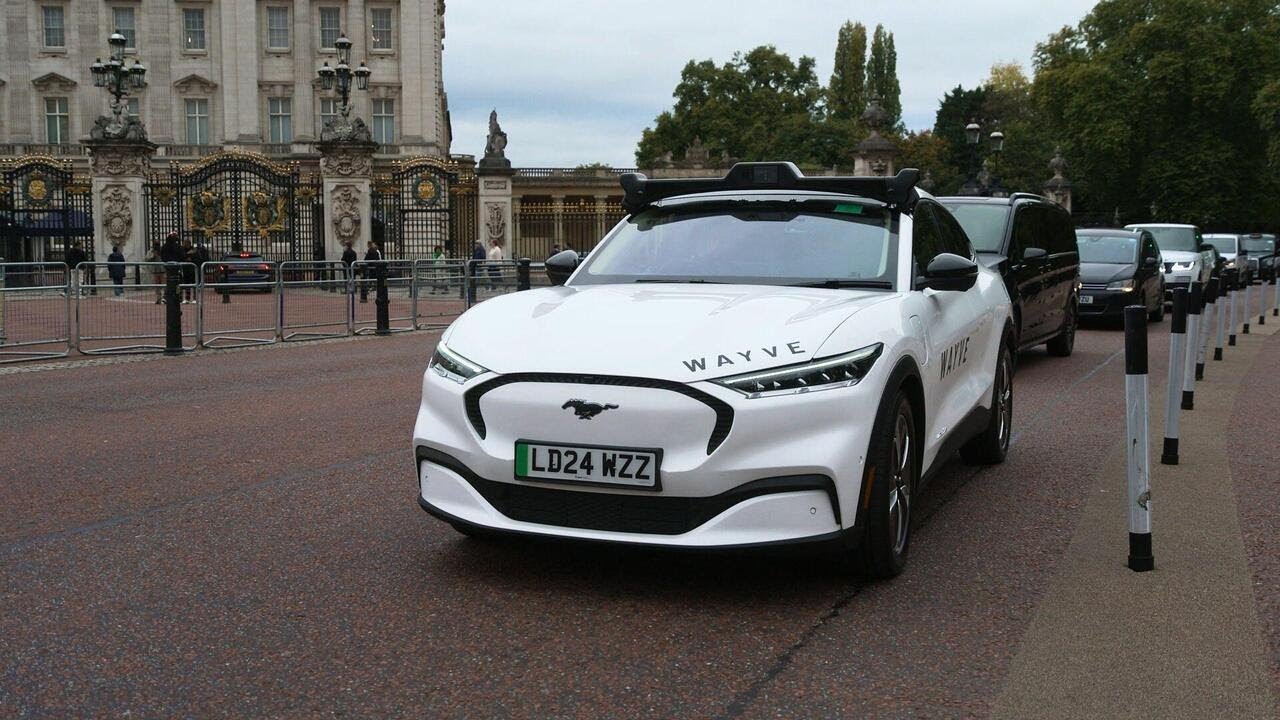
In London, a clash is emerging between the city’s iconic black cab drivers and the rise of AI-powered autonomous taxis. Black cab drivers, known as cabbies, pride themselves on their extensive knowledge of London’s complex streets, having to memorize 25,000 streets, landmarks, and businesses to pass the rigorous “knowledge” test, a tradition dating back 161 years. This deep understanding of the city, which even changes with new businesses, is seen as a uniquely human intelligence that cabbies believe cannot be matched by AI or GPS technology.
The knowledge test is notoriously difficult, requiring years of study and oral exams where candidates must recite the shortest routes between random points in London. This intense memorization has even been shown to physically change the brain structure of cabbies, enhancing their memory. Despite the challenge, hundreds still attempt the test each year, driven by pride in their profession and the cultural significance of black cabs in London.
Meanwhile, autonomous taxi companies like Whimo and Wave are preparing to introduce their AI-driven vehicles to London’s streets. Whimo, backed by major tech firms, claims their robo taxis are five times safer than human drivers, supported by extensive real-world and simulated driving data. Their vehicles use a sophisticated array of sensors and AI to navigate complex environments and react quickly to unexpected situations, although they have faced some operational challenges and regulatory scrutiny in the US.
Wave, another AI startup, takes a different approach by training its AI to understand driving concepts rather than relying on pre-mapped cities, allowing their vehicles to adapt to new environments in real time. Both companies are still in testing phases in London, with human safety drivers present, but they represent a significant technological shift that could reshape urban transportation.
Despite the technological advances, many aspiring and current cabbies remain skeptical about the future of autonomous taxis. They emphasize the irreplaceable value of human judgment, intuition, and the personal trust built with passengers. For many, the black cab is not just a mode of transport but a symbol of London’s heritage, and they are determined to keep their place on the city’s streets amidst the rise of AI.