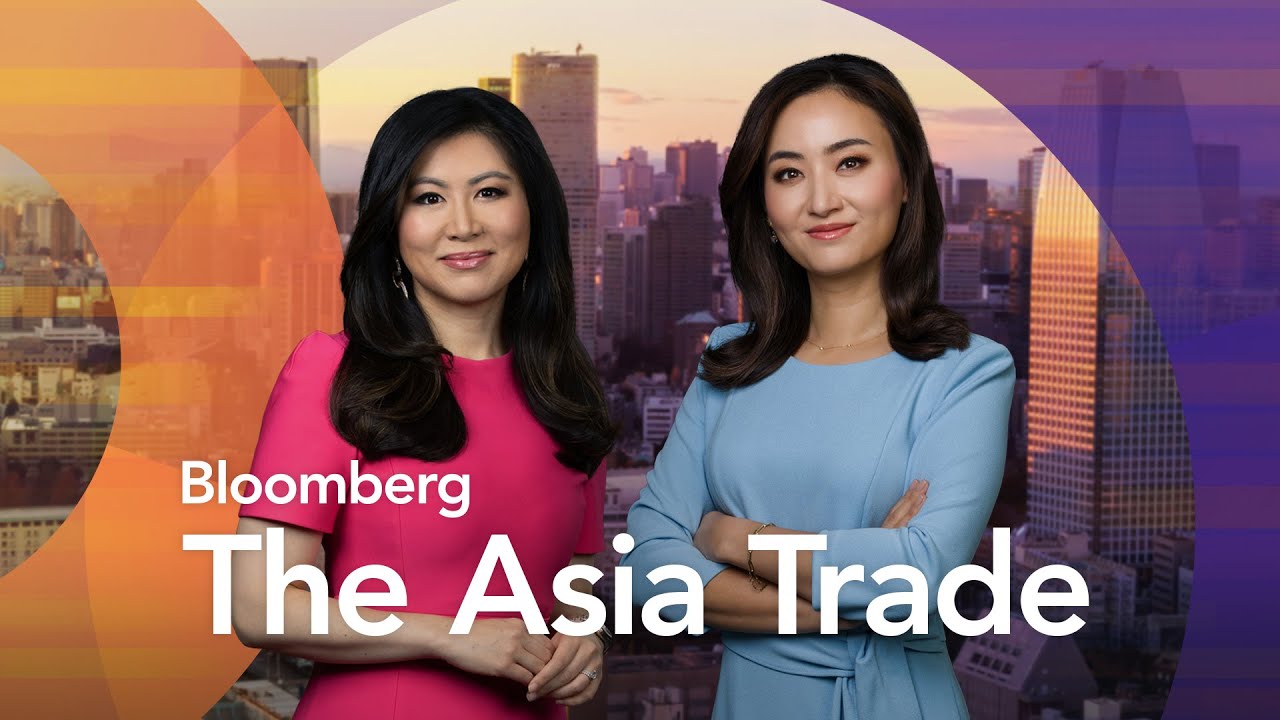
The latest edition of “The Asia Trade” highlights the surge in mega deals fueling the artificial intelligence (AI) sector, with Amazon signing a $38 billion agreement to supply OpenAI with computing power using NVIDIA processors. Microsoft has also invested nearly $10 billion in similar AI infrastructure deals, including a significant agreement with an Australian data center firm. These massive investments underscore the growing AI trade frenzy, which is influencing markets globally, including Asia. Despite this enthusiasm, broader market participation remains limited, with many stocks falling even as AI-focused companies rally, reflecting a concentrated but powerful theme in the equity markets.
In Asia, market dynamics are influenced by currency fluctuations and economic data. The Japanese yen remains weak against the U.S. dollar, hovering around the 154 level, despite official interventions to support it. South Korea reported consumer price inflation above expectations, adding pressure on the economy amid rising housing costs. Australia awaits the Reserve Bank of Australia’s (RBA) rate decision, with expectations leaning towards a hold, despite recent inflation data showing a surge. The RBA faces a delicate balance as housing market activity picks up, potentially complicating its inflation-targeting efforts.
At the Global Financial Leaders Investment Summit in Hong Kong, industry leaders expressed optimism about the region’s financial markets and wealth creation potential. Richard Oldfield, CEO of Schroders, emphasized the strength of the Greater China market and the importance of local expertise in navigating diverse Asian markets. Despite challenges in commercial real estate, particularly in Hong Kong, there is a positive outlook for residential property and a growing interest in global equities and renewable infrastructure investments. The summit also highlighted the evolving regulatory landscape for fintech innovations like stablecoins, with Hong Kong preparing to issue licenses cautiously to ensure market stability.
Goldman Sachs CEO David Solomon provided insights into the current geopolitical and economic environment, noting a constructive outlook for mergers and acquisitions (M&A) in the U.S. and the importance of maintaining a global presence, especially in China. Solomon discussed how AI is reshaping the firm’s operations, enhancing productivity through automation while still valuing human expertise. He acknowledged the challenges posed by geopolitical tensions but reaffirmed Goldman Sachs’ commitment to serving clients worldwide, adapting to changing market conditions and regulatory environments.
The program also covered significant corporate developments, including Starbucks selling a majority stake in its China unit to a private equity firm, Alphabet’s large bond sales to fund AI investments, and ongoing trade negotiations between the U.S. and China involving agricultural imports and semiconductor chip sales. The U.S. Commerce Department’s support for domestic rare-earth magnet production reflects broader efforts to strengthen supply chains amid trade tensions. Overall, the episode paints a picture of a dynamic and interconnected Asia-Pacific financial landscape, driven by technological innovation, regulatory evolution, and shifting geopolitical relationships.