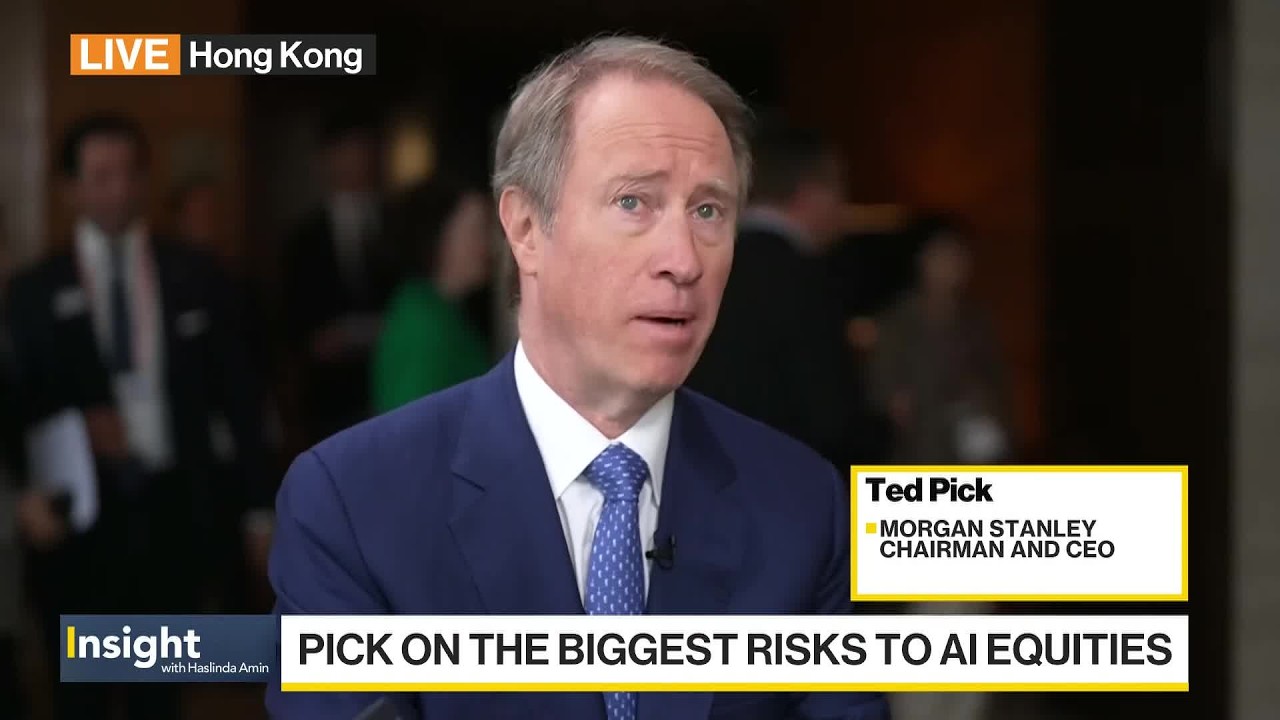
Ted Pick, Chairman and CEO of Morgan Stanley, discussed the massive investment wave in artificial intelligence (AI), projecting capital expenditures (CapEx) of $10 to $15 trillion over the next decade. He emphasized the inevitability of AI adoption at the enterprise level, driven by its undeniable technological benefits and widespread consumer use. While the timeline for this investment could vary between seven to twelve years, Pick highlighted that such spending is comparable to Asia’s current annual CapEx, making the scale of AI investment digestible over time. He also noted that AI-driven productivity gains could contribute 50 to 70 basis points to global GDP growth, reinforcing the importance of investing in intelligence.
Addressing concerns about the return on investment (ROI) for AI projects, Pick acknowledged that not every initiative will succeed, but overall, the efficiency and effectiveness gains justify the substantial capital deployment. He stressed the urgency for enterprises to invest now, as demand for computing power is outpacing supply, and falling behind technologically could be detrimental. The competitive landscape, including advancements in China and other regions, means companies must stay at the forefront to remain viable. Despite uncertainties in exact figures, Pick believes the current investment pace suggests the AI wave is still in its early stages.
Pick also touched on political and community resistance to AI infrastructure projects, such as data centers, citing a “not in my backyard” (NIMBY) phenomenon. He sees this opposition as a natural part of economic development, with some projects facing more hurdles than others depending on local politics and regulatory environments. However, he remains optimistic that partnerships between public entities and private hyperscalers will facilitate the necessary buildout, bringing jobs and economic benefits to communities. Morgan Stanley aims to help navigate these complexities by advising on capital structures and risk management to ensure projects reach completion.
Regarding the broader economic impact, Pick acknowledged concerns about AI investments potentially crowding out capital for other industries, especially in countries facing debt and deficit challenges. However, he argued that the strong cash flows of major hyperscalers and evolving financial markets, including private securities and structured products, provide ample funding options. He highlighted Morgan Stanley’s recent acquisition of EquityZen as an example of innovative financing solutions that can support AI investments without overly burdening traditional debt or equity markets. This flexibility, he believes, will help balance growth capital needs across sectors.
Finally, Pick briefly addressed Morgan Stanley’s role in the upcoming Anthropic IPO, clarifying that while the firm is not the lead left underwriter, it is jointly leading and stabilizing the stock alongside Goldman Sachs. He emphasized the collaborative nature of their partnership and Morgan Stanley’s commitment to supporting key AI companies. Overall, Pick conveyed confidence in the sustained growth and investment opportunities in AI, positioning Morgan Stanley as a trusted advisor helping clients navigate this transformative technological wave.
Useful Links