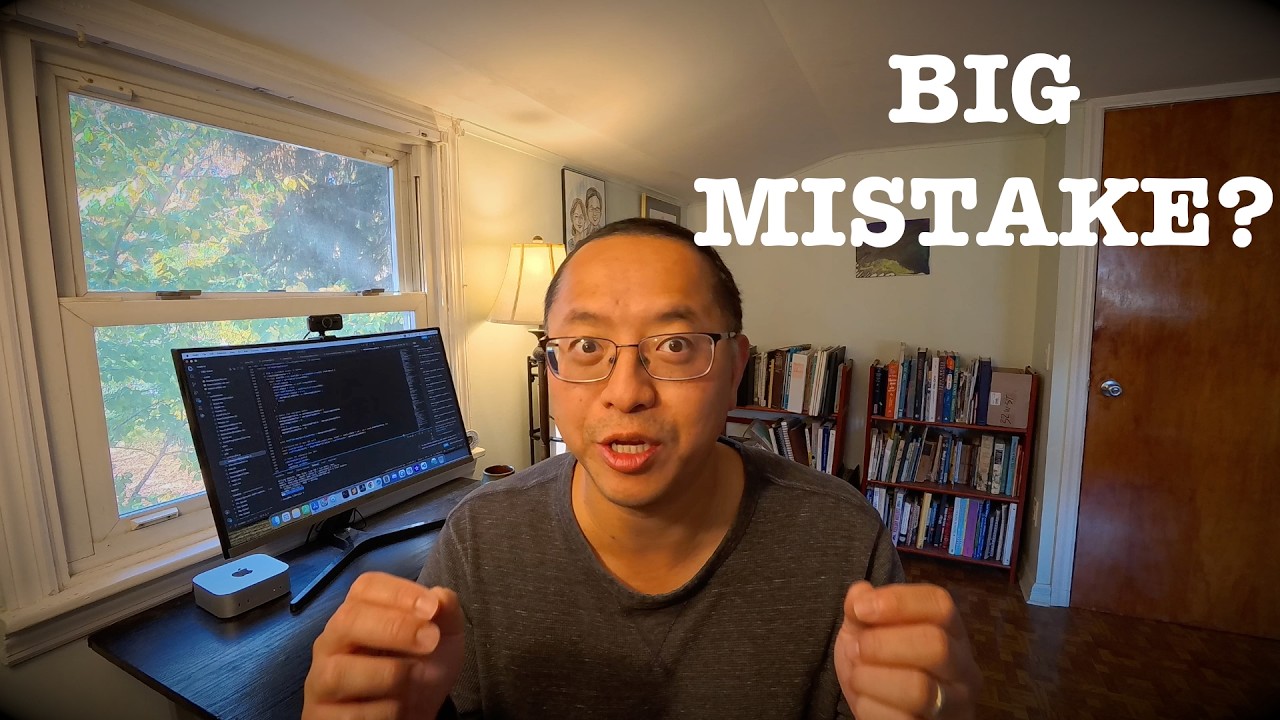
The speaker, an experienced ex-big tech software engineer now enjoying early retirement, reflects on the importance of discretion in sharing personal information. While openness is generally positive, he emphasizes that some details are better kept private to avoid potential harm. Sharing certain sensitive information with the wrong people or at the wrong time can lead to serious negative consequences, sometimes even ruining one’s life. He advocates for thoughtful consideration before disclosing personal matters.
One key area to keep private is your financial situation. Revealing specifics about your salary, investments, or net worth can attract jealousy, resentment, and unrealistic expectations from others. It can also draw opportunistic individuals such as scammers looking to exploit your success. Even friends and family may treat you differently or strain relationships over money matters. The speaker advises maintaining financial privacy to protect yourself and focus quietly on your own goals without external pressures.
Another caution is against sharing negative opinions about others, including bosses, colleagues, or family members. Venting such criticisms can backfire, damaging your reputation and relationships, especially if the information spreads or reaches the person criticized. Expressing resentment or engaging in gossip only adds negativity to your life. Instead, the speaker suggests addressing issues directly, distancing yourself from toxic people, or simply keeping such thoughts to yourself to avoid unnecessary drama.
The speaker also warns about revealing future plans prematurely, such as career changes, retirement ambitions, or relationship decisions. Sharing these plans too early can invite discouragement, criticism, or reduce your motivation to follow through. Additionally, disclosing major life changes before they are finalized can alter how others perceive and treat you, potentially undermining your efforts. He recommends working quietly on your goals and letting your results speak for themselves when the time is right.
Finally, the speaker stresses the importance of protecting your deepest personal struggles and the secrets of those close to you. Sharing vulnerabilities or private family conflicts can lead to judgment, loss of respect, or exploitation. While seeking support is important, it should be done selectively with trusted individuals. Respecting others’ privacy and keeping sensitive matters confidential helps maintain trust and healthy relationships. Overall, the message is to practice emotional intelligence by setting boundaries, safeguarding your privacy, and recognizing that silence can be a powerful and mature choice.
Useful Links