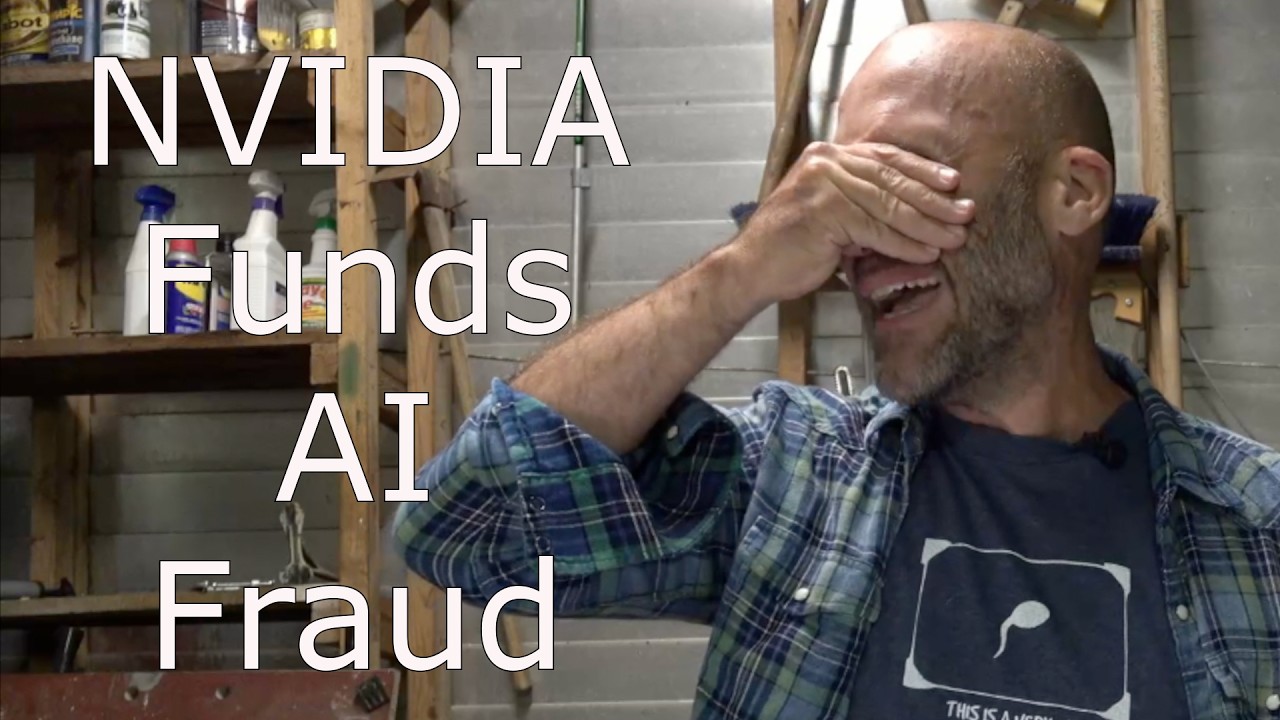
The video discusses Nvidia’s massive investment spree in AI companies, with its equity investments soaring to $99 billion in 2026, up from $7 billion the previous year. Nvidia, a highly profitable chip manufacturer valued at around $5 trillion, is using its substantial cash reserves to fund AI startups and infrastructure companies that purchase its GPUs. This creates a circular financing loop where Nvidia invests in companies that, in turn, buy more Nvidia products, sustaining the AI investment bubble. The speaker expresses skepticism about the sustainability of this cycle, warning that such bubbles inevitably burst, and this one is particularly large in scale.
The speaker highlights the broader context of AI investment, noting that traditional sources of funding like banks and other investors have become more cautious due to concerns about the AI sector’s viability. For example, Oracle had to lay off thousands of employees to free up capital for data centers to fulfill a massive contract with OpenAI, illustrating the financial strain in the industry. Despite this, Nvidia continues to pour money into AI ventures, effectively propping up the ecosystem to maintain its market dominance and stock value, which has plateaued—a dangerous sign for investors who seek growth.
A key point made is about the nature of investment rounds in startups. Ideally, different lead investors participate in successive funding rounds to provide fresh perspectives and validation. Nvidia’s dominant role in leading multiple rounds could limit this diversity, potentially skewing innovation towards Nvidia-centric technologies. This control over the AI stack raises concerns about market competition and the future shape of AI infrastructure, as Nvidia can influence startups to adopt its hardware and software solutions, potentially stifling alternative approaches.
The speaker also reflects on the historical patterns of boom and bust cycles, comparing the current AI investment frenzy to past economic bubbles such as the dot-com crash and even older examples like the canal boom and bust in the 19th century. These historical analogies serve to caution that while new technologies often bring lasting value, much of the current AI infrastructure investment may depreciate or become obsolete, similar to how canals were replaced by railroads. The speaker questions whether the AI boom will produce enduring value or simply be another massive, costly bubble.
Finally, the video touches on the cultural and societal impact of AI, noting a surprising lack of widespread enthusiasm or transformative change perceived by many, including the speaker. Unlike previous technological revolutions such as the internet or smartphones, AI’s impact feels more muted and less revolutionary to the average person. The speaker encourages viewers to critically consider Nvidia’s strategy of reinvesting profits into AI companies to sustain growth and questions the long-term consequences of this financial cycle, inviting discussion on the future of AI investment and technology development.