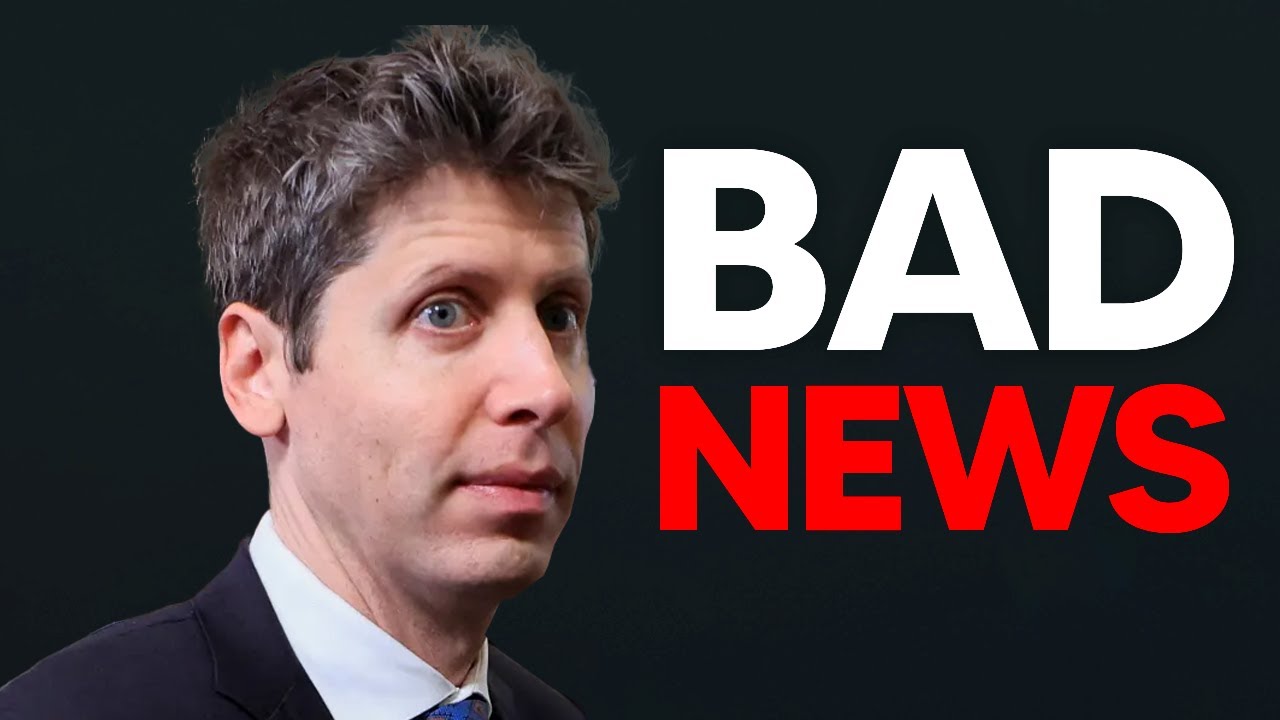
The video discusses recent concerns about OpenAI’s position in the AI race, particularly in light of Google’s impressive advancements with its Gemini 3 model. Sam Altman, OpenAI’s CEO, reportedly warned staff about potential economic challenges due to Google’s resurgence in AI capabilities. Google’s Gemini 3 has been praised for its outstanding performance in reasoning, speed, and multimodal abilities such as images and video, leading some influential figures, including billionaire CEO Mark Beoff, to switch from ChatGPT to Gemini. Despite some criticisms about Gemini’s instruction-following inconsistencies, the overall sentiment is that Google is currently pushing ahead in multiple AI domains.
The video highlights that OpenAI is facing increased competition not only from Google but also from other AI companies like Anthropic. Anthropic, founded by former OpenAI employees, is reportedly on track to generate more revenue than OpenAI this year by selling AI services to developers and businesses. Their Claude models have become popular among software developers, gaining significant market share. This competitive pressure is forcing OpenAI to rethink its strategy and focus on long-term technological bets rather than short-term dominance.
Sam Altman’s memo reveals that OpenAI plans to concentrate on ambitious projects, including a new large language model codenamed Shallot Pete, though details about this model remain scarce. OpenAI is also investing in automated AI research techniques, such as using AI to generate training data and improve reinforcement learning processes. The company appears to be aiming for the development of “omnimodels,” which can reason across multiple modalities and better understand the world, potentially leading to breakthroughs in superintelligence.
Financially, OpenAI is in a challenging position due to its high operational costs. The company is expected to burn through $115 billion by 2029, covering expenses like GPU rentals, data licensing, and research teams. In contrast, Google benefits from vast cash reserves, proprietary hardware, and extensive data center infrastructure, allowing it to offer powerful AI models at lower costs or even at a loss if desired. This financial disparity gives Google a significant advantage in sustaining long-term AI development and market competition.
Despite these challenges, OpenAI remains focused on the long-term goal of achieving superintelligence, which could ultimately redefine the AI landscape. Altman emphasizes the importance of maintaining focus on this ambitious objective, even if it means facing temporary setbacks. While OpenAI’s market share and generative AI traffic have been declining, the company’s innovative potential and strategic bets could still enable it to regain leadership in the future. The video concludes by inviting viewers to share their thoughts on the evolving AI competition and OpenAI’s prospects.