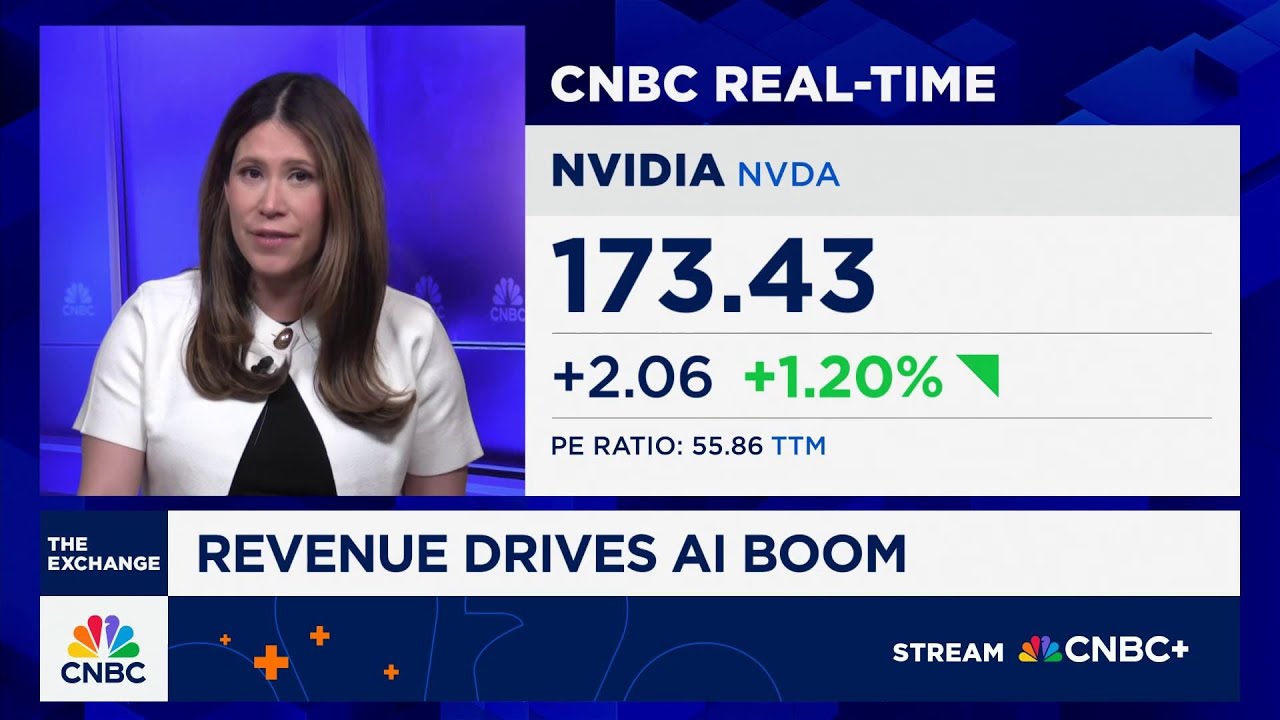
The recent surge in Taiwan’s semiconductor shares, which rose by 4% following an upward revision of their 2025 revenue forecast, signals continued heavy investment by Big Tech in chips and data centers. Despite some conflicting signals in the market—such as ASML, a key supplier of semiconductor manufacturing tools, experiencing stock declines possibly due to tariffs, while TSMC, a major chip fabricator, reports a positive outlook—there is a broader consensus that the AI sector is experiencing genuine revenue growth rather than a speculative bubble.
Examining major players like Nvidia, Meta, and Google reveals strong fundamentals underpinning the AI boom. Nvidia continues to enhance its earnings potential, especially with renewed access to the Chinese market. Meta and Google are witnessing explosive growth in AI-related usage metrics, such as token consumption, which directly correlates with increased demand for AI infrastructure. On the private side, startups like Anthropic are achieving soaring valuations, reportedly nearing $100 billion, supported by rapidly growing revenues that justify their market enthusiasm.
A historical comparison with the dot-com bubble of the 1990s shows that the current AI-driven rally is still behind the pace of that earlier boom, despite stronger fundamentals today. For instance, Nvidia’s price-to-earnings ratio is significantly lower than Cisco’s was at the peak of the dot-com era, and the overall S&P 500 valuation remains below those bubble levels. This suggests that while valuations are elevated, they are not yet at unsustainable extremes, and the AI sector’s growth is largely supported by real infrastructure investments and technological advancements.
However, risks remain that could impact the sustainability of this growth. The AI trade depends heavily on continued massive spending, which is not guaranteed. Potential challenges include escalating tariffs, geopolitical tensions with China, and the possibility of investors becoming impatient for returns on investment. Additionally, companies like ASML may be signaling underlying issues that are not yet fully apparent in the broader market, highlighting the fragility of the current momentum.
In summary, while the AI boom is underpinned by strong revenue growth and robust demand across both public and private markets, it is not without vulnerabilities. The current valuations, though high, are justified by tangible earnings and infrastructure spending, distinguishing this rally from past speculative bubbles. Nonetheless, investors should remain cautious of external risks and market dynamics that could quickly alter the landscape. The overall outlook suggests there is still room for growth, but with an awareness of the potential for rapid shifts in sentiment or policy.