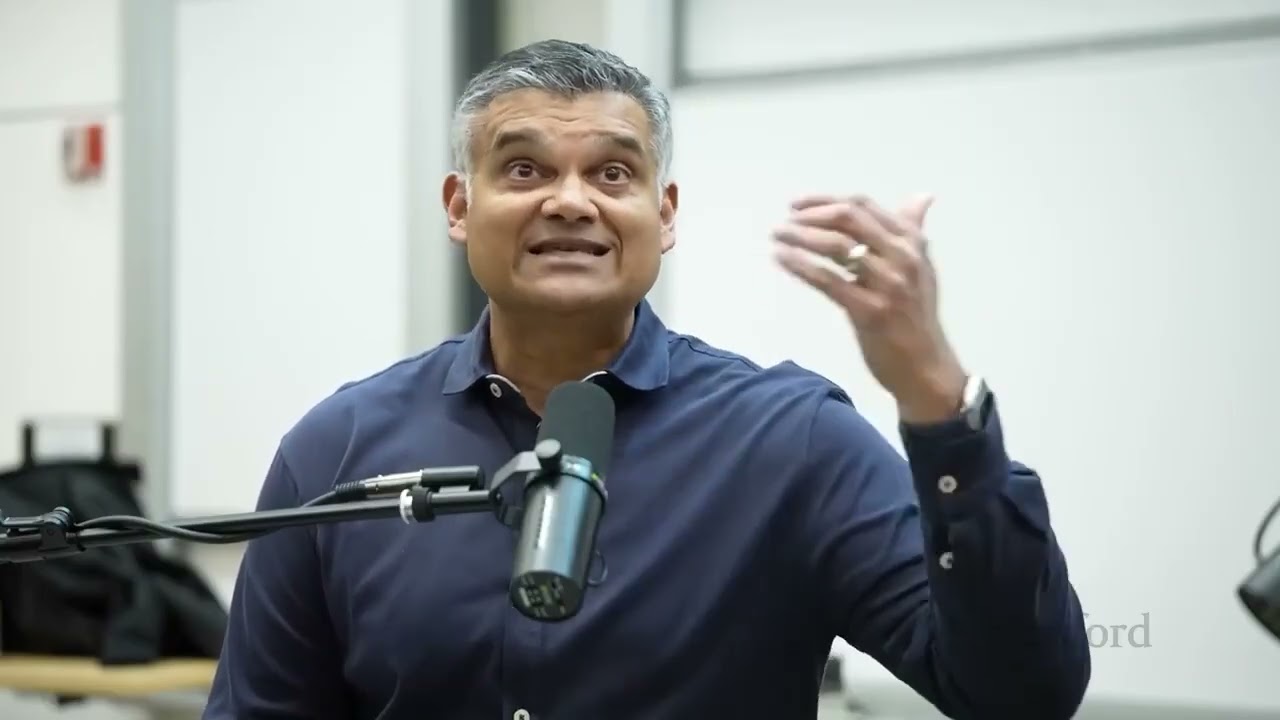
In this session, Nikhyl Singhal discusses the evolution and current state of product management, emphasizing how the role has transformed over the past two decades. Traditionally, product management involved creating structured product requirement documents and managing processes between engineering and sales teams. However, in consumer tech companies, product decisions were often driven directly by founders or close collaborations between designers and engineers, as seen in companies like Apple. Today, these roles are merging, with designers increasingly able to code and engineers taking on more product responsibilities, especially with the advent of AI tools that streamline information flow and decision-making.
Singhal outlines the typical lifecycle of product management within companies, starting from the early stage where founders focus on rapid experimentation to find product-market fit. At this phase, formal product management roles are minimal. Once product-market fit is achieved, product management shifts to establishing processes and consistency to scale the product and organization. In hypergrowth phases, product managers help scale and expand product lines, requiring larger teams and more structured management. Finally, in late-stage big tech companies, product management must address innovator’s dilemma by fostering new zero-to-one innovations despite the challenges of large organizational inertia.
The conversation also touches on the impact of AI on product management and engineering roles. AI is enabling faster iteration, better customer insights, and automating many information-moving tasks traditionally done by product managers. This shift is empowering individual contributors to be more hands-on and creative, reducing the need for middle managers who primarily move information without adding strategic value. Singhal highlights that while layoffs have affected many product managers, the demand for skilled product builders who can leverage AI and make strategic decisions is higher than ever, with salaries for top talent rising significantly.
Singhal shares insights from his experience founding Skip, a talent agency-like community for product leaders, which aims to help product professionals navigate their careers in a rapidly changing tech landscape. He stresses the importance of career management, advising students and early-career professionals to think beyond their first job and focus on building a sequence of roles that maximize growth, impact, and happiness. He also emphasizes the value of staying current with modern tools and maintaining strong professional networks to thrive in the evolving industry.
Finally, Singhal offers practical advice for students and early-career professionals, encouraging them to focus less on grades and more on developing a systems programming mindset, being hands-on with modern technologies, and building meaningful connections. He reflects on his own college experience, noting that the most valuable skills were learning to navigate unstructured problems and collaborating with peers. He concludes by highlighting the importance of continuous growth and being in environments that challenge and pull individuals forward, cautioning against complacency and encouraging a mindset of lifelong learning and adaptability in the AI era.