The video examines the debate over AI creativity, revealing that AI-generated outputs are highly predictable and often lack true originality despite excelling in elaboration and speed. It highlights differing views on whether AI can genuinely create new ideas or merely remix existing ones, ultimately expressing ambivalence about AI’s current creative capabilities.
The video explores the ongoing debate about whether AI is truly creative or simply remixing and reproducing what it has been trained on. Notable figures like Noam Chomsky criticize AI models like ChatGPT as high-tech plagiarism, while others such as Sir Alman and David Deutsch argue that creativity is essentially modifying existing ideas, a process AI can perform. The discussion highlights differing perspectives on the nature of creativity and AI’s role in it.
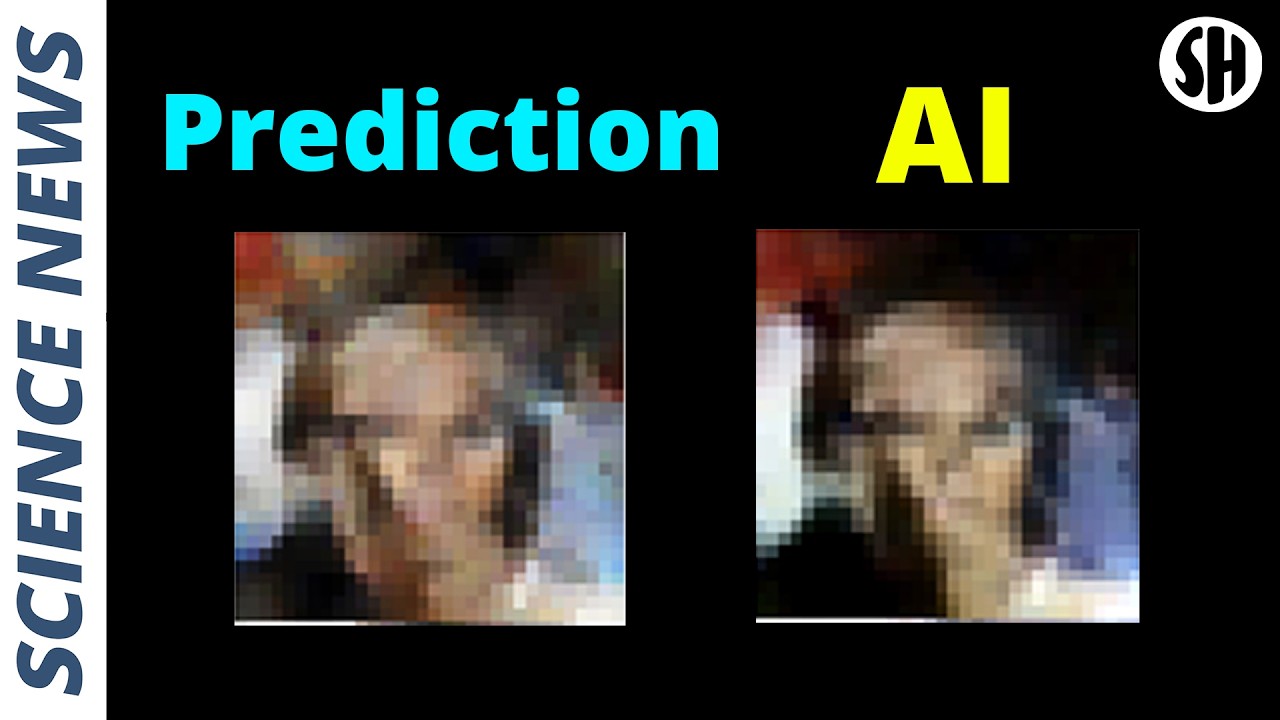
A recent study on diffusion models, which are used for AI image generation, reveals that the creative process of these models is highly predictable. By using a random seed and access to training images, researchers could accurately predict the final output without complex neural network training. This finding challenges the notion of AI creativity as emergent and mysterious, suggesting instead that AI creativity may be more mechanical and constrained than often assumed.
Despite this, multiple studies have shown that humans often rate AI-generated ideas as more creative than those produced by humans, especially in tasks like essay writing, gift ideas, and brainstorming alternative uses for objects. However, AI models tend to excel in elaboration—producing detailed and numerous ideas—but often lack originality, frequently recycling existing concepts. Interestingly, some studies even use AI to rate creativity, raising questions about the reliability and objectivity of these assessments.
The video also discusses the speed advantage AI has over humans in generating ideas, which can make AI appear more creative simply because it produces more content faster. When AI models are tested multiple times, their collective creativity can match or exceed that of several humans combined, highlighting an inherent imbalance in comparing human and machine creativity. This leads to a proposed distinction between the “easy problem” of machine creativity—creating outputs that appear creative—and the “hard problem,” which questions whether AI can generate genuinely new ideas independently.
In conclusion, the video’s host remains ambivalent about AI creativity. While agreeing that creativity involves modifying existing ideas and that machines can participate in this process, they express disappointment with the lack of true originality in current AI systems. The novelty of AI-generated creative works is fading quickly, and the host invites viewers to share their thoughts on the matter. The video ends with a brief promotion of a unique hover pen product, unrelated to the main discussion but showcasing the host’s interest in good design.