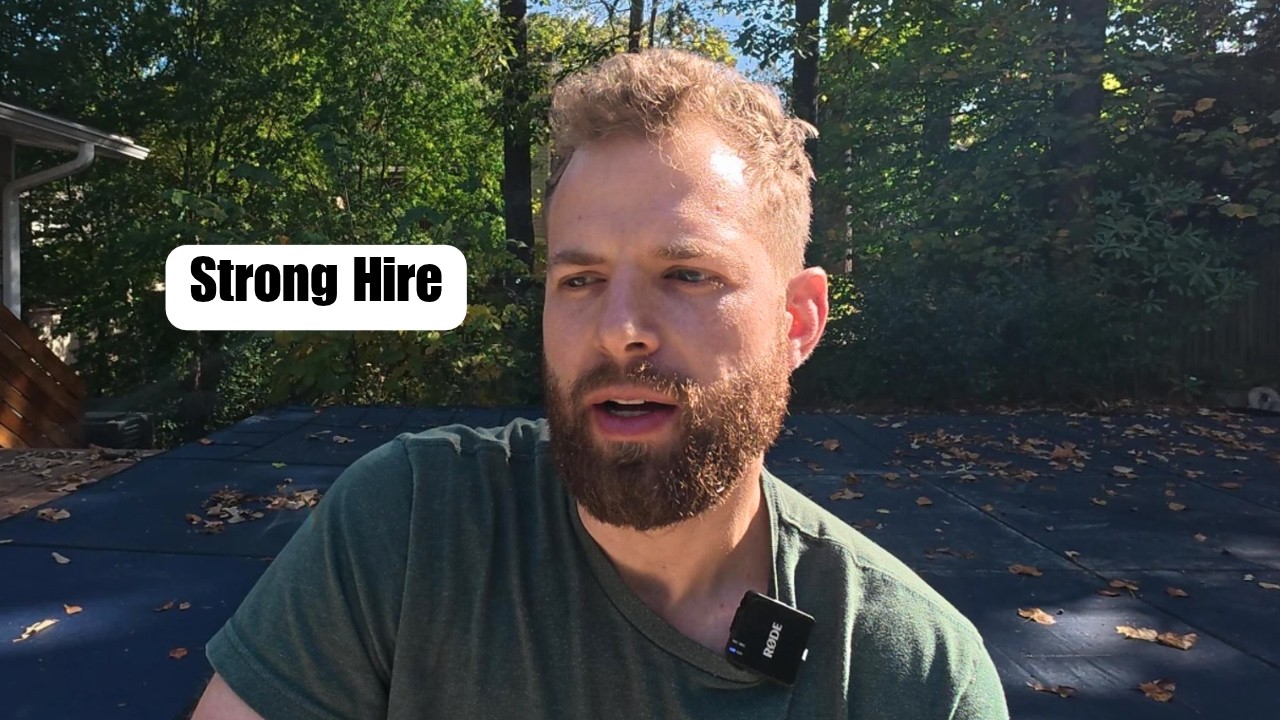
The video recounts the experience of interviewing numerous software engineering candidates for a senior-level full-stack developer position at Walmart, focusing on React and Java Spring technologies. The interviewer describes the challenging process of finding a strong candidate, as many applicants failed to meet the high bar set for technical skills, particularly in data structures, algorithms, and practical coding implementation. The interview process involved a mix of theoretical questions and hands-on coding tasks, including problems like tree and graph traversal, LRU cache implementation, concurrency handling, and React-specific concepts such as lazy loading and modularity.
After interviewing around 20 candidates without success, the interviewer finally met a developer who stood out remarkably. Despite an initially average resume, this candidate demonstrated exceptional technical prowess during the interview. He excelled in React concepts, JavaScript intricacies, and complex algorithmic challenges, consistently providing clean, well-implemented code in real-time. Notably, he seamlessly handled advanced topics like thread safety in distributed systems and graph problems with cycles, impressing the interviewer with both his knowledge and practical coding skills.
The interviewer highlights how rare it is to encounter a candidate who not only understands concepts deeply but also implements solutions flawlessly during the interview. This developer’s ability to explain his code and adapt solutions on the fly suggested genuine expertise rather than reliance on external aids like AI. The interviewer was so impressed that he immediately recommended fast-tracking this candidate for hiring, recognizing him as a “cracked” or exceptional developer who would be a perfect fit for the team.
Unfortunately, due to the bureaucratic and slow hiring processes typical of large companies, the candidate accepted another offer from Amazon before Walmart could finalize their decision. The interviewer reflects on the frustration of losing such a talented individual to a competitor, attributing it partly to the cumbersome internal procedures that delay hiring decisions. Despite this, the experience was highly rewarding, as it showcased what an ideal interview looks like when working with a truly skilled engineer.
In closing, the interviewer offers advice to candidates facing tough interview questions: often, the hardest problems are used to gauge the extent of a candidate’s knowledge once the interviewer has already formed a positive impression. He also notes that smaller companies might have an advantage in quickly securing top talent due to less bureaucratic hiring processes. The video ends with a promise to share stories of less successful interviews in the future, emphasizing the joy and excitement of interviewing a standout developer.
Useful Links