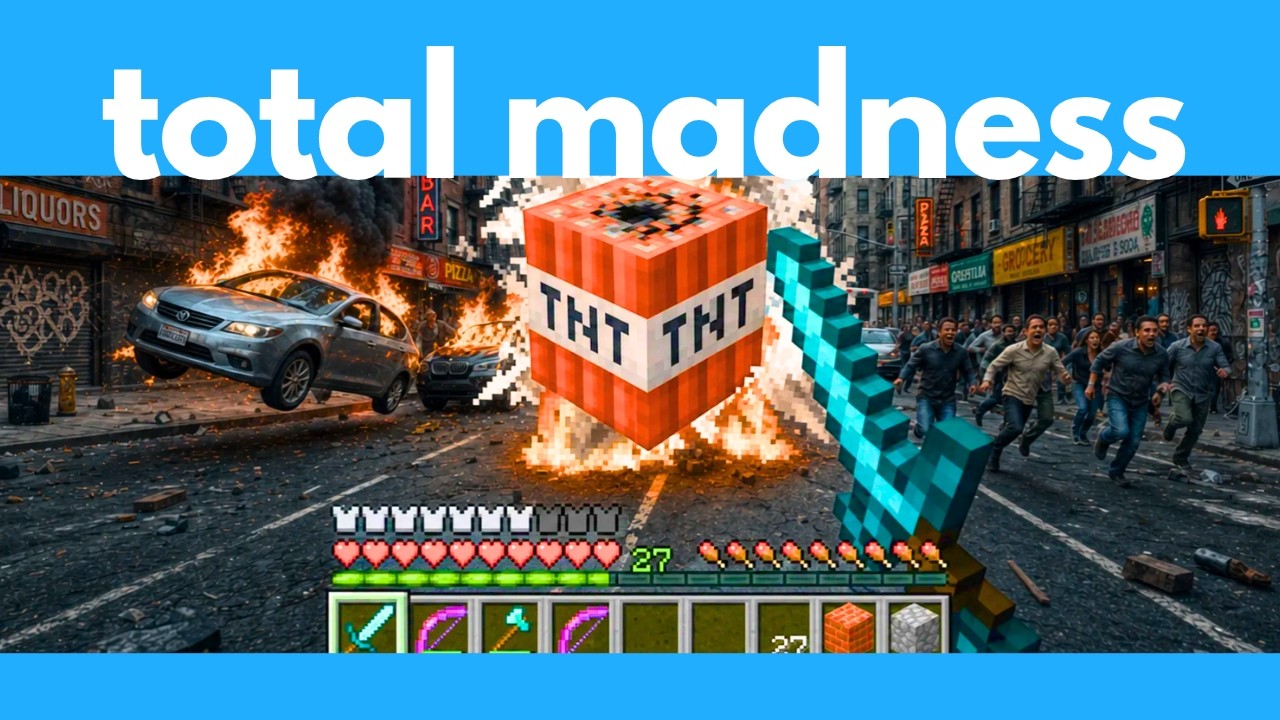
The video discusses a groundbreaking development in AI technology that is poised to disrupt the software and gaming industries by enabling seamless cloning and mashups of game characters and mechanics. Using AI, users can now combine elements from different games—such as integrating Minecraft mechanics into GTA or placing Spider-Man into a Batman game—without requiring extensive technical knowledge. This capability is made possible by advanced AI models like OpenAI’s GPT6 Astra and Claude Opus 5.5, which excel at reverse engineering software binaries with over 99% success, effectively bridging the gap between compiled binaries and original source code.
The core breakthrough lies in AI’s ability to decompile software binaries, which are the finished products of compiled code, back into readable source code. Traditionally, this gap protected proprietary software from easy copying or modification. However, AI models can now analyze binaries from games like Super Smash Brothers, Mario Kart 64, and Halo, reconstructing their underlying code. This capability extends beyond gaming to any software, potentially threatening proprietary applications like Photoshop or Microsoft Office by making them vulnerable to cloning or cracking.
The video outlines three main approaches to leveraging this AI capability in gaming. The first is the “pass through mod,” which acts as a bridge connecting two games without rewriting them, allowing mechanics from one game to function within another. Tools like Universal Modder and Reverse Engineer Anything facilitate this process by providing pre-built AI skills. The second approach involves fully rebuilding a game’s software by reverse engineering it and rewriting it in languages like Rust, enabling deeper customization and even platform migration, such as creating VR versions of classic games. The third approach focuses on extracting specific game mechanics or physics—like parkour from Mirror’s Edge—and porting them into other games, enabling innovative mashups and new game designs.
Several tools and resources are highlighted to assist users in these processes, including reverse engineering platforms like Ghidra and IDA, as well as specialized tools for .NET and Unity games. The video also promotes Runway, an AI-powered creative platform for video and image generation, showcasing how AI is transforming not just gaming but broader creative workflows. Importantly, the video stresses responsible use, discouraging illegal reverse engineering of proprietary software and encouraging users to respect software licensing agreements.
In conclusion, the video emphasizes that AI’s rapid advancement in reverse engineering is reshaping the future of gaming and software development. With AI models becoming increasingly adept at understanding and recreating complex software, the potential for innovation is vast, but so are the legal and ethical challenges. The creator invites viewers to consider these implications and stay informed through ongoing updates, highlighting the transformative impact AI is having across industries.
Useful Links