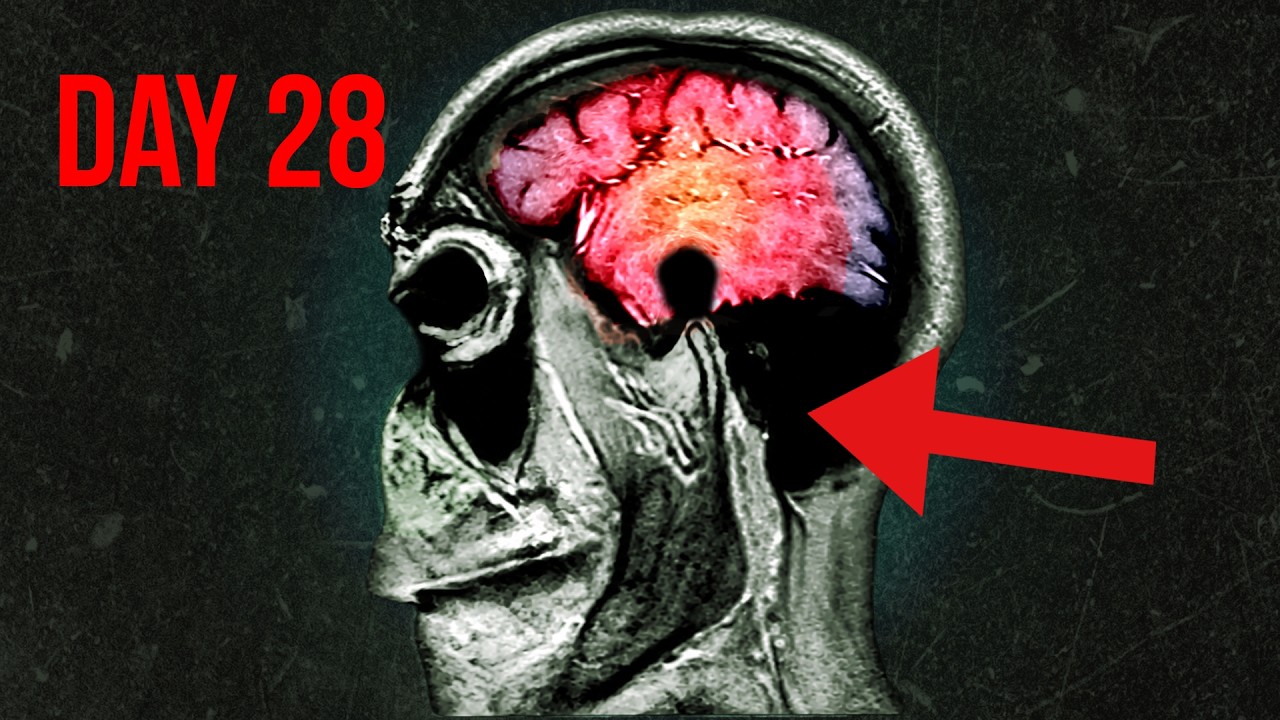
MJ, a 38-year-old doctor, initially presented to the emergency room with symptoms resembling acute sinusitis, including headaches around her eyes and nose, ear popping, and nasal swelling. Despite treatment with antibiotics and steroids, her symptoms worsened, including blurred and double vision. Multiple examinations by emergency, primary care, and ENT specialists confirmed sinusitis, but her symptoms persisted and progressed, raising concerns about other underlying causes.
As her condition deteriorated over 27 days, MJ missed a scheduled CT scan that could have revealed the true cause of her symptoms. Tragically, she was found unresponsive at home a week later, having suffered a sudden death likely caused by a high-grade glioma—a fast-growing, aggressive brain tumor located in the third ventricle of her brain. This tumor caused increased intracranial pressure by blocking cerebrospinal fluid flow, leading to headaches, vision problems, and ultimately fatal brainstem dysfunction affecting her heart and breathing.
The autopsy revealed the tumor was necrotic and hemorrhagic, infiltrating critical brain structures such as the thalamus and possibly the brainstem. This explained the mass effect causing her symptoms and the rapid decline in her health. Additionally, the examination uncovered unrelated but significant heart issues, including a benign growth and severe artery blockage, highlighting other undiagnosed health risks MJ faced.
MJ’s case underscores the difficulty in diagnosing rare but deadly conditions like brain tumors, especially when symptoms mimic common illnesses such as sinusitis. Although brain tumors are rare compared to sinus infections, the progression of symptoms despite treatment should prompt further investigation. However, even with earlier detection through imaging, the aggressive nature of her tumor meant that survival chances were slim, and treatment options limited.
Finally, the video reflects on the limitations and challenges of routine full-body scans for early detection. While such scans might catch some abnormalities, they are not always practical or beneficial for everyone and can lead to difficult decisions about treatment. MJ’s story is a poignant reminder of the unpredictability of some diseases and the importance of careful clinical judgment, while also honoring her memory and encouraging viewers to take care of their health.
Useful Links