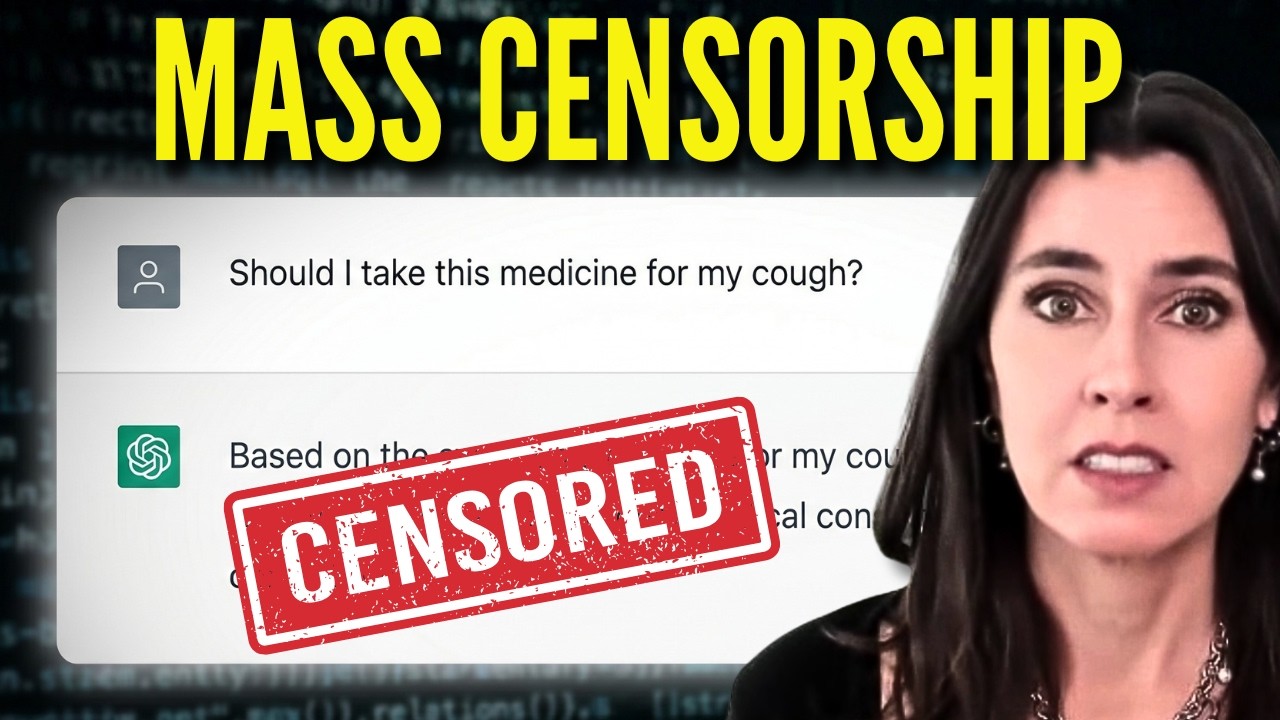
In the episode, Corbin K. Bartold argues that AI-generated content should be protected under the First Amendment to prevent government overreach and censorship, emphasizing that restricting AI speech threatens free expression and access to information. He advocates for education and market competition over heavy regulation, highlighting AI’s potential to empower marginalized communities while cautioning against paternalistic laws that could stifle innovation and civil liberties.
In this episode of Free Speech Friday, the host interviews Corbin K. Bartold, internet policy counsel at TechFreedom, about his recent paper arguing that AI-generated content should be protected under the First Amendment. Corbin approaches AI with optimism, acknowledging its rapid improvements and usefulness, while emphasizing the importance of protecting AI outputs as a form of free speech. He contends that AI-generated language is expressive and that restricting it would undermine individuals’ rights to receive information and form opinions, which are core First Amendment principles.
Corbin warns that if AI outputs are not treated as protected speech, the government could gain sweeping powers to regulate or censor AI content, potentially controlling what AI can say or must say. This could lead to dangerous scenarios where governments dictate AI narratives, limiting access to information and suppressing dissent. He highlights recent legal cases involving tragic incidents linked to AI chatbots but stresses that these do not justify discarding First Amendment protections, as causation is unclear and holding AI liable for speech could set a troubling precedent.
The discussion also covers the challenges of regulating AI, including editorial control and compelled speech. Corbin explains that AI companies have First Amendment rights to set training data and guardrails, similar to editorial decisions in media. He is skeptical of laws requiring extensive warning labels or restricting AI from providing advice in fields like medicine or law, viewing such regulations as paternalistic and protectionist, potentially harming vulnerable populations who rely on AI for accessible information.
From a progressive perspective, Corbin argues that despite valid concerns about corporate control and misinformation, AI can empower marginalized communities by facilitating access to diverse ideas, languages, and tools for activism. He cautions that government regulation of AI speech risks empowering authoritarian control over information, which historically harms civil liberties. Instead, he advocates for education and competition among AI providers as better solutions than heavy-handed censorship.
Finally, Corbin acknowledges the existence of economic bubbles and corporate struggles within the AI industry but maintains that the technology itself is here to stay and will continue evolving. He draws parallels to the dot-com crash, suggesting that setbacks do not negate AI’s long-term impact. The conversation underscores the complex balance between regulating AI’s harms and preserving fundamental free speech rights in an era of rapidly advancing technology.