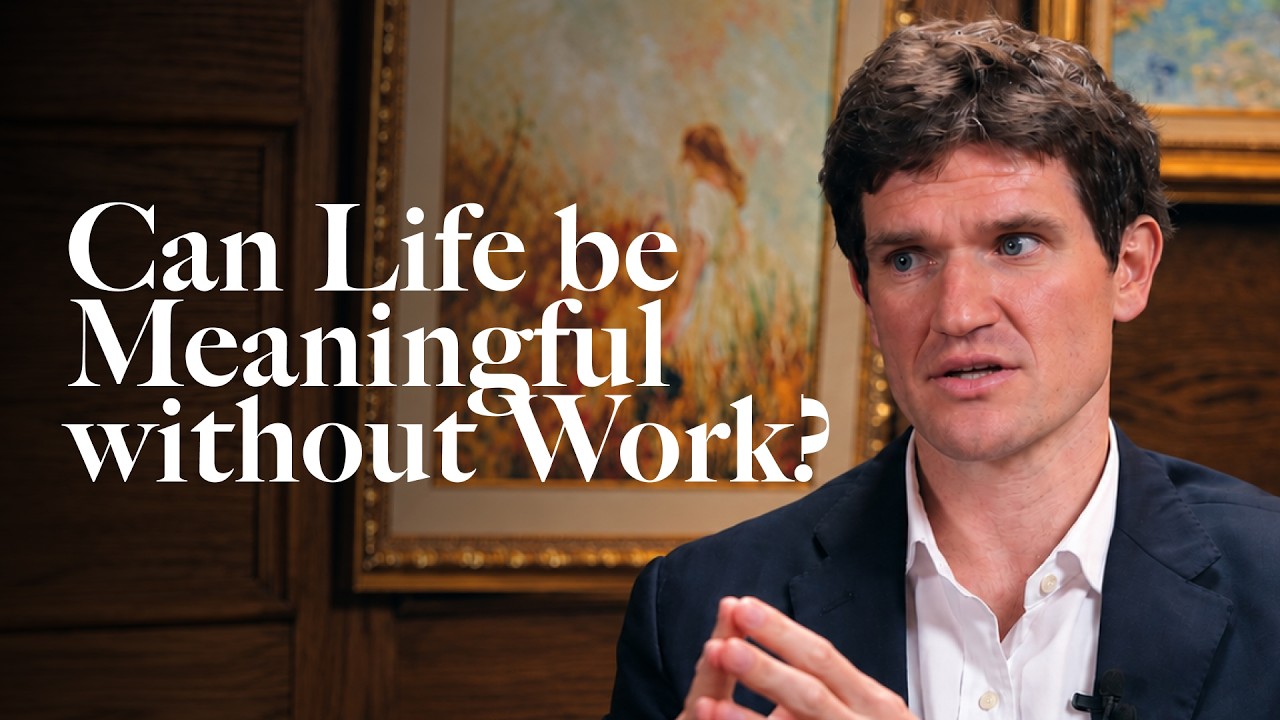
In this in-depth conversation, NYU philosopher Harvey Lederman explores the complex emotions and societal implications surrounding the rise of AI and its potential to displace human work. He acknowledges a dominant feeling of grief and dread among many professionals who fear losing jobs they are passionate about, such as scientific discovery, medicine, and philosophy. However, Lederman emphasizes that this grief over personal loss can coexist with optimism about the broader benefits AI might bring, drawing parallels to cultural losses like the decline of regional dialects in Italy, which, despite sadness, accompany improved living conditions. He distinguishes between personal grief and public pessimism, suggesting that much of the negativity about AI stems from mourning familiar ways of life rather than an objective assessment of future harm.
Lederman delves into the philosophical and historical evolution of work’s meaning, tracing its elevation from a necessary evil in ancient times to a central source of identity and prestige in modern Western culture. He discusses Aristotle’s broad conception of leisure, which included intellectual pursuits akin to work today, and contrasts this with the modern phenomenon of “workism,” where work is almost treated as a religion. The conversation touches on how commercial and intellectual work have been valorized differently over time, with figures like Machiavelli and the Protestant ethic playing roles in reshaping attitudes toward labor. Lederman also highlights early Marx’s Aristotelian-inspired view that meaningful work involves fulfilling human nature through productive engagement with others’ needs, a perspective that informs contemporary concerns about the loss of work’s formative and social functions.
The discussion then shifts to the political and economic ramifications of widespread automation. Lederman warns that if elites no longer need ordinary citizens economically due to AI-driven productivity, the incentives that currently stabilize democratic participation could erode, risking mass disenfranchisement and social upheaval. He explores game-theoretical reasons why elites might still support a strong state to protect themselves from rivals, but acknowledges the precariousness of this balance. The conversation also considers how civic virtues traditionally linked to work might be preserved or need to be reimagined in a post-work society, emphasizing the urgency of developing new cultural values and institutions that support democratic engagement and human flourishing beyond employment.
On a personal and intellectual level, Lederman reflects on the challenges and opportunities AI presents to philosophy and knowledge production. He expresses grief over the potential loss of the thrill of original discovery but also optimism that AI can enhance understanding and creativity, serving as a powerful tool for idea generation and scholarly work. He discusses the distinction between philosophy as the production of new knowledge and philosophy as a transformative practice aimed at character development and flourishing. Lederman advocates for embracing AI as a collaborator in philosophical inquiry while recognizing the need to focus on ethical reasoning and conceptual clarity to ensure beneficial outcomes for humanity.
Finally, the conversation addresses the broader existential and cultural questions raised by AI’s rise. Lederman and his interlocutor consider the possibility that humanity is undergoing a kind of midlife crisis, transitioning from a work-centered existence to one where meaning must be found in atelic activities—those valued for their own sake rather than as means to an end. They discuss the importance of destigmatizing unemployment and redefining prestige and identity outside of work, warning of potential social unrest if these cultural shifts do not occur. Lederman concludes with a call for philosophers and society at large to actively engage with these challenges, helping to envision and build a future where human dignity and democratic values endure in an AI-augmented world.
Useful Links