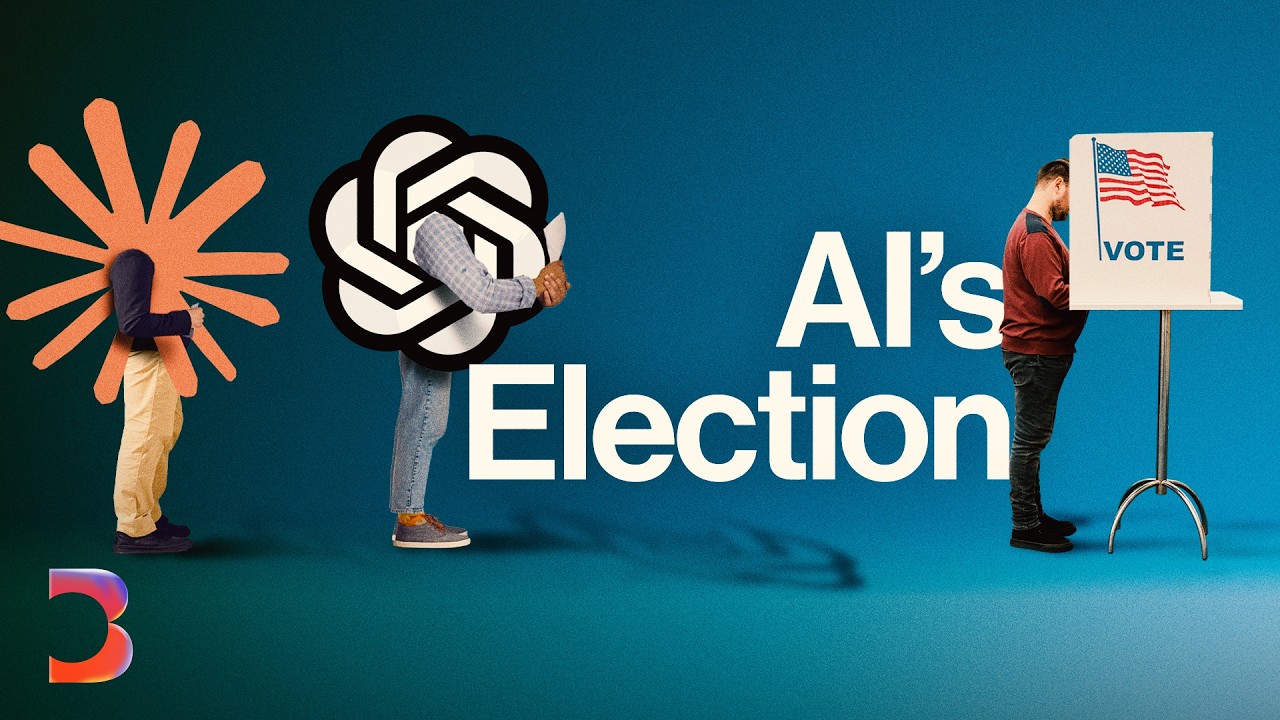
The upcoming U.S. midterm elections are heavily influenced by the growing prominence and concerns surrounding artificial intelligence (AI). Voters across party lines are anxious about AI’s impact on jobs, autonomy, and society at large, fueling a populist undercurrent in this critical election cycle. The AI industry is investing heavily in political campaigns, with AI-aligned super PACs raising nearly $300 million to support candidates who align with their regulatory preferences. This influx of corporate money is reshaping the political landscape, making the 2024 midterms the most expensive in U.S. history, and signaling a shift in how AI companies seek to influence legislation—by electing sympathetic lawmakers rather than solely lobbying.
Two major factions dominate the AI political spending scene: one advocating for minimal federal regulation to maintain U.S. leadership in AI innovation, and the other pushing for stringent safety guardrails to protect public interests. Leading the Future, a pro-AI super PAC, has raised $140 million to back candidates opposing sweeping regulations, while Public First Action, supported by AI company Anthropic with $83 million, champions stricter oversight. Both sides recognize the enormous economic stakes, with the AI industry investing trillions in infrastructure and technology, making political influence a critical part of safeguarding their investments and shaping future rules.
The use of AI itself in political advertising is transforming campaign strategies, enabling cheaper and more persuasive content production. This mirrors historical patterns of corporate influence in politics, intensified by the Supreme Court’s Citizens United ruling, which allows unlimited political spending. The AI industry’s political involvement draws parallels to the crypto sector’s recent foray into super PACs, but AI’s broader societal impact makes public opinion a more significant factor. Unlike crypto, AI affects everyday life and infrastructure, leading to widespread public scrutiny and resistance, especially regarding the construction of data centers in local communities.
Local pushback against AI infrastructure projects, such as data centers, highlights the tension between economic growth and community concerns. Residents near proposed data centers have raised issues about environmental damage, increased electricity costs, and quality of life, leading to legal challenges and regulatory hurdles. Despite massive financial investments by AI companies, public anxiety and opposition present significant obstacles that money alone may not overcome. This grassroots resistance underscores the complexity of integrating AI advancements with societal acceptance and regulatory frameworks.
The future of AI regulation remains uncertain, with deep divisions within the industry and among policymakers about the best path forward. Some experts warn of existential risks posed by AI, while others emphasize the need for balanced, effective governance that protects public interests without stifling innovation. The core question is who will write the rules governing AI’s development and deployment—the industry with its vast financial resources or elected representatives accountable to their constituents. The 2024 midterms thus represent a pivotal moment in determining the trajectory of AI policy and its role in American society.
Useful Links