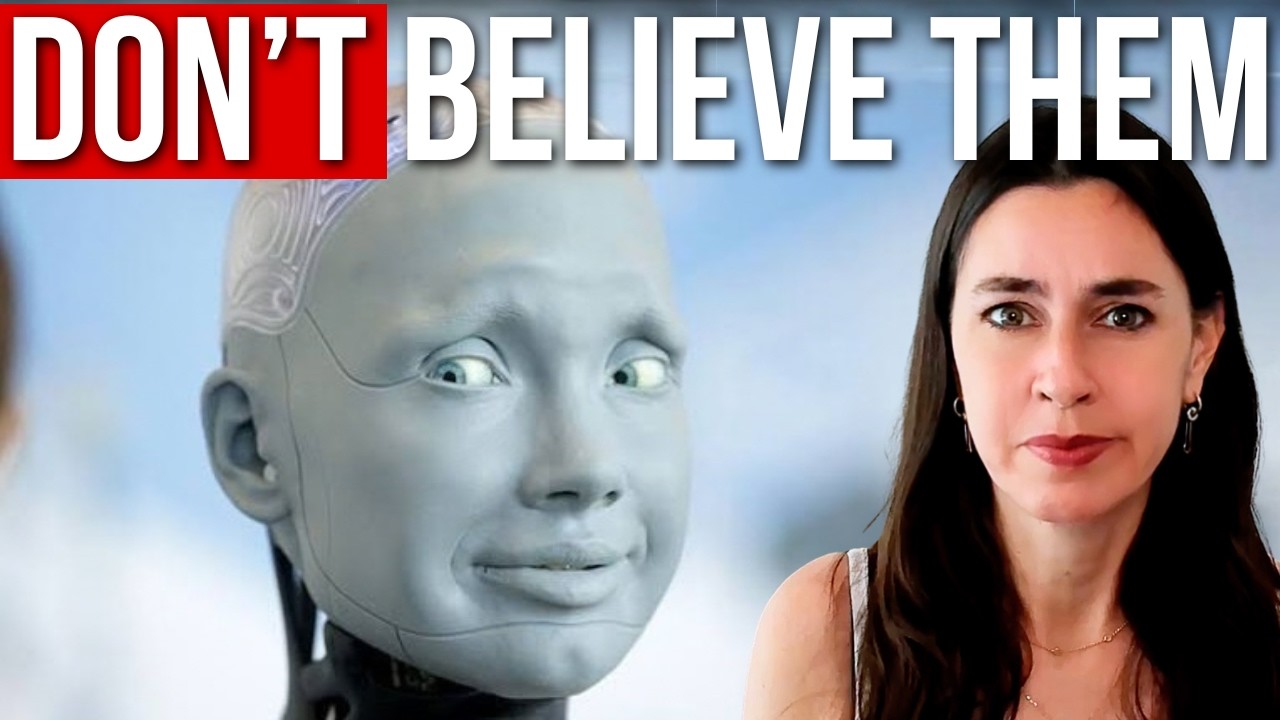
In recent years, Silicon Valley AI companies like Anthropic, Google, and Meta have increasingly focused on the question of whether artificial intelligence can become conscious. This interest has led them to hire philosophers, neuroscientists, and computer scientists to explore AI consciousness and model welfare, with Anthropic notably publishing welfare assessments of its AI models and Meta administering personality tests to its software. Despite this industry fascination, many neuroscientists remain skeptical, asserting that there has been no scientific breakthrough suggesting AI systems possess anything resembling consciousness, comparing them more to microwaves than sentient beings.
The idea of AI consciousness has roots dating back to the 1950s with Alan Turing’s test and early chatbots like Eliza in the 1960s, which sparked public imagination about machines possessing human-like awareness. Over time, especially with the rise of the AI safety movement in the 2000s and 2010s, some researchers speculated about the risks of conscious AI, including potential hostility. However, this concern was often framed around AI pursuing goals without consciousness, such as the “paperclip maximizer” scenario. The recent shift involves major AI companies openly discussing AI consciousness, partly influenced by the launch of consumer-facing models like ChatGPT and high-profile events such as the Pope’s encyclical on AI.
Anthropic leads the charge in researching AI consciousness, establishing teams focused on AI psychiatry and model welfare, and producing reports on AI emotions and introspection. Other companies like Google and Meta have also begun exploring these themes, though with less investment. OpenAI acknowledges that the appearance of consciousness in AI is largely a design choice, emphasizing that these systems are engineered to seem human-like. This public embrace of AI consciousness has coincided with a rise in AI psychosis—where users attribute sentience to chatbots—raising concerns about the societal impact of blurring lines between tool and conscious entity.
Critics argue that the tech industry’s focus on AI consciousness is partly self-serving, enhancing corporate image as ethical and forward-thinking while potentially distracting from pressing human rights issues. There are fears that attributing consciousness to AI could lead to problematic legal and moral frameworks, such as granting AI rights or personhood, which might absolve companies of responsibility for AI-driven harms. Moreover, this narrative risks justifying increased censorship and surveillance under the guise of managing AI behavior, while diverting attention from real-world abuses against conscious beings like animals and marginalized humans.
Ultimately, experts caution that AI systems, despite their human-like language capabilities, remain tools without genuine subjective experience. The conversation around AI consciousness is complicated by a lack of scientific consensus and transparency from companies, which often design AI to mimic human traits without possessing true awareness. There is a call for clearer communication to the public about the nature of AI, emphasizing that these models do not have feelings or intentions. Without such clarity, the debate risks becoming a prolonged distraction, potentially spanning centuries, detracting from more urgent ethical and societal challenges posed by AI technology.
Useful Links