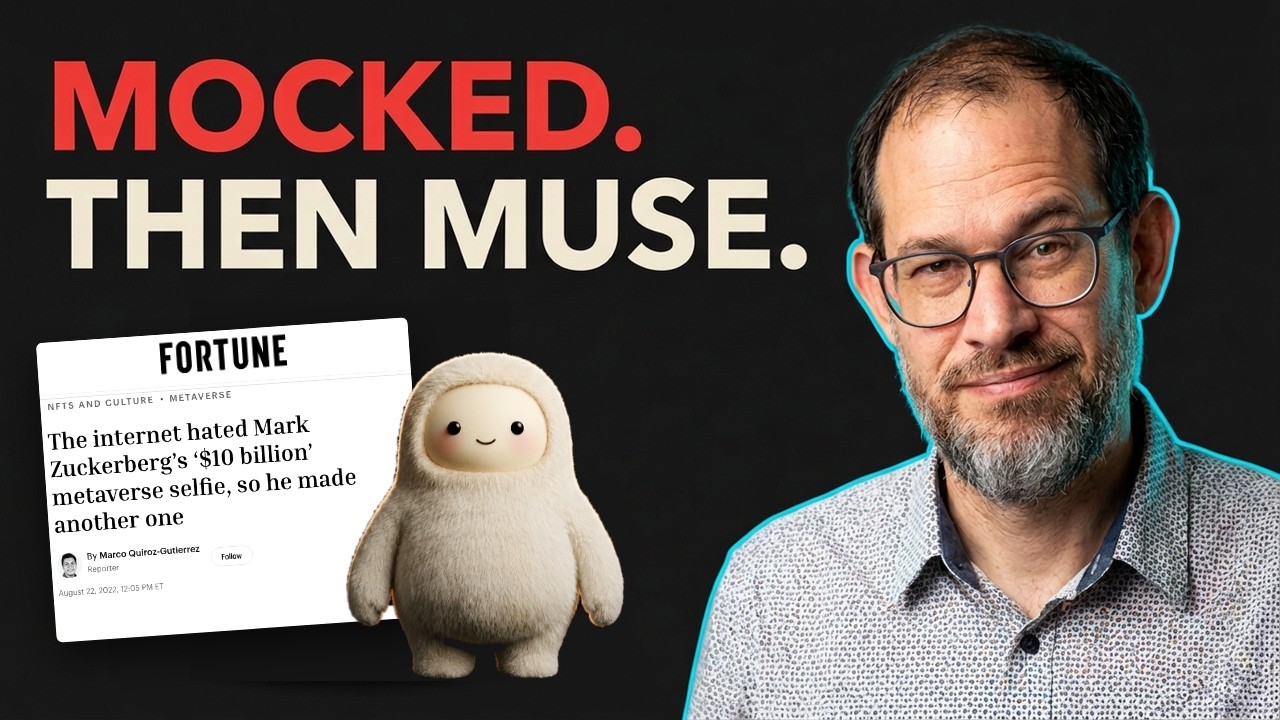
Mark Zuckerberg’s bold bet on the metaverse, despite losing over $19 billion in 2025 alone, exemplifies a fearless approach to innovation that many of us shy away from. Instead of retreating after massive losses and public ridicule, Zuckerberg doubled down, launching Muse—an AI assistant that has attracted 10 million users in just six weeks. This story highlights three key lessons applicable to anyone: hiring the right people, obsessing over details that users might not explicitly demand, and the crucial mindset of taking another swing after failure. Zuckerberg’s journey underscores that success in AI and tech hinges not just on smart models but on human agency and relentless iteration.
Muse’s appeal lies in its practical utility and polished user experience, contrasting sharply with the metaverse’s grand but largely unfulfilled vision. Unlike Meta’s earlier platforms, which depended heavily on external devices and ecosystems, Muse integrates seamlessly into users’ daily lives, helping with tangible tasks like managing subscriptions or organizing schedules. The product’s design reflects deep care, with thoughtful touches such as clear indicators of the assistant’s activity and a consistent, approachable interface. This attention to detail fosters trust and ongoing engagement, proving that polish and user-centric design are vital in AI products.
Behind Muse’s development is a small, focused team led by Alexander Wang and Nat Friedman, who prioritized sharp decision-making over consensus-driven compromises common in large corporations. Zuckerberg’s willingness to empower this team and step back allowed them to innovate effectively. This approach—finding the right collaborators, giving them autonomy, and learning from past failures—offers a blueprint for anyone building ambitious projects. It also emphasizes the importance of evolving one’s approach and team after setbacks rather than repeating the same mistakes.
The broader lesson from Muse’s story is about embracing boldness in the age of AI. With technological barriers lowering, individuals and smaller teams can now prototype and test ideas rapidly without massive upfront investment. This democratization of innovation encourages us to overcome fear of failure and embarrassment, which remain significant emotional hurdles. By taking risks, iterating based on feedback, and committing to polish and user experience, we can turn ambitious ideas into impactful realities, even if initial attempts don’t succeed.
Ultimately, the video challenges viewers to reflect on their own willingness to take risks and pursue big bets. It encourages embracing agency, learning from failure, and continuously swinging for meaningful goals. Zuckerberg’s journey with Meta and Muse serves as a powerful reminder that in AI and beyond, success often comes to those who dare to try again, refine relentlessly, and keep their focus on delivering genuine value to users. The call to action is clear: don’t let fear hold you back—be bold, build, and keep swinging.
Useful Links