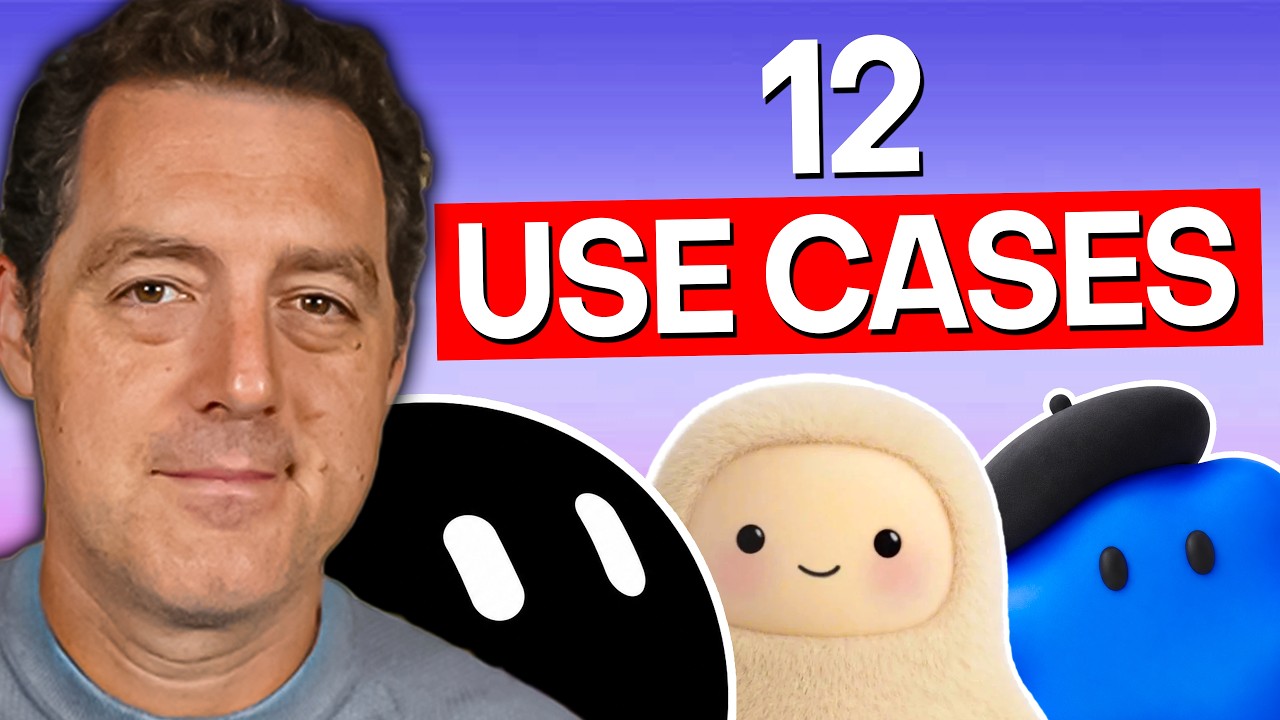
The video showcases a variety of innovative use cases for personal AI assistants like Grok Bot, Muse, and Dot, emphasizing how these tools can significantly boost productivity and simplify daily tasks. The presenter primarily uses Grok Bot and demonstrates its versatility across different domains, from managing subscriptions and negotiating bills to controlling a Tesla vehicle via API integration. For instance, the money saver bot scans emails for subscriptions, negotiates discounts, cancels unused services, and even searches for unclaimed property, saving the user substantial amounts monthly.
Another powerful application is the automation of routine digital housekeeping tasks. The computer cleanup bot regularly scans for stale, cached, or duplicate files to free up disk space without deleting anything without approval. Similarly, the daily brief bot consolidates emails, calendar events, and to-do lists into concise morning summaries tailored for work and family, helping the user stay organized. The family bot further streamlines managing children’s school and sports activities by summarizing lengthy emails, updating calendars, and sending reminders to family members, saving significant time and effort.
The video also highlights AI’s role in managing communications and meetings. The leadbot monitors multiple social media inboxes for sponsorship or partnership opportunities, categorizes messages, drafts replies, and archives spam. The meeting summary bot integrates with tools like Fathom to transcribe meetings, extract action items, and update to-do lists automatically, ensuring nothing falls through the cracks. The email triage bot efficiently sorts through multiple email accounts, auto-archiving low-priority messages and drafting replies for higher-priority ones, all while keeping the user informed.
Utility management and scheduling are also enhanced by AI. The PG&E bot analyzes electricity usage patterns, compares plans, and switches to the most cost-effective option upon approval, saving the user around $1,000 annually. The calendar assistant consolidates multiple calendars, detects scheduling conflicts, proposes reschedules, and books appointments only with explicit consent. Additionally, bots for Uber and DoorDash enable seamless ordering of rides and food, integrating with other assistants to suggest timely actions based on the user’s schedule.
Overall, the video illustrates how personal AI assistants can be customized to handle a wide range of tasks, from financial savings and household management to communication and scheduling. By leveraging APIs, email scanning, calendar integration, and proactive automation, these AI tools not only save time but also reduce mental load, allowing users to focus on more meaningful activities. The presenter provides detailed prompts and templates for each use case, encouraging viewers to adopt similar setups to enhance their own productivity.
Useful Links