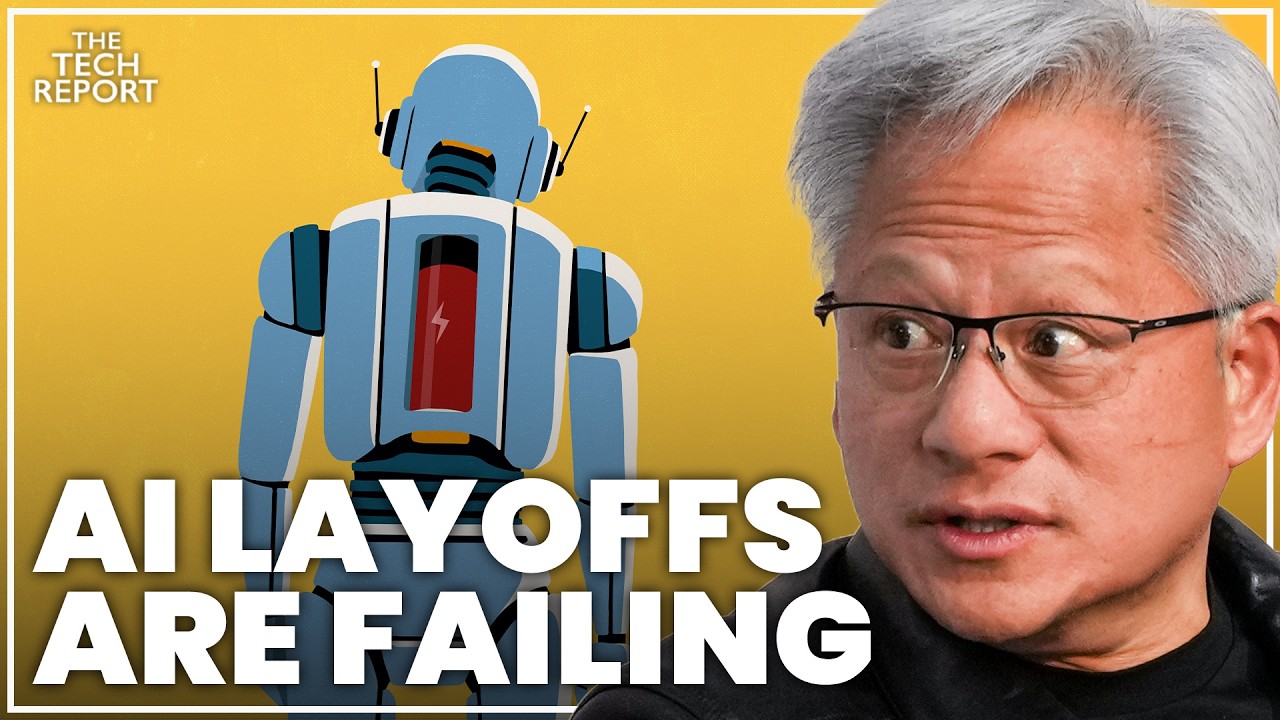
In a recent discussion on the Tech Report, Brian Merchant, author of “Blood in the Machine,” highlights findings from a survey by SHL revealing that about 20% of workers laid off due to AI integration were later rehired. This statistic underscores the premature and aggressive adoption of AI by many companies, driven by fear of missing out and hype around AI’s potential to revolutionize productivity. However, many firms rushed into layoffs without fully understanding AI’s actual capabilities, leading to productivity declines, increased work inefficiencies, and the loss of valuable institutional knowledge. Consequently, some companies have had to rehire workers to compensate for these shortcomings.
Merchant emphasizes that the employer-employee dynamic has been strained by the top-down imposition of AI tools, often mandated without considering workers’ expertise or the practical realities of their jobs. Managers, influenced by Silicon Valley hype and executive pressures, have pushed AI adoption aggressively, sometimes to the detriment of workflow quality and employee morale. This has led to alienation among skilled workers who feel undervalued and deskilled, as AI is used to justify layoffs or wage suppression, even when it fails to fully replace human labor.
The survey also reveals that returning workers often demand higher pay and job security guarantees, reflecting their increased leverage due to their unique skills and institutional knowledge. However, many workers remain skeptical or cynical about their employers’ intentions, with only about 30% wanting an apology for being laid off. This skepticism is rooted in a broader context of worker exploitation and precariousness in the modern economy, where employees expect to be expendable and undervalued, especially amid rapid technological changes.
Burnout is a significant and underreported consequence of AI integration in the workplace. Workers face increased workloads, higher productivity expectations, and the stress of adapting to new AI-driven processes that often complicate rather than simplify their tasks. This leads to emotional exhaustion and alienation, as employees struggle to maintain quality while managing the demands of AI tools that are sometimes unreliable or poorly implemented. Merchant notes that this pattern of automation leading to intensified labor rather than relief is a recurring theme throughout industrial history.
Finally, Merchant discusses the broader economic and managerial context, explaining that despite the hype, many companies have yet to see the promised productivity gains from AI. The AI industry continues to push a narrative of inevitable and transformative disruption, but the reality on the ground is more complex and often disappointing. While AI will remain a fixture in workplaces, there is a growing need for companies to recalibrate their expectations and use of AI more judiciously. The challenge lies in balancing technological adoption with protecting workers’ rights and well-being amid ongoing economic pressures.
Useful Links