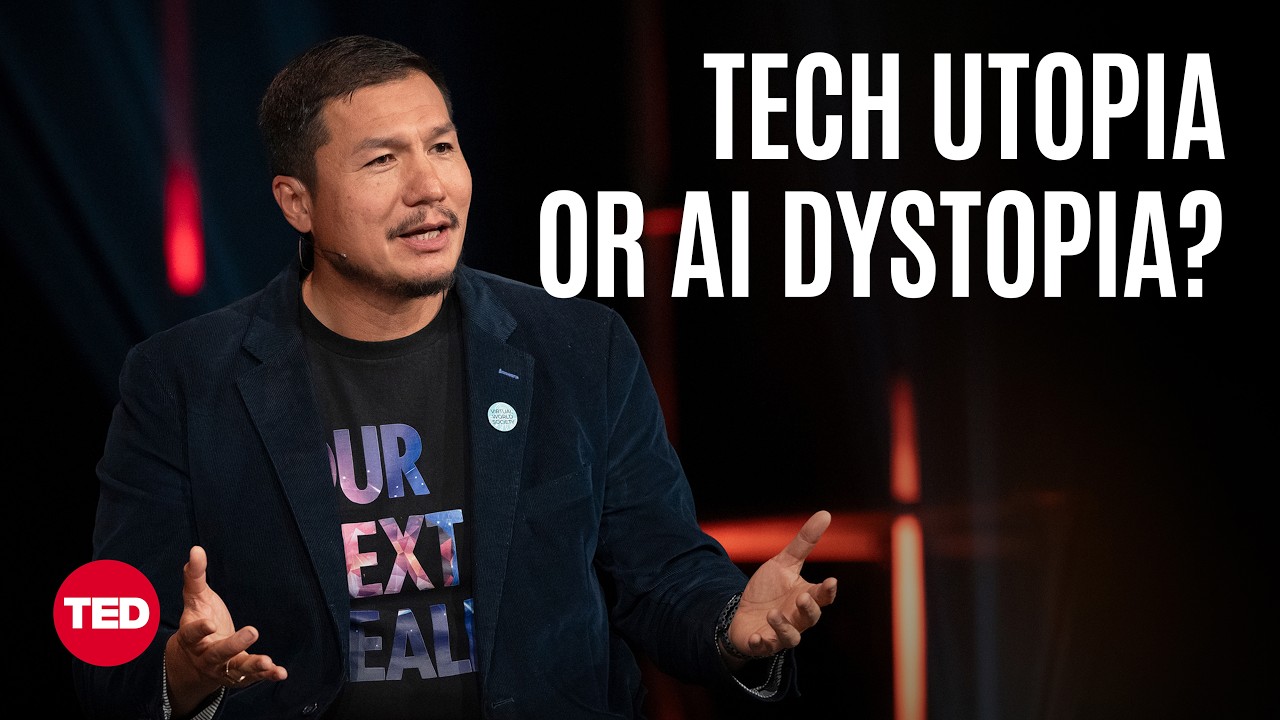
Alvin W. Graylin, an expert with decades of experience in AI, cybersecurity, and related fields, discusses the current pivotal moment in artificial intelligence development. He emphasizes that society stands at a crossroads, facing three possible futures shaped by how we choose to develop and govern AI. The first is a scenario where a few powerful labs and corporations dominate, leading to extreme wealth inequality—a future reminiscent of the film “Elysium.” The second is a “Mad Max” scenario, where international competition over AI escalates into conflict and possibly war. The third, more hopeful path is the “Star Trek” future, where technology is shared globally for the benefit of all humanity.
Graylin challenges the prevailing narrative that rapid AI development is necessary to outpace rival nations, particularly China. He argues that this mindset is driven by profit motives and the desire for dominance, rather than genuine concern for global well-being. He points out that the rhetoric of an AI arms race is used to justify deregulation and massive investment, but ultimately serves the interests of a few at the expense of many. Instead, he advocates for a collaborative approach that prioritizes the collective good over national or corporate interests.
To achieve the best possible outcome, Graylin proposes a three-part plan. First, he suggests creating a global AI research institution, similar to CERN or the International Space Station, where talent and resources from around the world are pooled. This would prevent duplication of effort and ensure that breakthroughs benefit everyone, not just a select few. Second, he recommends combining data from diverse cultures and countries to reduce bias in AI systems and ensure that they serve the needs of all people, rather than reinforcing existing inequalities.
The third component of Graylin’s plan is a “GI Bill for the AI age.” Drawing inspiration from the post-World War II American policy that provided education and support to returning soldiers, he proposes large-scale investment in reskilling and supporting workers displaced by AI. With the potential for hundreds of millions, or even billions, of jobs to be affected globally, he stresses the importance of proactive measures to prevent social and economic upheaval. This approach, he argues, could create a new era of prosperity and stability, much like the original GI Bill did for the United States.
Finally, Graylin calls on individuals and business leaders to adopt a mindset of collaboration and responsibility. He urges companies to integrate AI in ways that enhance efficiency without simply replacing workers, such as by offering shorter workweeks or retraining opportunities. He also encourages everyone to engage directly with AI technologies to better understand their capabilities and implications. By making conscious choices now, he believes society can steer toward a future where AI serves humanity as a whole, rather than deepening divisions or fueling conflict.