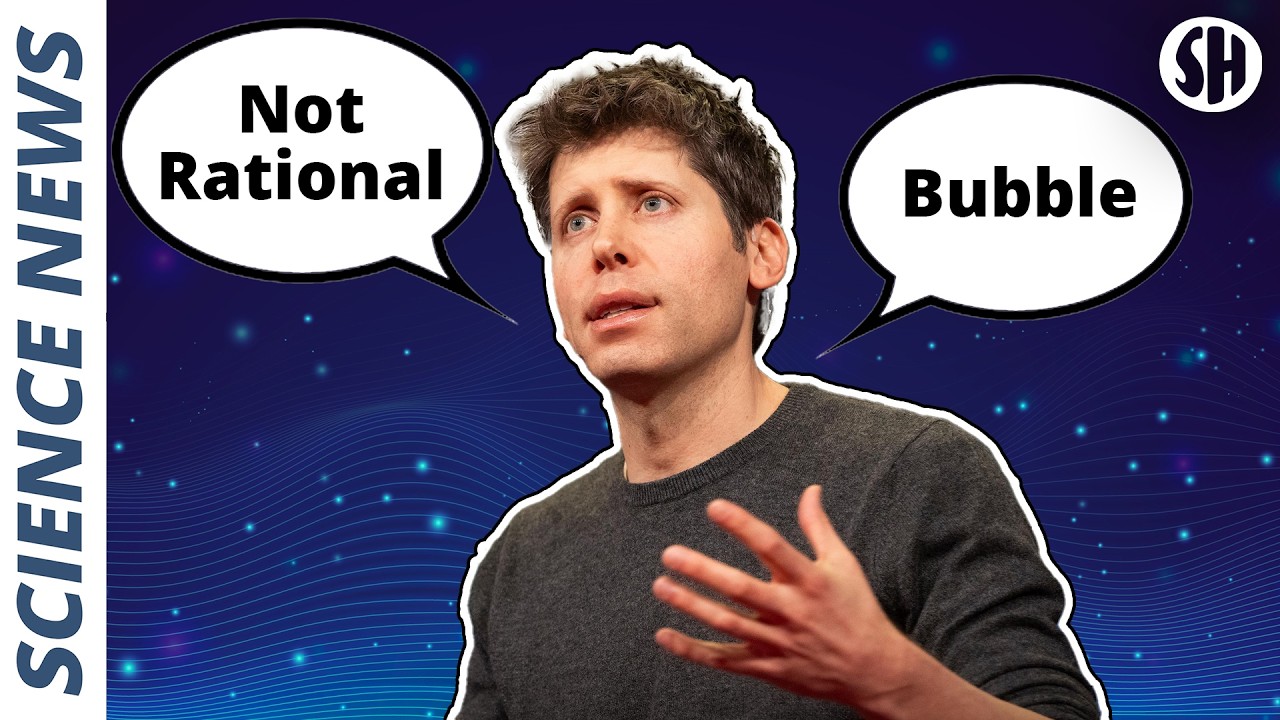
The video discusses the signs indicating that the current artificial intelligence (AI) bubble may be bursting, despite long-term optimism about AI’s potential. The first sign is that many companies are realizing their AI investments, particularly in large language models, are not yielding the expected returns. Reports from the US Census Bureau, MIT’s project NAND, McKinsey, and Gartner all highlight declining AI adoption, lack of measurable ROI, and a general move past the peak of AI hype into a phase of disillusionment.
The second sign focuses on the limitations of AI in coding, which is often touted as one of the best use cases for AI today. Studies, including recent research from Meta, show that while AI can generate code quickly, it also produces many errors and security vulnerabilities, ultimately slowing down developers rather than speeding them up. This has led to a new niche of software engineers specializing in cleaning up AI-generated code, indicating that the technology is not yet mature enough to meet expectations.
The third omen is the anticipated slowdown in AI investments by major tech companies like Google, Meta, and Amazon. These firms have heavily invested in AI, but reports from Goldman Sachs suggest that this level of investment is unsustainable and will likely decrease soon. This reduction in funding is expected to dampen overall market optimism about AI and could negatively impact stock prices, signaling a correction in the AI investment frenzy.
The fourth sign is the growing public acknowledgment of an AI bubble and a retreat by some investors. OpenAI’s CEO Sam Altman has admitted that the market is overexcited about AI, and some investors are already pulling back. Notably, former economist Martin Fimoski has removed AI investments from his pension fund, citing widespread misunderstanding of AI’s real capabilities among business leaders and inflated expectations reminiscent of past bubbles. This skepticism is more pronounced in private markets than among large public tech companies.
Finally, the video highlights physical constraints as a fifth warning sign, specifically data center and energy supply shortages. Goldman Sachs reports record-low data center vacancy rates and delayed power infrastructure projects, which will increase costs for AI model training. This could limit access to AI advancements for newcomers and slow overall progress. Despite these challenges, the presenter remains hopeful that these obstacles are temporary and that generative AI represents just the beginning of a longer AI evolution.