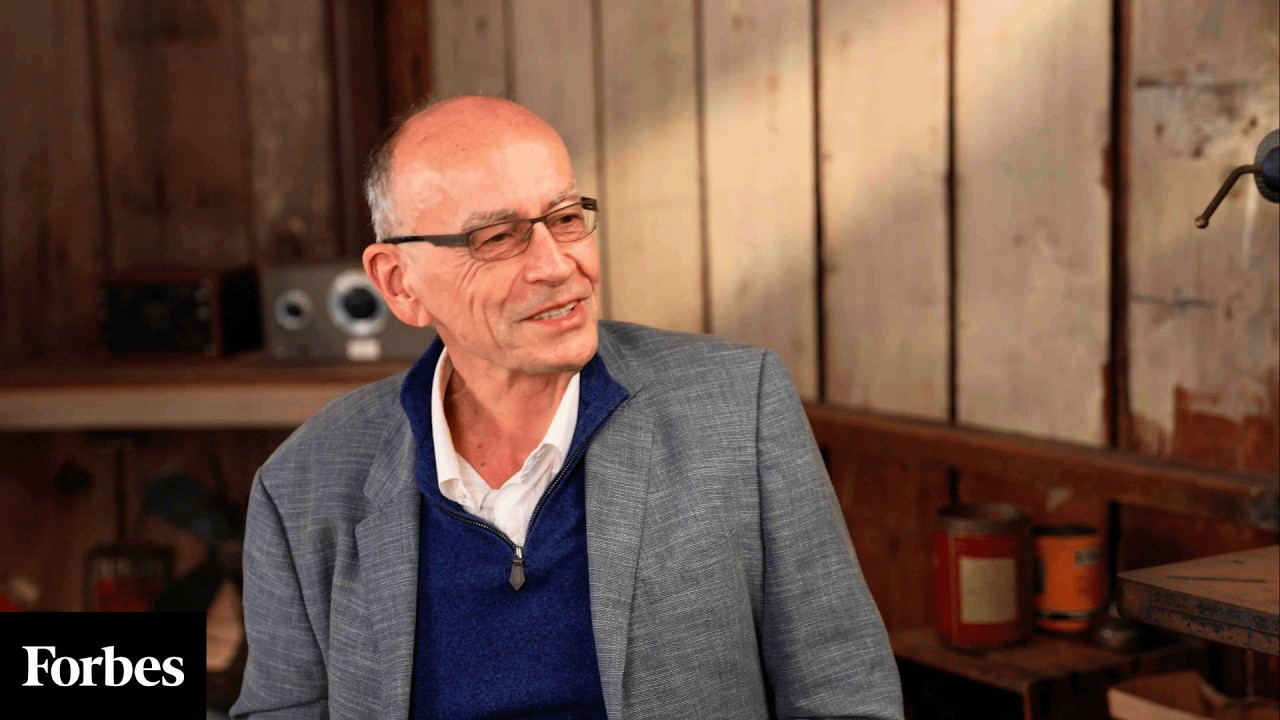
Thomas, a Nobel Laureate and neuroscientist, discusses his research on synaptic transmission’s role in neurological diseases and emphasizes the gradual nature of scientific discovery driven by curiosity and perseverance. He highlights the transformative potential of technologies like AI in biology, while cautioning about data quality issues, and encourages young scientists to pursue ambitious yet realistic goals to advance treatments for currently incurable diseases.
The interview features Thomas, a German-born physician and scientist who has spent over 40 years in the United States, currently a faculty member at Stanford University and an investigator at the Howard Hughes Medical Institute. Initially aspiring to be a classical musician, he shifted to medicine and then to scientific research upon realizing the limitations of clinical practice in addressing many diseases. His research has primarily focused on synaptic transmission—the process by which neurons communicate in the brain—which is fundamental to brain function and implicated in various neurological diseases such as schizophrenia and Alzheimer’s disease.
Thomas explains that synaptic transmission abnormalities manifest differently across diseases. In schizophrenia, certain brain regions may have inappropriate neuronal communication, while in Alzheimer’s, synaptic transmission is lost, leading to memory and cognitive decline. His long-term goal is to deepen understanding of these mechanisms to develop therapies that can restore normal brain function. He shares that interactions with patients and families affected by neurodevelopmental disorders motivate his work, although scientific progress is incremental and often unpredictable.
Reflecting on his Nobel Prize-winning work, Thomas emphasizes that scientific discovery is a gradual process involving curiosity, experimentation, and sometimes failure. He views the prize as recognition of important contributions but acknowledges many others also deserve such honors. As an immigrant, he defines the American Dream as the freedom of speech and action within the law, merit-based reward, and societal support for the less fortunate. However, he expresses concern about current challenges such as restrictions on free speech and immigration policies that hinder scientific innovation and international collaboration.
On the topic of technology, Thomas is excited about the ongoing revolution in biology driven by advances including artificial intelligence (AI), CRISPR gene editing, and cryo-electron microscopy. He notes that while AI is a powerful tool, its effectiveness depends on high-quality, standardized data, which is often lacking in scientific research. He praises DeepMind’s AlphaFold as a successful example of AI application in biology but warns against superficial “AI washing” by companies. A major future challenge is developing AI methods that can assess data quality to avoid misleading conclusions.
Finally, Thomas offers advice to young scientists and entrepreneurs: choose mentors who provide honest feedback and select ambitious yet feasible research goals. He hopes the next major breakthroughs will come from applying new technologies to tackle currently incurable diseases like Alzheimer’s and certain cancers. Overall, he remains optimistic about the potential of technological innovation to transform medicine and improve human health.