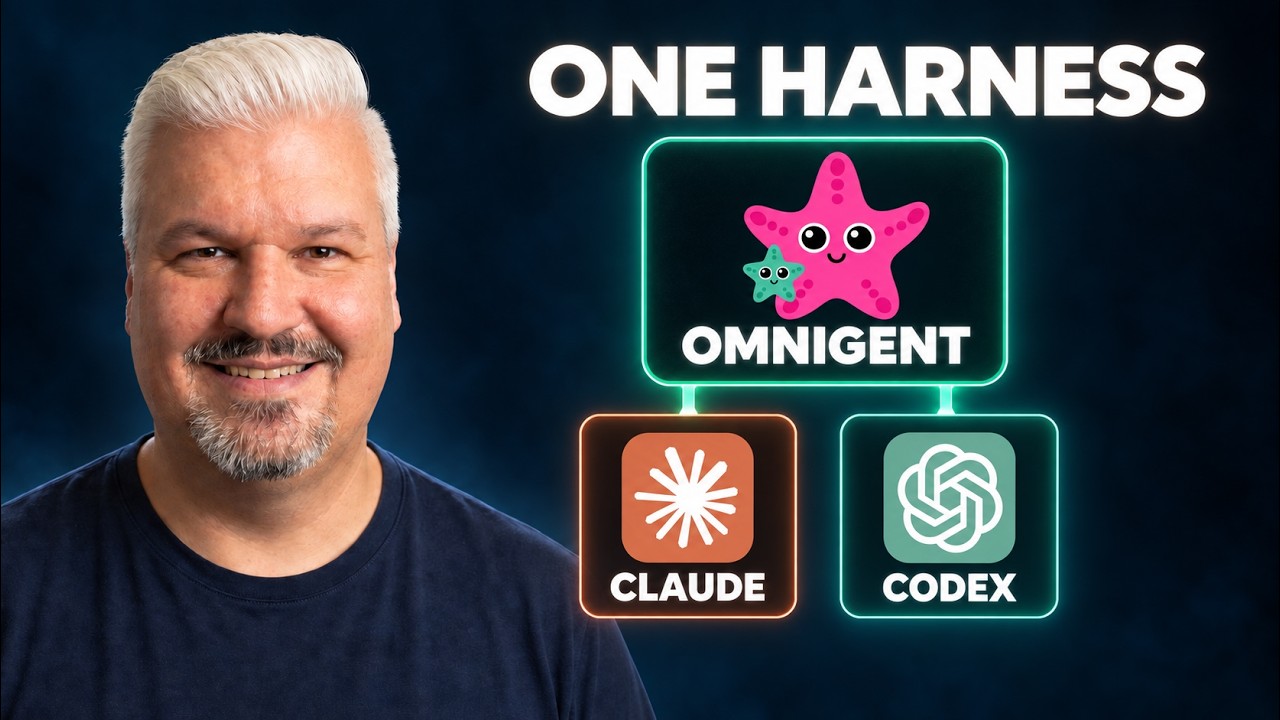
Databricks has developed Omnigent, an open-source layer that integrates multiple coding agents like Claude, Codex, and others into a single unified system. This innovation allows users to have different AI agents from various providers review code collaboratively and even debate each other, streamlining workflows that were previously cumbersome due to switching between different applications or manually transferring information. Omnigent supports sharing conversation histories, rules, and security policies across agents, making it a powerful tool for multi-agent coding environments. The system was created by Mathesa Haria, CTO and co-founder of Databricks, known for starting Apache Spark.
Getting started with Omnigent is straightforward, requiring just a simple setup command, with Windows users needing to use WSL. Once installed, users can launch Omnigent in a browser interface that resembles familiar chat applications, where they can manage sessions, projects, and select from configured coding models or built-in agents like Polly and Debi. Polly distributes tasks among agents, while Debi facilitates debates between them. Users can also create custom agents, set automation schedules for recurring tasks, and customize the interface appearance, making Omnigent highly flexible and user-friendly.
A standout feature of Omnigent is its policy system designed to enhance security by preventing data leaks through what is called the “lethal trifecta”: the dangerous combination of an agent reading private data, reading external content, and sending data out. Policies can block risky actions, such as denying access to Gmail or preventing the sharing of personally identifiable information, thereby protecting sensitive data while allowing agents to function effectively. This nuanced approach to security addresses vulnerabilities that traditional permission checks might miss.
The video demonstrates how Omnigent can run coding agents like Claude Code within its harness, synchronizing terminal and UI interactions seamlessly. Users can initiate planning sessions, review plans collaboratively using multiple agents, and fork conversations to different agents for implementation. The multi-agent review process, especially with Debi, allows agents from different providers to critique and improve plans collectively, consolidating feedback into a refined output. This collaborative workflow significantly reduces the manual effort typically involved in coordinating multiple AI models.
Finally, Omnigent’s orchestration capabilities shine with Polly, which breaks down tasks and delegates them to various sub-agents based on their strengths, automating complex workflows such as coding, testing, and debugging. The system even supports browser automation for testing and screenshots, ensuring the quality of the output. The video concludes with a demonstration of a working 3D Frogger game created through this multi-agent collaboration, highlighting Omnigent’s potential to revolutionize AI-assisted coding by making multi-agent workflows seamless, efficient, and secure.