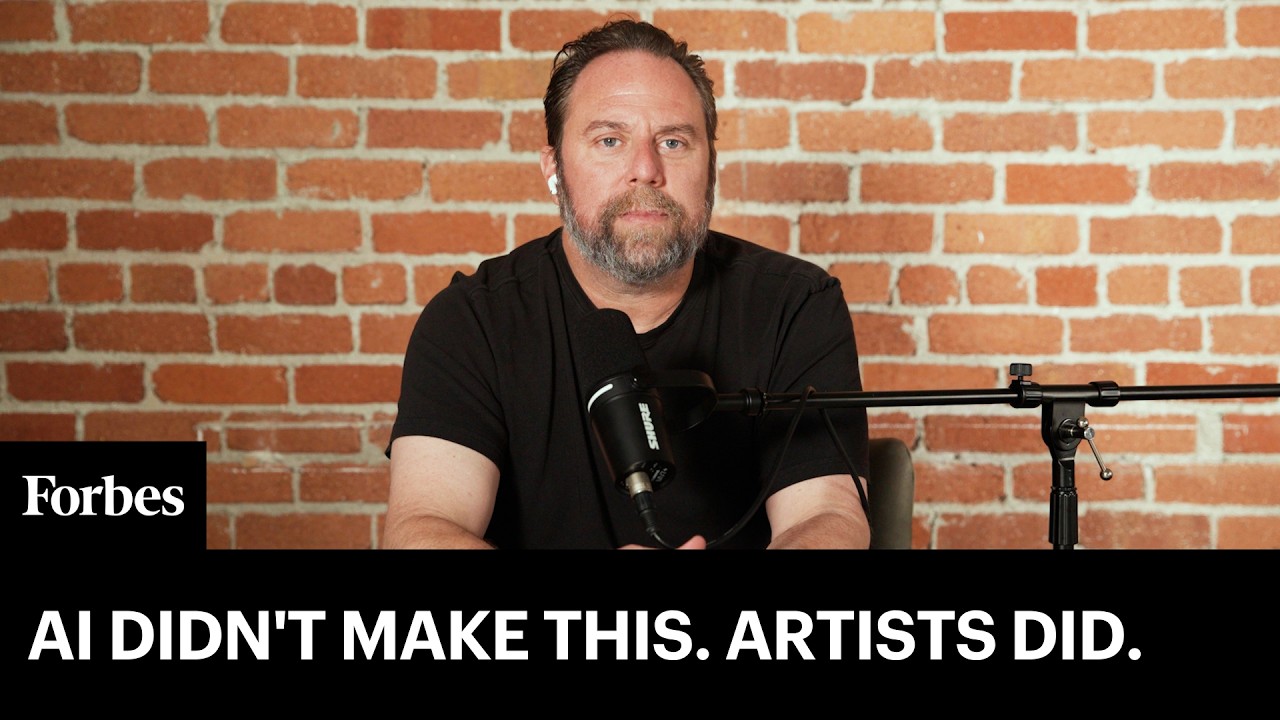
The video features an in-depth conversation with Jason Zada, founder and chief creative officer of Secret Level, about Coca-Cola’s innovative use of AI in their holiday advertising campaigns. Jason emphasizes that creating AI-driven content is far from simply “pushing a button”; it requires significant human effort, craftsmanship, and collaboration among large teams to achieve the detailed, warm, and engaging animations seen in the ads. He highlights that AI currently has a PR problem, with many people misunderstanding the technology and its creative demands, often assuming it replaces human jobs or is a lazy shortcut, which Jason disputes.
Jason recounts how Coca-Cola approached Secret Level with the brief to reimagine their classic “Holidays Are Coming” commercial using AI, marking a milestone moment in advertising. The project was both exciting and challenging, with rapid technological advancements during production leading to multiple iterations of the ad within a short timeframe. The speed and flexibility AI offers allowed the creative team to experiment extensively, blending virtual characters with real people to find the right tone and look, ultimately producing a piece that paid homage to the original while feeling fresh and contemporary.
Despite positive testing results, the ads faced backlash upon release, primarily due to public misconceptions about AI’s role and impact. Many viewers expressed concerns about AI taking jobs or ethical issues, often unrelated to the actual content of the ads. Jason notes that if viewers were unaware the ads were AI-generated, their reactions would likely be more favorable. He also observes that the negative response was more pronounced in the U.S. compared to other regions like Asia, where AI adoption is more widely accepted. Coca-Cola’s decision to stand firmly behind the campaign despite criticism is praised as a courageous and forward-thinking move that sets a precedent for other brands.
The discussion also touches on the evolving nature of AI technology, which is rapidly improving in realism and capability. Jason compares the current state of AI animation to earlier CGI milestones like “Toy Story,” anticipating a future where AI-generated content will be indistinguishable from traditional animation or live-action footage. He stresses the importance of human artistry in refining AI outputs, noting that AI can get projects most of the way there, but skilled creators are essential to perfecting the final product. This blend of technology and craftsmanship is key to advancing the industry.
Finally, Jason offers advice to marketers, encouraging them to embrace AI not as a cost-cutting tool but as a means to produce more content and engage audiences more deeply. He advocates shifting from traditional advertising to entertainment-focused marketing that builds fandom and emotional connections with consumers. By leveraging AI’s speed and creative potential, brands can move at the “speed of culture,” creating relevant, memorable experiences that resonate in today’s fast-paced media landscape. Coca-Cola’s AI holiday ads exemplify this new frontier, blending nostalgia, innovation, and artistry to connect with audiences in meaningful ways.