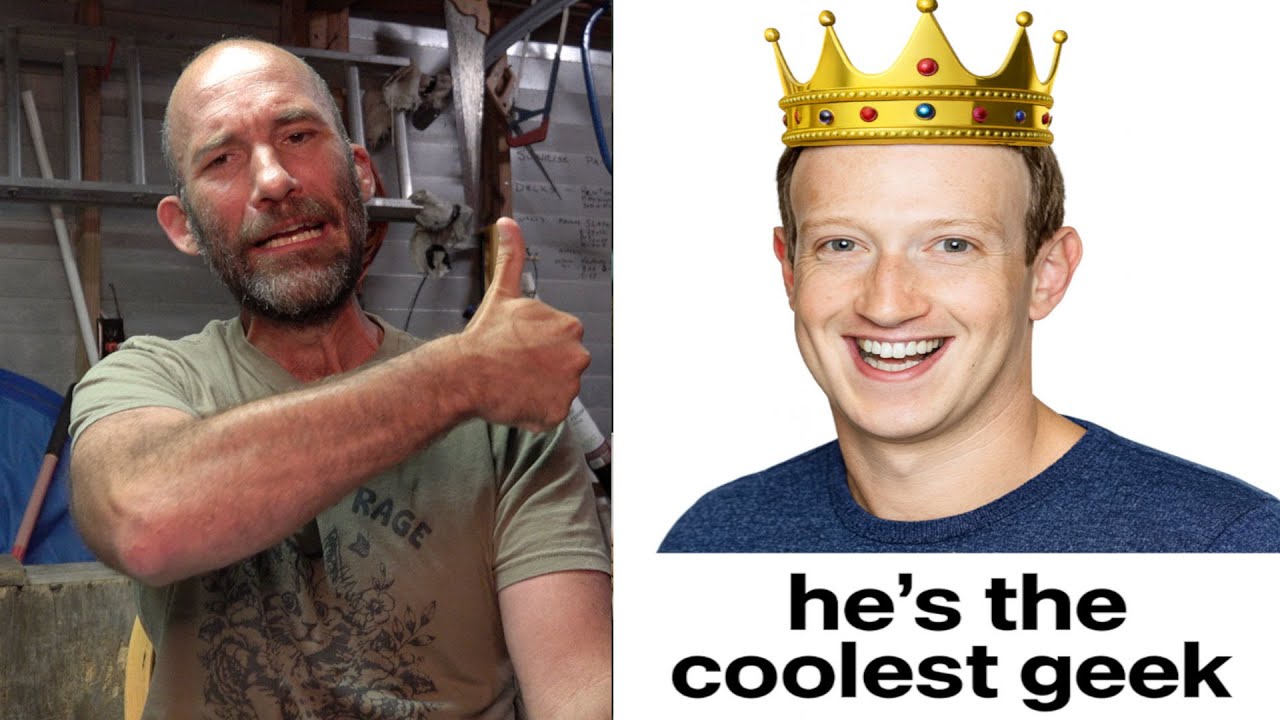
Eli the Computer Guy praises Meta’s decision to allow AI tools during job interviews as a progressive move that aligns hiring practices with real-world tech workflows, contrasting it with outdated bans in education and other companies. He argues that embracing AI in recruitment and work is essential for innovation and reflects the evolving skills needed in the industry, urging organizations to update their policies accordingly.
In this video, Eli the Computer Guy discusses Meta’s recent decision to allow candidates to use AI tools during job interviews, highlighting it as a positive and forward-thinking move in the tech industry. He contrasts this with the contradictory stance seen in education and other companies, where students and candidates are often punished or banned from using AI despite its growing importance in the workplace. Eli emphasizes that since AI is becoming integral to daily work, especially in coding and development, it makes sense to assess candidates in an environment that reflects the actual tools they will use on the job.
Eli shares an example of a Columbia University student who developed an AI-powered app to assist with real-time answers during Zoom interviews, which helped him secure multiple internships. However, the student faced backlash and had his internships revoked, illustrating the disconnect between educational institutions’ policies and the realities of the tech industry. Eli criticizes this approach, arguing that punishing innovation and the use of AI tools is counterproductive and out of touch with how technology professionals solve problems.
The video also touches on the broader industry trend where companies like Microsoft and Meta are increasingly integrating AI into their workflows, with some even mandating its use among employees. Eli points out the irony of companies forcing AI adoption internally while banning it during interviews. He stresses the importance of evaluating candidates based on how they use AI tools, including their ability to verify and style AI-generated code, rather than ignoring these skills during hiring.
Eli reflects on generational differences in adapting to AI, noting that younger generations like Gen Z are more comfortable with these technologies, while older generations and institutions often lag behind. He argues that companies and educational programs need to update their processes to align with the AI-driven future, rather than resisting change. He likens AI tools to calculators—once introduced, they become indispensable and should be embraced rather than feared or banned.
Finally, Eli invites viewers to consider their own organizations’ stance on AI in hiring and education, encouraging open discussion about the integration of AI into interview processes. He promotes upcoming live sessions on silicondojo.com featuring industry experts discussing AI integration and models, underscoring the ongoing evolution of AI in tech. Overall, the video advocates for a pragmatic and modern approach to AI in recruitment and work environments, praising Meta’s initiative as a step in the right direction.