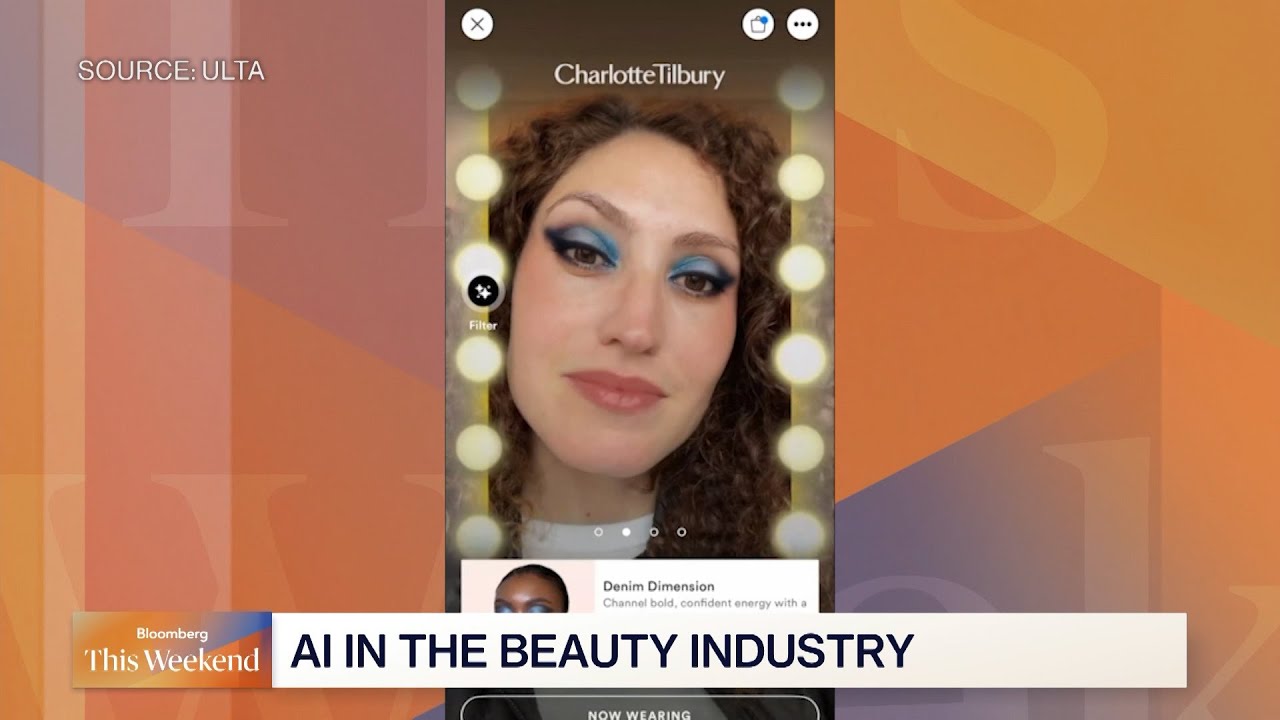
The beauty industry is rapidly integrating AI technologies like virtual try-ons, personalized skincare diagnostics, and AI-driven product recommendations to enhance customer experiences and meet evolving consumer demands, with the market expected to surpass $13 billion by 2030. Leading brands such as Ulta Beauty, Sephora, and Estee Lauder are leveraging AI tools and partnerships to personalize shopping, optimize operations, and focus on people-centric solutions that tailor offerings to individual preferences throughout the consumer journey.
The beauty industry is undergoing a significant transformation driven by artificial intelligence (AI), with personalization, virtual try-ons, and AI-powered skin diagnostics becoming integral to the shopping experience. Market research indicates that the global AI beauty and cosmetics market is expected to exceed $13 billion by 2030. Beauty companies are leveraging AI to adapt to changing consumer behaviors, with AI-driven shopping experiences growing rapidly. For example, Ulta Beauty has seen a 115% increase in AI-driven shopping in 2025, highlighting the growing consumer adoption of these technologies.
Several leading beauty brands are implementing innovative AI tools to enhance customer engagement. Ulta Beauty offers a virtual try-on tool called Glam Lab, allowing customers to upload photos and see how products look on them. Sephora uses a skin scan device in stores that captures facial scans to recommend the best skincare products, with over 180,000 scans conducted monthly. Sephora also provides a digital version where users upload selfies to receive personalized skincare routines and product recommendations, supported by an AI beauty chat feature.
Other companies are using AI to personalize product discovery and recommendations. Elf Beauty’s Color Elf analysis helps users find makeup shades that complement their features and suggests seasonal color palettes. Jo Malone London employs an AI chatbot that interprets customer descriptions of scents, matching them with fragrance options based on a detailed sensory taxonomy. This conversational AI approach enhances the customer experience by mimicking the expertise of in-store beauty advisors, leading to increased purchase sizes.
Partnerships between beauty brands and technology companies are further advancing AI integration. Sephora collaborates with OpenAI to launch a chatbot within its app that offers product advice and loyalty account integration. Estee Lauder partners with Shopify to enable AI-driven product searches, analyses, and seamless checkout experiences. Beyond customer-facing applications, AI is also improving internal operations, with companies like Health Beauty using AI chatbots to automate routine tasks such as content creation, while Ulta employs AI to optimize supply chain efficiency and ensure timely product availability.
Looking ahead, beauty industry leaders emphasize a people-centric approach to AI adoption, focusing on solving consumer problems and enhancing personalized experiences rather than chasing every new technology trend. Investments in modern data platforms and guest-facing AI tools have positioned companies to meet evolving consumer expectations effectively. The consensus is that success in AI-driven beauty retail hinges on being present where consumers are and tailoring offerings to their individual preferences, ensuring AI serves as a helpful companion throughout the consumer journey.