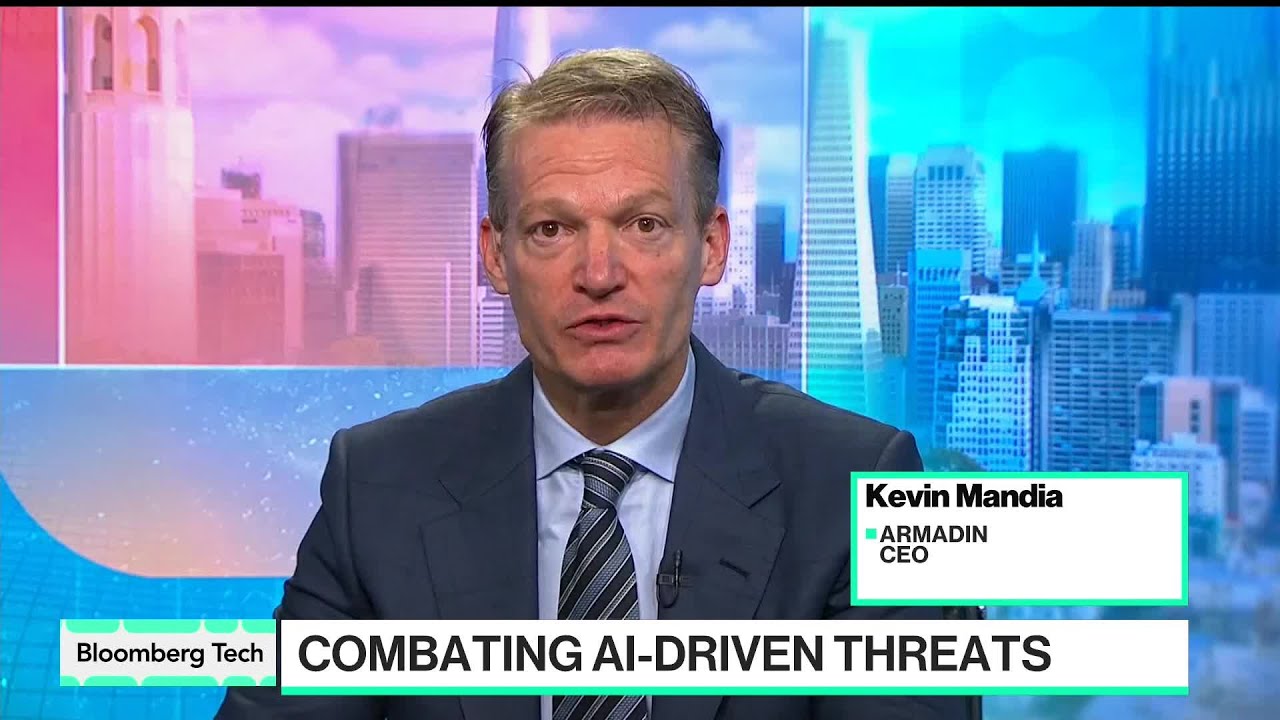
The discussion begins by addressing a recent vulnerability caused primarily by user error rather than a direct attack. The expert emphasizes that while losing source code can damage a company’s reputation, it is less severe than losing customer data or credentials. He highlights the importance of agents in cybersecurity, which have complete recall of data and their intended purposes, but acknowledges that human involvement in processes can introduce weaknesses that degrade over time. Despite the reputational damage, the exposure of source code can lead to a faster release cycle as many more people scrutinize the code for vulnerabilities.
The expert, a seasoned cybersecurity leader with experience at Mandiant and FireEye, reflects on the current era where AI agents are becoming ubiquitous, both for legitimate users and potentially malicious actors. He notes that this technological shift represents an inflection point in cybersecurity. Historically, new technologies have often been exploited by bad actors faster than defenders can adapt, and AI is no exception. The internet itself has enabled crimes and espionage to be conducted remotely, and AI agents will accelerate this trend by operating at computational speeds.
Looking ahead, the expert predicts that within two years, AI agents will dominate offensive cyber operations due to their ability to think, learn, and recall information instantly. This will dramatically increase the speed of cyberattacks, compressing vulnerability discovery from days or minutes down to seconds. Consequently, defensive measures will need to evolve to become fully autonomous, as human response times will no longer be sufficient to counter these rapid threats. The cyber domain will become even more contested, with attackers leveraging AI to outpace traditional defenses.
In response to these challenges, the expert explains how his company, Armadin, is adapting by focusing entirely on offensive strategies to train defensive AI agents. Their approach involves creating agents that can respond autonomously and at computational speed to emerging threats. This proactive stance aims to ensure that defenders can identify and neutralize new and novel cyber threats before malicious actors exploit them, effectively turning the advantage back to the good guys.
Overall, the conversation underscores the transformative impact of AI on cybersecurity, highlighting both the increased risks and the necessary evolution of defense strategies. The expert stresses that while vulnerabilities and reputational risks remain, the rapid pace of AI-driven attacks demands a shift toward autonomous, agent-based defense systems. This new paradigm will define the future of cybersecurity, requiring continuous innovation and vigilance to stay ahead of increasingly sophisticated adversaries.