Certainly! Here’s a five-paragraph summary of the podcast episode:
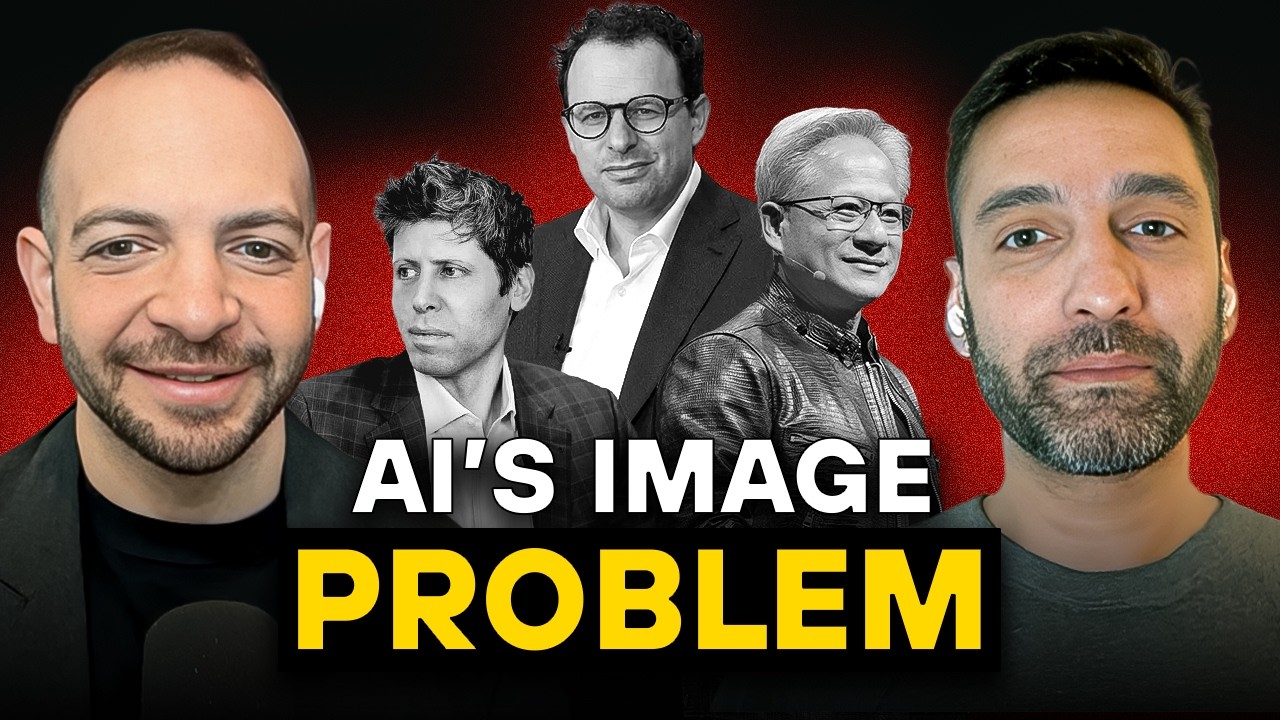
The episode opens with a discussion about the increasingly negative public sentiment toward artificial intelligence (AI). The hosts, joined by Ranjan Roy, explore why the “AI vibes” have soured, noting a shift from excitement about breakthroughs to widespread skepticism and fear. They highlight a recent controversy involving OpenAI’s Sam Altman, whose comments about AI as a utility sparked backlash and accusations of profiteering and exploitation. The hosts argue that much of the negativity stems from unease about AI’s rapid progress, concerns about job security, and distrust of tech industry figureheads.
The conversation then delves into polling data that underscores the depth of the backlash. Surveys show that AI is viewed less favorably than many political figures and institutions, with a majority of Americans expecting AI’s societal impact to be negative. The hosts point out that people who use AI tools regularly are less negative, suggesting that direct experience can mitigate some fears. However, they also note that the industry’s public relations problem is exacerbated by the personalities leading it and the way AI is discussed in the media.
Attention shifts to the upcoming Nvidia GTC conference, where CEO Jensen Huang is expected to address AI’s perception problem. The hosts analyze Huang’s recent blog post, which frames AI as a driver of economic growth and job creation, emphasizing the need for skilled labor in building AI infrastructure. They suggest that Huang, with his relatable persona, could be an effective spokesperson to improve AI’s image, especially if he can communicate how AI can enhance work-life balance and create new opportunities.
The episode also covers recent technical and security challenges faced by major companies. Amazon has experienced outages linked to hasty adoption of AI coding tools, highlighting the risks of top-down mandates without adequate training or safeguards. Similarly, McKinsey suffered a major security breach when its internal AI chatbot was compromised, exposing sensitive data. These incidents underscore the need for careful, thoughtful integration of AI into business processes, as well as the growing importance of AI-related cybersecurity jobs.
Finally, the hosts discuss Meta’s struggles to keep up in the AI race. Despite heavy investment and high-profile hires, Meta’s latest AI model has been delayed and underperformed compared to competitors like Google and OpenAI. There is speculation about cultural issues and the challenges of transitioning from pre-training to reinforcement learning. The hosts conclude that while Meta’s setbacks are significant, the company’s vast user base and resources mean it could still stage a comeback. They end on a light note, reflecting on the need for better communication and leadership in the AI industry to address public concerns and realize AI’s potential benefits.