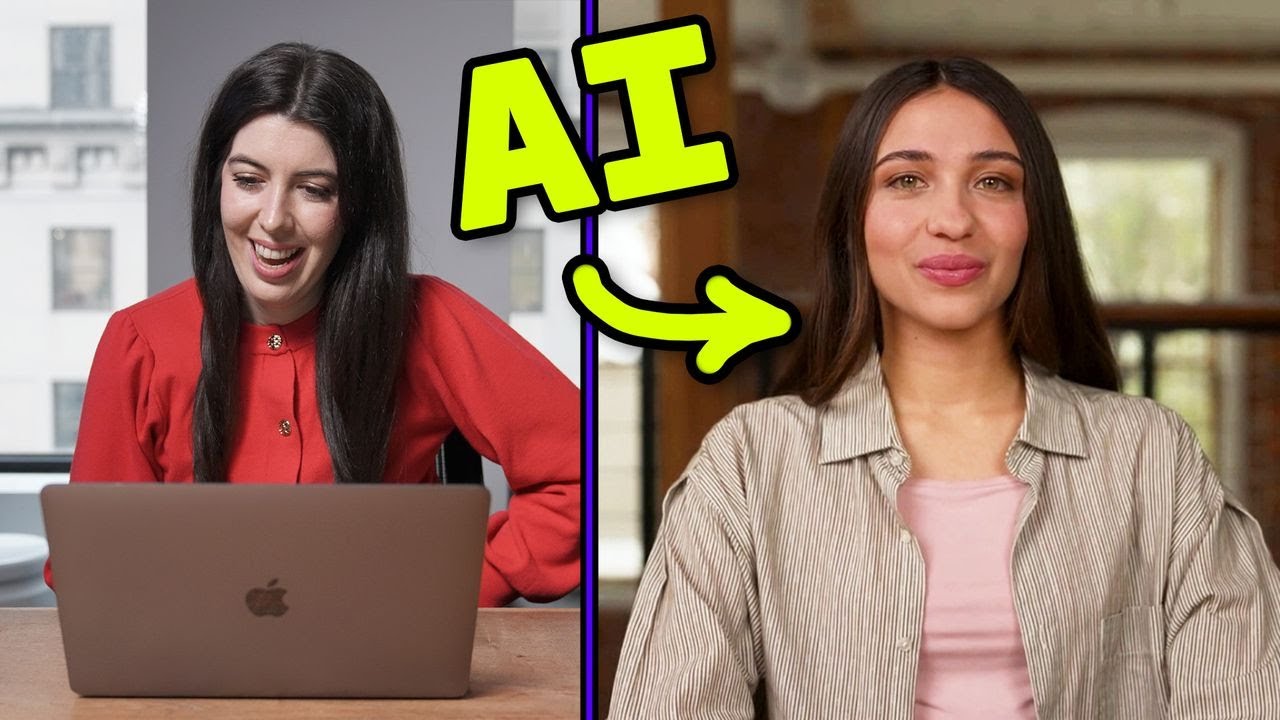
The video explores the growing trend of companies using AI bots to conduct initial job interviews, a process that is becoming increasingly common among major employers like Meta, Netflix, Mastercard, and Domino’s. The main selling point of these AI interviewers is their ability to screen a much larger pool of applicants than human recruiters could manage, theoretically giving more candidates a chance to be considered. Proponents also claim that AI interviews reduce bias and prejudice, since bots are emotionless and consistent in their questioning.
The host tries out three different AI interview platforms: Humanly, CodeSignal, and Eightfold. Humanly features a realistic AI avatar that asks questions and encourages longer responses, but its appearance is somewhat unsettling and distracting. CodeSignal uses a static photo instead of a moving avatar and focuses on the content of the answers rather than delivery, making it feel more like a traditional interview. Eightfold, meanwhile, is the most robotic, using a simple pulsating circle instead of an avatar, but is praised for its consistency in questioning and scoring.
Despite the potential benefits, the video raises concerns about the transparency and fairness of these AI systems. The algorithms are often “black boxes,” meaning it’s unclear how they evaluate and rank candidates. This lack of transparency has led to legal challenges, such as a lawsuit against Eightfold demanding more openness about how sensitive applicant data is handled and how scores are determined. The companies claim to conduct regular bias audits and insist that only the content of candidates’ answers is evaluated, but skepticism remains about whether true bias elimination is possible.
The host notes that, in practice, AI interviews can feel impersonal and even more stressful than traditional interviews. Applicants are advised to speak clearly, use relevant keywords and metrics, and ask questions when possible, as the AI systems often rely heavily on keyword matching and structured responses. The process can make candidates feel like just another number in the system, potentially increasing the anxiety and alienation already present in the job search.
Interestingly, the video concludes with the surprising claim from some companies that many candidates actually prefer AI interviews over human ones, though the host expresses doubt about this sentiment. The overall message is one of cautious skepticism: while AI interviews may offer efficiency and consistency, they also introduce new challenges around fairness, transparency, and the human experience of job seeking.