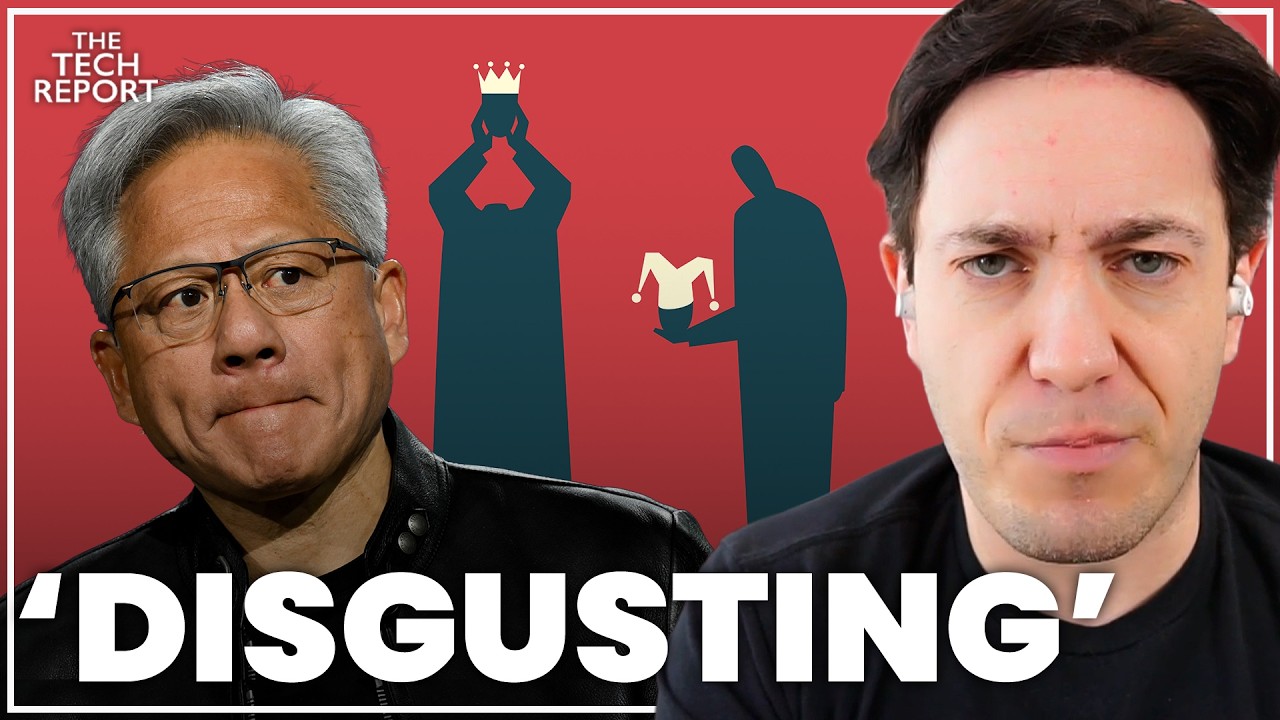
The discussion centers on the controversial reinstatement of Jensen Huang as CEO of Nvidia, highlighting the broader issues of cronyism, corporate governance, and accountability within the AI industry. Huang, despite multiple allegations of misconduct and abusive behavior, was reinstated after intervention from former President Donald Trump, sparking outrage and dividing opinions in the tech community. This event exposed deep-rooted problems in Silicon Valley, where powerful figures often evade consequences, reinforcing a culture where wealth and influence overshadow ethics and accountability. The episode has intensified scrutiny on corporate practices and governance, signaling a shift in public and industry attitudes toward transparency and responsibility.
The conversation also touches on the implications of Huang’s return for the AI sector’s reputation and public trust. The reinstatement, coupled with revelations about Nvidia’s questionable dealings, including alleged chip smuggling to sanctioned nations and internal misconduct, has eroded confidence in AI leadership. This erosion complicates efforts by AI companies to regain public trust and secure a mandate to develop AI responsibly. The narrative underscores a growing skepticism about the industry’s integrity, fueled by high-profile controversies and a perceived lack of genuine accountability among its leaders.
Oracle’s recent claims of being “fully funded” to support its contract with OpenAI are met with skepticism, viewed as a defensive move amid financial uncertainties. The discussion highlights concerns about circular financing and vendor financing arrangements between major tech players like Oracle and Nvidia, suggesting potential financial instability masked by corporate statements. This situation reflects broader anxieties about the sustainability of AI investments and the transparency of financial dealings within the sector, raising questions about the true health of these companies amid aggressive expansion and spending.
Anthropic’s IPO performance is analyzed as a bellwether for the AI market’s health, revealing challenges in maintaining investor confidence. Despite having substantial cash reserves, Anthropic’s stock volatility and the pressure of unlocking large share volumes have dampened enthusiasm. Comparisons with OpenAI’s inflated private valuation suggest difficulties ahead for AI companies seeking public market validation. The discussion points to a potential market correction or “AI bubble burst,” driven by overvaluation, unmet expectations, and the complex financial dynamics underpinning these startups.
Overall, the conversation paints a picture of an AI industry at a crossroads, grappling with ethical lapses, financial opacity, and market skepticism. While the controversies have heightened scrutiny and may eventually lead to reforms, they also expose vulnerabilities that could hinder the sector’s growth and public acceptance. The episode concludes with a cautious outlook, recognizing that while some truths about the industry are becoming mainstream, significant challenges remain in restoring trust and ensuring sustainable development in AI.
Useful Links