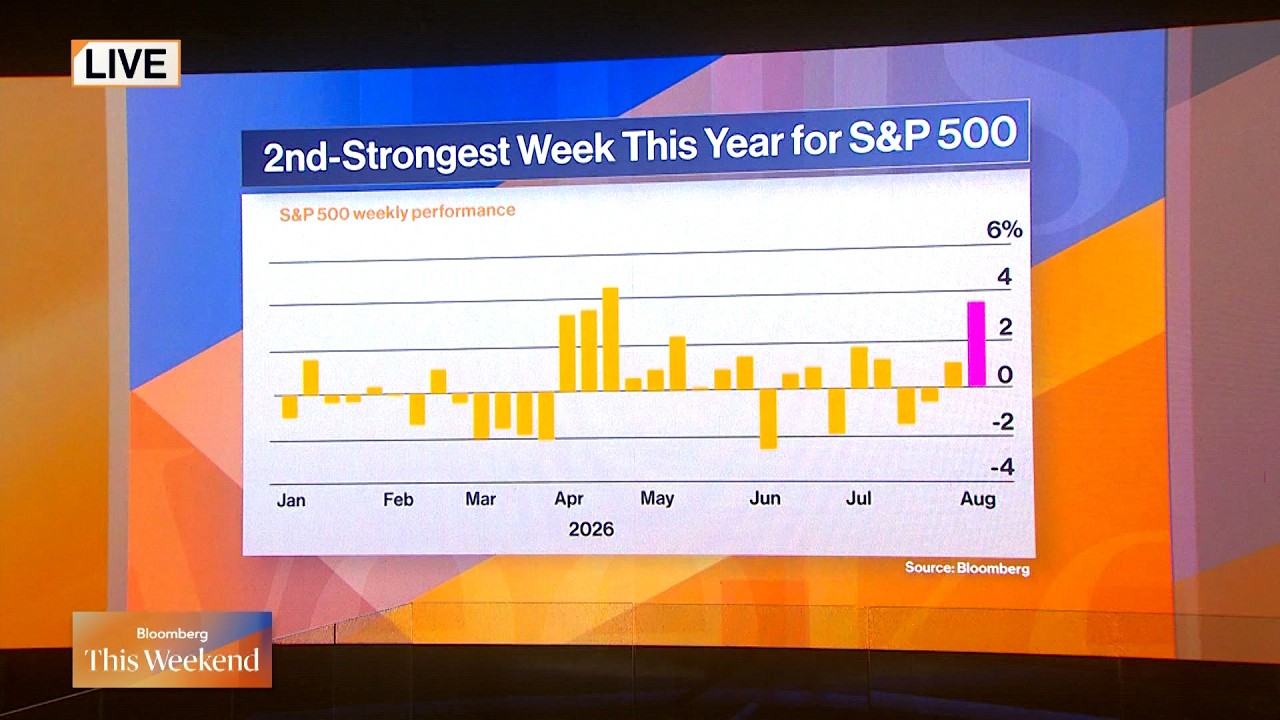
The discussion begins with an analysis of recent US jobs data, highlighting that despite some seasonal fluctuations and a slight miss in expectations, the underlying health of the US economy remains strong. Key sectors such as construction, manufacturing, and healthcare are showing job growth, supported by insights from commercial banking clients who report labor additions rather than reductions. While AI automation is influencing some job dynamics, the overall job market is considered solid.
There is a particular focus on the construction sector, where growth is often associated with AI data centers rather than traditional housing. However, the expert clarifies that the manufacturing and construction build-out extends beyond data centers, including increased production in chemicals, automobiles, and defense-related manufacturing. This reindustrialization trend, coupled with rising defense spending on missiles and munitions, contributes significantly to economic growth and reflects a broader manufacturing resurgence in the US.
Addressing market sentiment, the expert challenges the prevailing bearish outlook on the US economy and markets. Despite concerns about the consumer, the federal budget deficit, and the dollar’s strength, the US economy’s capacity to absorb shocks and reset is underestimated. This resilience underpins a bullish stance on US equities, with the recommendation to lean into market pullbacks as buying opportunities, emphasizing that while challenges exist, the economy’s fundamentals remain robust.
The conversation also touches on the energy sector, particularly the recent rise in US solar stocks following new tariffs and price floors on polysilicon derivatives. Renewables are gaining renewed importance in the context of global energy diversification needs, especially after geopolitical events like the Gulf War. The expert stresses that all energy sources, including renewables and fossil fuels, are critical to meeting current and future power demands, with solar and other renewables becoming increasingly recognized as vital components of the energy mix.
Finally, the discussion turns to artificial intelligence (AI) and its evolving impact on the economy and markets. The expert notes that while the current AI-driven data center build-out will taper off by 2027-2028, other sectors such as transportation, the energy grid, and defense will drive future growth. AI adoption is expected to enhance productivity and transform the workforce by creating higher-paying jobs through upskilling, despite some job displacement. Overall, AI is seen as being in its early stages, with significant long-term potential to reshape the economy and support continued optimism for US equities.